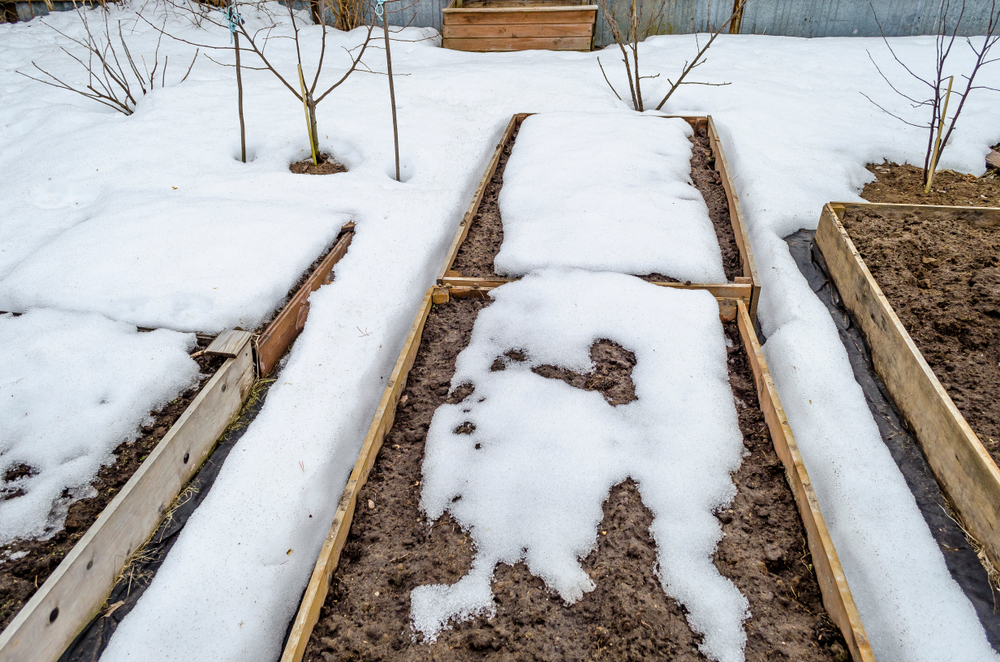
A cold snap hits, the garden beds go quiet, and most people assume the soil is ready for hibernation. But winter is actually the perfect time to supercharge your soil so it wakes up in spring richer, fluffier, and more fertile than ever.
With the right ingredients—leaves, compost, kitchen scraps, mulch, and a few clever tricks—you can turn winter into your garden’s secret growth season. Think of it as giving your soil a cozy, nutrient-packed blanket that works nonstop while you sip hot cocoa indoors. It’s surprisingly easy, incredibly effective, and so satisfying you’ll wonder why everyone doesn’t do it.
1. Use Fallen Leaves As A Natural Fertility Booster
Leaves are basically free bags of slow-release fertilizer waiting to be used. As they break down over winter, they add organic matter that transforms compacted soil into something far more workable. They also feed microbes, worms, and beneficial fungi—your soil’s tiny workforce. Instead of tossing leaves out, shred them and layer them directly onto your garden beds. By spring, most of the leaves will have vanished into rich, dark crumbly goodness.

2. Create A Winter Compost Pile Directly In The Garden
Instead of keeping compost in a separate bin, winter is an excellent time to compost in place. This method involves adding vegetable scraps, coffee grounds, and other compostables straight into the beds. Soil microbes stay active even in cold temperatures, slowly breaking down the materials. Covering the scraps with soil or mulch prevents animals from digging and keeps the process tidy. Come spring, you’ll find the remnants transformed into nutrient-rich humus with zero extra effort.
3. Try The Classic Lasagna-Garden Layering Method
Winter is ideal for building up layers of organic matter like a nutrient cake. You start with cardboard or newspaper, then add leaves, compost, mulch, straw, and more. Each layer slowly decomposes, creating fluffier, loamier soil without digging. This method smothers weeds while feeding beneficial organisms. By the time warm weather returns, your garden bed will have transformed into a soft, rich planting paradise.
4. Spread A Generous Blanket Of Compost
A thick compost layer gives your soil a powerful nutrient infusion during winter’s slow months. Compost protects the surface from erosion, keeps microbes insulated, and invites worms to pull nutrients deeper. Even if your compost isn’t fully finished, winter will help complete the process. As rain and snow melt through the layer, nutrients trickle down where they’re most needed. When spring arrives, you’ll have soil that’s practically begging you to plant in it.
5. Add A Layer Of Straw Or Hay To Protect Soil Structure
Straw is excellent for keeping soil from becoming compacted under winter snow and rain. It acts as insulation, helping soil organisms remain active longer into the cold season. As it decomposes, straw contributes organic matter that improves water retention and aeration. It also helps prevent weed seeds from germinating. A simple, affordable layer can make a dramatic difference in soil texture by spring.
6. Bury Kitchen Scraps In Trenches For Slow-Release Nutrition
Trench composting is one of the easiest winter soil-building strategies. Dig a trench, toss in vegetable scraps, cover it up, and forget about it. Earthworms adore these nutrient-rich pockets and will flock to them. Over the winter, they’ll drag the nutrients through the soil and break the scraps down. By the time planting season rolls around, your garden will have hidden reserves of fertility right where your plants need them most.
7. Grow A Winter Cover Crop For Living Soil Protection
Even if it’s cold, many cover crops thrive and protect your soil. Rye, clover, and winter peas anchor nutrients, prevent erosion, and add nitrogen. Their roots create structure, improving drainage and aeration. When spring arrives, you can chop and drop them to feed the soil. This creates a living compost layer that boosts fertility for months.
8. Use Wood Chips To Build Fungal Networks
Wood chips take longer to break down than leaves or compost, making them perfect for slow-release soil improvement over winter. They support beneficial fungi, which help break down tough organic matter and transport nutrients. A layer of chips can protect soil from extreme temperature swings. Over time, they transform dense soil into a lighter, more sponge-like material. The result is a healthier, more balanced ecosystem ready for spring planting.
9. Add A Dusting Of Biochar For Long-Term Soil Health
Biochar is charcoal treated to hold nutrients and support microbial life. Adding it before winter gives microbes months to colonize its porous structure. When used with compost or leaf mulch, it helps lock in nutrients so they don’t wash away. The combination improves soil fertility for years—not just one season. Winter is the perfect time to incorporate it because moisture helps activate it.
10. Mix In A Winter Soil Amendment Like Alfalfa Meal
Certain organic amendments break down beautifully over winter. Alfalfa meal, kelp meal, and rock minerals slowly release nutrients when moisture and microbes get to work. Winter gives them time to mellow out and integrate into the soil. By spring, they’ve enriched the soil without overpowering seedlings. This method is ideal for gardeners who want a low-labor way to boost soil minerals.
11. Build A Worm-Friendly Habitat With Mulch And Moisture
Worms stay active surprisingly late into fall and early winter if the conditions are right. A thick mulch layer keeps soil warmer for longer, encouraging worms to continue aerating and enriching it. Adding a light compost topping provides them with food. Even during deep winter, a well-protected bed keeps worm populations healthy. More worms in winter means more fertility in spring.
12. Harness The Power Of The Freeze-Thaw Cycle
Winter weather itself can improve your soil when given the right materials. When water inside soil expands and contracts, it naturally breaks apart clumps and compaction. Adding compost, leaves, and organic debris amplifies this effect. Winter’s natural rhythms incorporate materials more deeply than you could manually. By spring, the freeze-thaw cycle leaves your soil softer, lighter, and richer than before.
Build Soil Now For A Stronger Garden Later
Winter doesn’t have to be a dormant season for your garden—it’s a prime opportunity to create fertile, thriving soil using simple materials and natural processes. Whether you prefer layering, composting, mulching, or letting worms do the heavy lifting, every strategy adds strength and life to your garden beds. The best part is how easy these methods are once they’re set up, requiring almost no maintenance. When spring returns, you’ll be shocked at how rich and ready your soil feels.
Have you tried any of these winter soil-building techniques? Give s all of your experiences or tips in the comments.
You May Also Like…
The Secret to Maintaining Soil Health Under Snow
Why Root Crops Crack In Cool Wet Soil
Use These 8 Winter Composting Tips for Gardeners
The Right Way to Seal and Insulate Your Compost Pile for Winter
Should You Leave Fallen Leaves or Clean Them Up? The Real Answer

Brandon Marcus is a staff writer for FrugalGardening.com at District Media, Inc., where he delivers practical gardening advice with a relatable, no-nonsense style. An avid amateur gardener, he holds a BA degree and with over ten years of professional writing experience, he is also an award-winning published author whose first book, Questions For Deep Thinkers, was released by Adams Media. His work has appeared in major publications including Fandom.com, CHUD.com, TheColdWire.com, and Fansided.com.
Leave a Reply