
Ever opened your pantry, stared at a sack of produce, and thought, “There has got to be a better fate for you than slowly softening into oblivion”? Fermentation is the culinary magic trick that turns humble, soon-to-be-forgotten crops into flavorful powerhouses with longer shelf lives, richer nutrients, and a whole lot more personality. People have been fermenting food for thousands of years—not because it sounded trendy, but because it worked brilliantly.
Today, with grocery prices rising and food waste becoming a real villain, fermentation is stepping back into the spotlight as the unsung hero of smart preservation.
1. Cabbage Becomes A Superfood When Fermented
Cabbage is perfectly fine when stored, but it becomes irresistible when fermented into sauerkraut or kimchi. The fermentation process unlocks probiotics, boosts vitamin content, and gives the humble leaf its signature tang. It also significantly extends the shelf life, making cabbage one of the most practical fermentation candidates on the planet. When stored fresh, cabbage slowly wilts and loses nutrients, but fermented versions actually get better with time. That transformation is exactly why cabbage practically begs to be fermented instead of tucked away in a crisper.
2. Cucumbers Turn Legendary As Pickles
Fresh cucumbers don’t last long—they soften, wrinkle, or collapse into watery sadness. But ferment those same cucumbers, and you’ve got crunchy, salty, probiotic-rich pickles that can sit happily for months. Fermented pickles don’t just taste better; they offer gut-friendly bacteria that fresh cucumbers can’t compete with. The process also enhances their natural snap while infusing them with complex flavors you simply can’t achieve by storing. If cucumbers had a say, they’d absolutely choose a career as pickles.
3. Carrots Gain New Life Through Fermentation
Carrots can last a little while in storage, sure, but fermented carrots become something special. They turn tangy, vibrant, and full of good-for-you microbes that elevate them far beyond their raw form. The texture stays crisp, making them a perfect snack or side without losing their satisfying crunch. Fermentation also unlocks deeper layers of flavor, transforming the carrot from a basic vegetable into a dynamic ingredient. It’s a makeover so effective that you may never look at raw carrot sticks the same way again.
4. Beets Become A Nutritional Powerhouse When Fermented
Fermented beets are bold, earthy, and joyfully flavorful in a way fresh beets rarely achieve on their own. When fermented, beets gain probiotic richness and enhanced nutritional value, making them ideal for gut health and immune support. Their natural sugars feed beneficial bacteria during fermentation, resulting in a drink or dish packed with zing and complexity. Stored beets often become rubbery or lose sweetness over time, but fermented beets grow more delicious with age. Whether you turn them into beet kvass or tangy slices, fermentation brings out their hidden brilliance.
5. Garlic Transforms Into Mild, Magical Goodness
Fresh garlic is fantastic, but fermented garlic becomes something otherworldly. The intense sharpness mellows into a sweet, deep, almost caramel-like flavor that’s completely different from its raw form. Fermented garlic also introduces gut-friendly compounds and becomes more digestible for those sensitive to raw cloves. While stored garlic can sprout or dry out, fermented garlic stays usable far longer and gains incredible versatility. It’s the culinary side quest you didn’t know your garlic needed.
6. Tomatoes Thrive As Fermented Flavor Bombs
Tomatoes are notoriously fragile and don’t store well for long periods, often collapsing into mush or growing mold. But ferment them, and suddenly you have bright, fizzy, savory tomatoes with a flavor profile that borders on addictive. Fermentation highlights their natural acidity while adding a pleasant tang that enhances sauces, salsas, and spreads. They can even be transformed into fermented tomato paste that lasts far longer than fresh tomatoes ever could. Once you try fermented tomatoes, simply storing them feels like a tragic waste of potential.
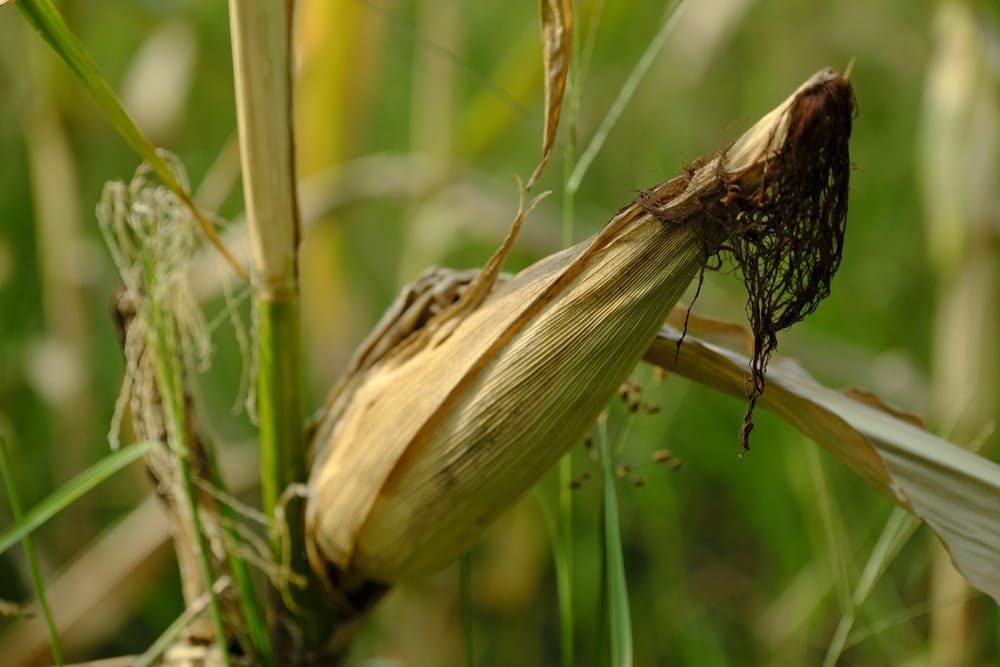
7. Corn Reaches Ancient Greatness Through Fermentation
Corn has a deep history in fermentation, especially in indigenous cultures that used the process for both preservation and nutrition. When fermented, corn becomes easier to digest and more bioavailable, unlocking nutrients the body can’t fully access when corn is eaten fresh. The flavor deepens dramatically, creating dishes and bases that feel rustic, rich, and robust. Stored corn eventually dries out or loses sweetness, but fermented corn becomes something truly memorable. This crop was practically born to be transformed instead of shelved.
Fermentation Unlocks Hidden Potential
Fermentation isn’t just a quirky hobby—it’s a powerful way to transform everyday crops into flavorful, nutrient-packed staples that beat storage every time. Whether it’s the tang of fermented tomatoes or the probiotic punch of kimchi-bound cabbage, these crops prove that fermentation is far more than just preservation—it’s enhancement.
If you’ve experimented with fermenting any of these ingredients, or if you’ve stumbled across surprising favorites of your own, we want to hear from you.
Share your experiences, recipes, or fermentation mishaps in the comments below. Your story might just inspire someone else’s next delicious experiment.
You May Also Like…
9 Crops That Should Be Dug Up Before Heavy Rain
9 Root Vegetables That Should Be Stored in Sawdust
10 Crops That Germinate Stronger in Cold Soil
9 Fall Harvest Crops That Can Be Stored Without Refrigeration
Why Winter Cover Crops Boost Soil Health

Brandon Marcus is a staff writer for FrugalGardening.com at District Media, Inc., where he delivers practical gardening advice with a relatable, no-nonsense style. An avid amateur gardener, he holds a BA degree and with over ten years of professional writing experience, he is also an award-winning published author whose first book, Questions For Deep Thinkers, was released by Adams Media. His work has appeared in major publications including Fandom.com, CHUD.com, TheColdWire.com, and Fansided.com.
Leave a Reply