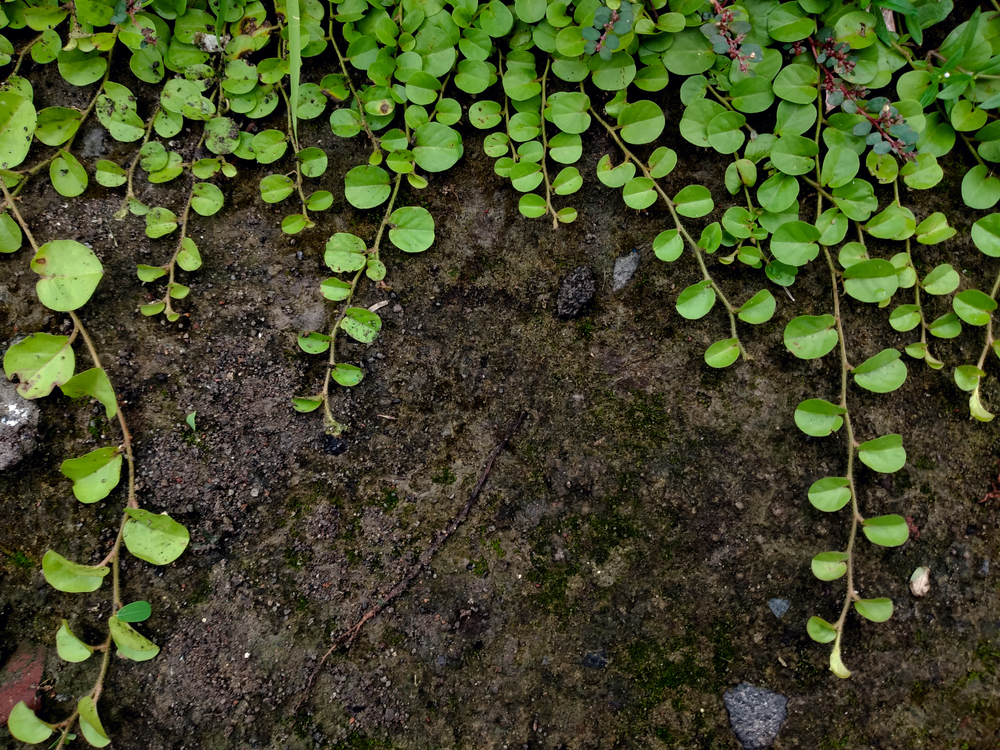
Some sneaky plants wait for the chillier months to unleash absolute chaos in your yard. While most of your garden is winding down, preparing for a peaceful seasonal nap, these botanical troublemakers are just getting started. They creep, crawl, root, and sprint across soil like they’ve been training all summer for this exact moment.
The worst part? Many homeowners don’t realize what’s happening until spring arrives and their yard suddenly looks like a villain origin story. If you’ve ever wondered why certain weeds seem to explode during cool weather, buckle up—these invasive plants are colder-season masterminds.
1. Creeping Charlie
Creeping Charlie thrives in cool temperatures and spreads with surprising speed once autumn rolls in. Its round, scalloped leaves and minty smell may look innocent, but don’t be fooled—this plant can overrun lawns before you realize it’s moved in. It spreads through both seeds and creeping stems, giving it multiple paths to victory. Shady areas are its favorite hangouts, especially spots where turfgrass is struggling. Once it settles in, getting rid of it becomes a long-term battle requiring persistence and strategy.
2. Wintercreeper
Wintercreeper is notorious for its ability to grow aggressively during cooler seasons when other plants slow down. Its evergreen foliage makes it look appealing, which is exactly how it lures gardeners into planting it. Over time, it forms dense mats that smother everything underneath, including young trees. Because it still thrives when temperatures drop, it quietly expands its reach while you’re inside sipping hot chocolate. Come spring, you’ll suddenly notice it carpeting areas you swore were bare just months before.
3. Japanese Spurge
Japanese Spurge is often advertised as a great groundcover, but in cool weather it turns into a relentless spreader. It grows in thick colonies that crowd out native plants and take over shady garden beds. Even harsh winter nights don’t slow it down, giving it a huge advantage over more delicate plants. Those glossy green leaves stay perky and energetic long after your perennials call it quits for the season. Because it forms such dense root networks, removing it requires serious digging and dedication.
4. English Ivy
English Ivy loves cool conditions and doesn’t hesitate to show it. As soon as temperatures drop, it shifts into growth mode and begins climbing, crawling, and clinging to anything in its path. Trees, fences, brick walls—nothing is safe from its sticky aerial roots. The plant grows with extra enthusiasm when other vegetation slows down, giving it the upper hand in claiming territory. Left unchecked, it can damage structures, strangle trees, and create huge ecological imbalances.
5. Canada Thistle
Canada Thistle may sound patriotic, but gardeners know it as one of the most stubborn weeds imaginable. Cooler weather barely fazes it, and the plant uses the season to fortify its deep, interconnected root system. Each tiny root fragment has the potential to grow into a new plant, making it incredibly difficult to eliminate. The thistle spreads underground like a secret network planning a takeover. By the time warm weather returns, it has already laid the groundwork for an invasion.

6. Garlic Mustard
Garlic Mustard is a cold-loving opportunist that spreads quickly once temperatures drop. It starts as a low rosette that thrives in late fall and early spring, giving it an unusually long growing window. This extended timeline allows it to outcompete native plants that need warmer days to get going. Its seeds can remain viable in the soil for years, waiting for the perfect chill to restart the cycle. The plant also releases chemicals that prevent nearby plants from thriving, adding a villainous twist to its behavior.
7. Vinca Minor
Vinca Minor, or periwinkle, is another deceptively charming garden plant that becomes pushy as temperatures cool. Its vines spread outward in all directions, rooting wherever they touch soil. The glossy evergreen leaves help it continue photosynthesizing long after other plants fade for the season. Because it stays active in cooler weather, it gains a head start in claiming territory before spring arrives. If left alone, it can form dense carpets that choke out anything less competitive.
8. Himalayan Blackberry
Himalayan Blackberry might bless us with fruit, but everything else about it borders on plant chaos. As soon as temperatures dip, the plant doesn’t slow—it doubles down, sending out long canes that root wherever they touch the ground. Its thorny growth makes removal a painful endeavor, literally. The cool-season vigor helps it spread faster than many native shrubs, establishing massive thickets that are nearly impossible to control. While it may look harmless at first, it quickly becomes a looming, prickly problem.
Cool Weather Doesn’t Mean A Break From Battling Invasives
Just because the temperature drops doesn’t mean your yard goes quiet—sometimes, it becomes the perfect playground for ambitious, fast-spreading invaders. These eight plants have mastered the art of growing when everything else is resting, giving them a massive advantage that gardeners must keep an eye on. Understanding their behaviors helps you stay one step ahead and prevents springtime surprises you definitely didn’t plan for.
Have you dealt with any of these cool-weather spreaders in your own yard? Share your thoughts, stories, or worst plant battles in the comments section below.
You May Also Like…
7 Innocent-Looking Shrubs That Harbor Invasive Insects
10 Common Garden Plants That Are Actually Invasive Species
Why Over-Fertilizing Kills More Plants in Fall
Why Stopping Lawn Care Too Early Could Invite Pests and Fungus
The Right Way to Move Houseplants Indoors Without Losing Leaves

Brandon Marcus is a staff writer for FrugalGardening.com at District Media, Inc., where he delivers practical gardening advice with a relatable, no-nonsense style. An avid amateur gardener, he holds a BA degree and with over ten years of professional writing experience, he is also an award-winning published author whose first book, Questions For Deep Thinkers, was released by Adams Media. His work has appeared in major publications including Fandom.com, CHUD.com, TheColdWire.com, and Fansided.com.
Leave a Reply