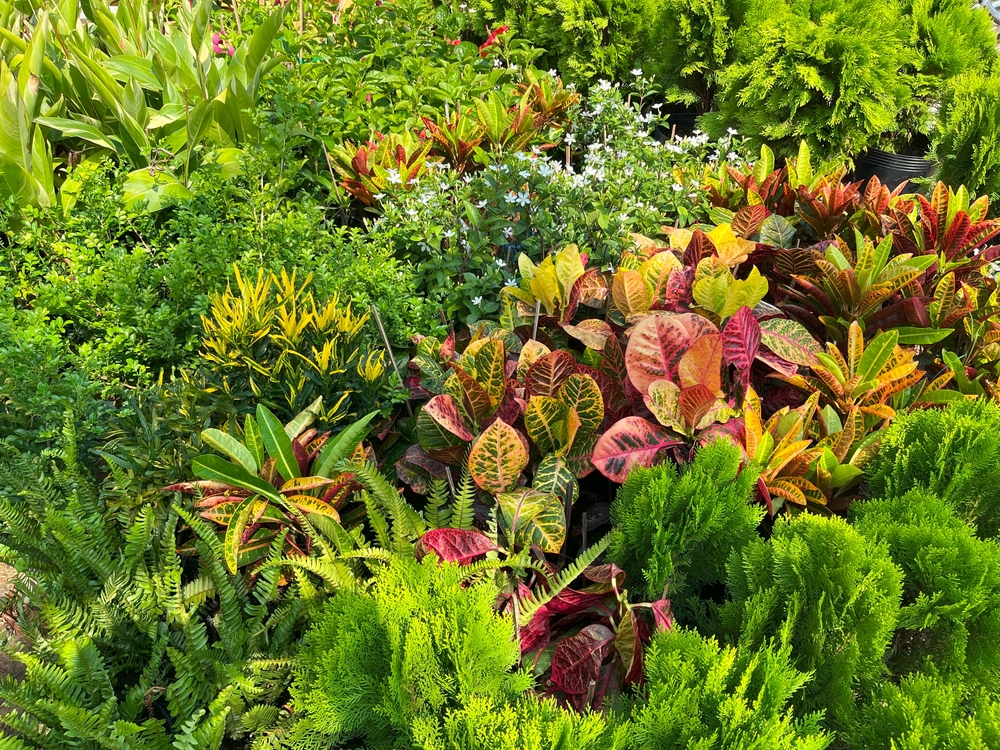
The moment the first cool breeze sweeps through your yard, something magical starts happening in the garden. Plants shift gears, colors deepen, and hidden changes unfold beneath the surface—especially where groundcovers are hard at work. While most gardeners focus on the showy trees or late-season blooms, the real unsung heroes of autumn soil protection are the creeping, sprawling, quietly powerful groundcovers.
They’re not flashy, but they’re endlessly reliable, and the role they play this time of year is far bigger than most people realize. If you’ve ever underestimated just how important these low-growing plants are once fall arrives, you’re about to see them in a whole new light.
Groundcovers Create A Living Shield
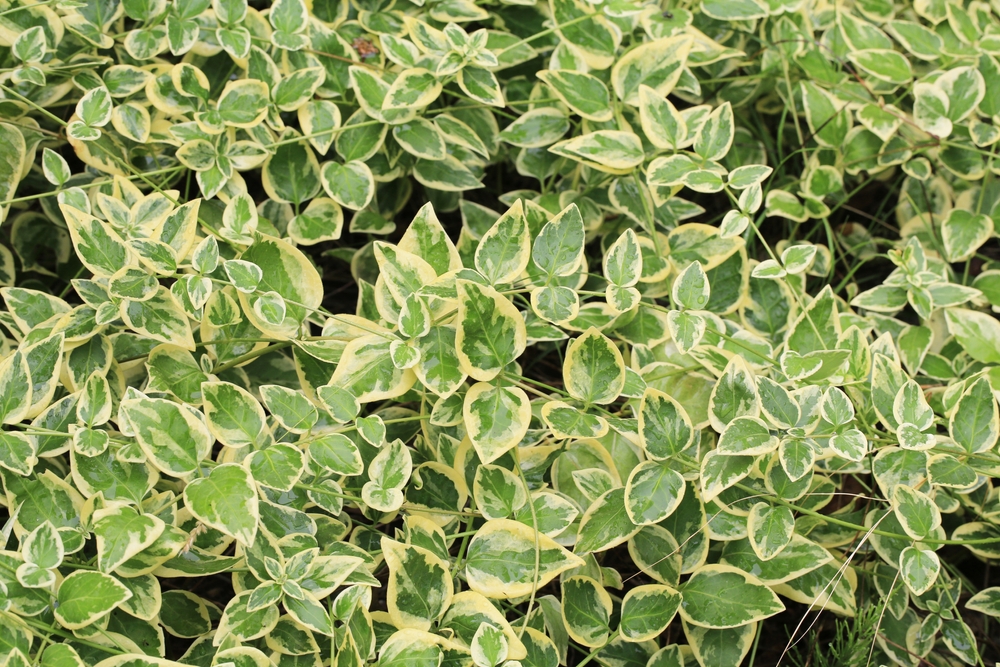
Groundcovers act like nature’s armor, forming a protective layer over the soil that keeps it safe during seasonal shifts. As autumn winds pick up and rain becomes more frequent, bare soil can quickly erode, but groundcovers block that loss by absorbing rainfall and softening its impact. Their dense networks of stems and leaves catch falling debris, trapping it before it can wash nutrients away. This natural shield also helps prevent compaction, which means better airflow and healthier roots beneath the surface. By staying close to the ground, these plants form a barrier that holds the earth in place exactly when the garden needs help the most.
Their Roots Anchor Soil Firmly
While the leafy surface gets most of the attention, the underground root systems of groundcovers do the heavy lifting. These roots branch out widely and weave themselves through the soil, creating a natural mesh that locks everything together. During autumn, when storms and heavy rainfall can loosen topsoil, this root network becomes essential for stability. Even shallow-rooted groundcovers make a massive difference by preventing runoff and binding the soil into place. The result is a landscape that stays intact, nourished, and ready for winter’s dormant months.
Groundcovers Reduce Weed Pressure
Autumn may seem like weed season is over, but many sneaky invaders love cooler weather and damp soil. Groundcovers help shut down their chances by blocking sunlight from reaching the ground, making it nearly impossible for weed seeds to germinate. When unwanted sprouts do try to break through, they struggle to compete with the thick, established growth already in place.
By slowing down weed growth now, groundcovers reduce work for the gardener and protect soil nutrients from being stolen by aggressive invaders. With fewer weeds competing for resources, your garden enters winter healthier and more balanced.
They Hold Moisture Where It Matters
Autumn can be unpredictable—weeks of rain may follow weeks of dryness—so soil moisture levels often swing wildly. Groundcovers act as a natural buffer, helping keep moisture consistent through fluctuating conditions. Their leaves create shade over the earth, preventing evaporation, while their roots draw water deeper into the ground instead of leaving it to pool on the surface. This steady hydration helps soil organisms thrive, which in turn keeps the soil healthy and nutrient-rich for spring growth. Even as temperatures drop, the moisture balance controlled by groundcovers helps stabilize the entire garden ecosystem.
Groundcovers Enrich Soil As They Shed
Even though they’re evergreen or semi-evergreen in many regions, groundcovers still shed bits of foliage, stems, and organic matter throughout autumn. These tiny pieces decompose slowly, creating a light layer of natural mulch that feeds the soil beneath. This adds nutrients, improves structure, and encourages earthworms and beneficial microbes to stay active longer into the season.
As this organic material breaks down, it also helps create humus, which improves the soil’s ability to retain nutrients over time. Essentially, groundcovers act as miniature compost factories, requiring no extra space or effort from the gardener.
They Provide Warmth And Insulation
As autumn progresses, soil temperature becomes increasingly crucial, especially during sudden cold snaps. Groundcovers act like a soft blanket, trapping heat and slowing down the rapid cooling that can stress root systems. By insulating the soil, they help beneficial organisms survive longer and protect perennial plants nearby from early frost damage. This warmth helps maintain a stable environment, allowing roots to continue absorbing nutrients instead of shutting down too quickly. As a result, your garden transitions into winter with less shock and more vitality.
Groundcovers Support Pollinators And Wildlife
Some groundcovers continue to bloom well into autumn, offering nectar and pollen when other plants have stopped producing. These late-season flowers become essential food sources for bees, butterflies, and hoverflies preparing for winter. The dense growth also creates shelter for insects, small amphibians, and microfauna that help maintain a healthy soil ecosystem. By hosting these creatures, groundcovers indirectly boost soil health, since many of these organisms aerate the soil or contribute to decomposition. This little ecosystem beneath the leaves helps your garden stay lively even as other plants fade for the year.
They Prepare The Garden For Spring Success
Groundcovers don’t just protect soil during autumn—they set the stage for success in the upcoming spring. Their insulating and moisture-regulating abilities keep soil conditions stable, allowing the roots of neighboring plants to stay healthier going into winter. By preventing erosion, they make sure nutrients stay exactly where plants will need them once the growing season begins again.
When winter finally melts away, the soil beneath groundcovers usually thaws faster and dries more evenly, giving spring plants a stronger start. This head start can lead to vibrant, resilient growth once warm weather returns.
Groundcovers Keep Landscapes Looking Lush
While most plants begin shutting down in autumn, groundcovers continue providing lush color and texture long after flowers fade. This visual stability offers more than beauty—it protects soil by preventing exposed patches that could otherwise erode or compact. When the landscape remains alive and lush, the garden retains a sense of structure even during seasonal transitions.
This aesthetic coverage also encourages gardeners to care for and appreciate their outdoor spaces throughout the year. The continuous greenery becomes a comforting sign that the garden isn’t fading—it’s simply shifting into its next phase.
Let Groundcovers Do The Quiet Work
Groundcovers may not always be the stars of the garden, but their impact during autumn is undeniable. They shield the soil, support wildlife, prevent erosion, and create healthier conditions long after the rest of the garden begins to wind down. These low-growing plants work quietly, consistently, and effectively, making them some of the most valuable allies your landscape will ever have.
If you’ve seen groundcovers transform your fall garden—or if you’re thinking of planting some—share your experiences, stories, or questions in the comments.
You May Also Like…
- Why November Is the Smartest Month to Test Your Garden Soil
- Why Snow Cover Protects Soil Life
- 12 Soil Problems Fixed Best in Autumn
- The Drainage Mistake That’s Ruining Your Garden’s Soil Each Winter
- 12 Native Plants That Establish Best in Autumn

Brandon Marcus is a staff writer for FrugalGardening.com at District Media, Inc., where he delivers practical gardening advice with a relatable, no-nonsense style. An avid amateur gardener, he holds a BA degree and with over ten years of professional writing experience, he is also an award-winning published author whose first book, Questions For Deep Thinkers, was released by Adams Media. His work has appeared in major publications including Fandom.com, CHUD.com, TheColdWire.com, and Fansided.com.
Leave a Reply