
When the combines have done their work and the fields are left covered in golden stalks and crisp leaves, it might look like the end of the growing season. But underground, the real show is just beginning. While most of us think autumn is a time of rest for the soil, it’s actually one of the busiest seasons for microscopic life.
Beneath those layers of crop residue—corn stalks, wheat straw, soybean stems—a secret banquet is underway. Billions of hungry microbes are feasting, transforming what looks like waste into the building blocks of next year’s fertility.
Autumn: The Hidden Season of Soil Activity
Autumn may bring cooler air and fading daylight, but soil microbes are still wide awake. The combination of leftover plant material and mild soil temperatures creates the perfect setting for microbial feeding. As farmers wrap up harvest, the residue left behind becomes an open invitation for bacteria, fungi, and actinomycetes to move in. They’re the unsung heroes of decomposition, breaking down complex plant tissues into usable nutrients. It’s a natural recycling system that never takes a season off—especially not when there’s a buffet waiting in the fields.
Crop Residue: The Ultimate Microbial Buffet
To the untrained eye, crop residue might look like dead matter. But to microbes, it’s a five-star meal packed with carbon, nitrogen, and other nutrients. Every fragment of stalk or leaf provides a different flavor—high-carbon straw is like slow-cooked barbecue, while nitrogen-rich soybean stems are the protein entrée. Microbes swarm to these materials, secreting enzymes that tear apart cellulose and lignin molecules. The more diverse the residue, the richer and more balanced the microbial diet becomes, fueling a dynamic underground community through the fall months.
The Science Behind the Feast
What actually happens when microbes dive into crop residue? It starts with decomposition—the process of turning complex organic matter into simpler compounds. Bacteria take the lead, digesting easy-to-break-down sugars and starches, while fungi tackle tougher materials like lignin. As these microbes feed, they release nutrients like nitrogen, phosphorus, and sulfur back into the soil. This steady breakdown not only nourishes plants in the long term but also boosts soil structure, helping it hold water and air more effectively.
Temperature and Moisture: The Perfect Recipe
Microbes aren’t big fans of extremes—they like their environment just right. Autumn tends to provide that “Goldilocks zone” of conditions: not too hot, not too cold, and usually moist enough for microbes to thrive. When temperatures linger between 50°F and 70°F, decomposition is at its peak. Moisture helps microbes move through the soil and break down residue more efficiently, while dry spells slow everything down. This is why some of the most productive microbial activity happens after a light fall of rain—it’s like ringing the dinner bell underground.
Fungi: The Web Builders of the Soil World
Among all the microbes celebrating autumn, fungi deserve a spotlight. They send out thread-like hyphae that weave through crop residue, breaking it down and redistributing nutrients across the soil. These fungal networks act like highways, connecting plant roots and other organisms in a quiet but powerful exchange of energy. Some fungi even form symbiotic relationships with plant roots, known as mycorrhizae, helping crops absorb water and nutrients more efficiently. Autumn residue gives them a head start, ensuring they’re well-fed before winter sets in.
Bacteria: The Fast Eaters with Big Impacts
While fungi handle the tough fibers, bacteria prefer the quick snacks—simple sugars and proteins that decompose rapidly. These tiny organisms multiply at lightning speed when the right food appears, quickly converting residue into accessible nutrients. Their metabolic activity releases heat, sometimes keeping the soil slightly warmer during cool autumn nights. As bacteria die off, they become organic matter themselves, enriching the soil with microbial biomass. The result is a cycle of life, death, and renewal that keeps the soil fertile and alive long after harvest.
Earthworms and Insects Join the Party
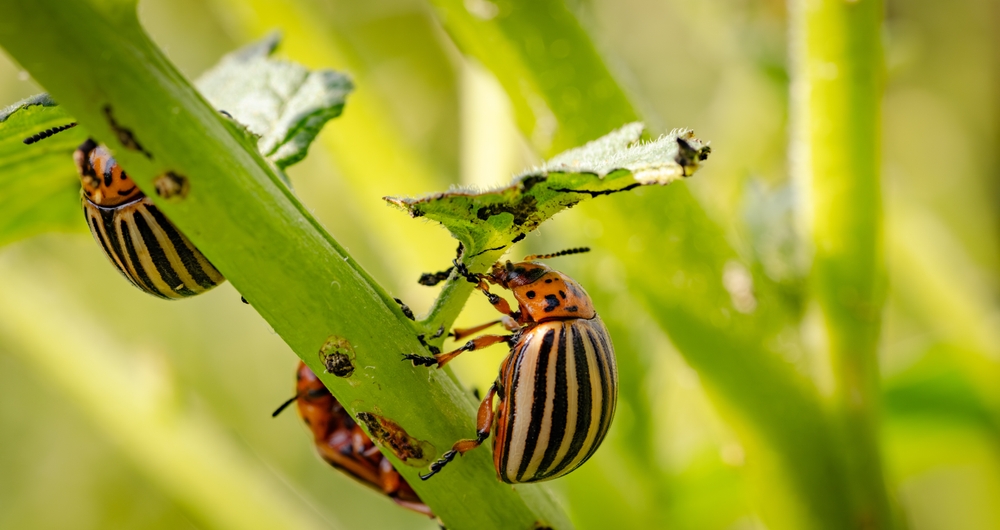
Microbes may do the microscopic heavy lifting, but they’re not alone. Earthworms, beetles, and other soil-dwelling critters play their part in shredding and mixing residue into the soil. Their tunneling creates air pockets that give microbes oxygen, while their waste adds even more nutrients. As they chew through plant material, they help incorporate residue deeper into the ground where microbial activity thrives. It’s a full collaboration—tiny engineers working alongside invisible chemists to create the foundation for next year’s crops.
Farmers’ Secret Weapon: Residue Management
Smart farmers understand that managing crop residue isn’t about cleaning up—it’s about feeding the future. Leaving the right amount of residue on the field can dramatically boost soil health, moisture retention, and microbial balance. However, too much residue can block seedlings or tie up nutrients, so the trick is finding that sweet spot. Some farmers chop residue finely to speed up decomposition, while others lightly incorporate it into the soil to mix oxygen and moisture. When done right, it transforms the post-harvest landscape into a living laboratory of regeneration.
What Happens When the Feast Ends
As winter creeps in and the ground cools, microbial activity slows but doesn’t stop completely. Many microbes go dormant, waiting for spring’s warmth to resume their work. The residue they partially broke down in autumn becomes a slow-release nutrient source for the next planting season. Even in the coldest months, fungi and bacteria continue working at a crawl, maintaining a baseline of soil health. When spring returns, the cycle kicks into high gear again—proof that autumn’s quiet feast sets the stage for the next explosion of growth.
The Underground Feast That Never Ends
While we tend to focus on the visible side of farming—harvests, yields, and equipment—the real magic happens beneath our feet. Every autumn, crop residue becomes a banquet for billions of microbes that recycle, rebuild, and rejuvenate the soil. Their invisible labor keeps our farmlands fertile, our food systems stable, and our planet’s natural cycles spinning.
So, the next time you see a field covered in leftover stalks, don’t see waste—see life. What do you think about the hidden world of soil microbes? Share your thoughts, stories, or farming experiences in the comments below.
You May Also Like…
- 12 Crops That Need Extra Watering Before Frost
- How Storing Root Crops Extends Winter Food Supplies
- 10 Crops to Harvest Twice if You Plant Them in Fall
- 11 Plants That Self-Seed Perfectly in Fall
- How Root Vegetables Store Nutrients Differently in Autumn

Brandon Marcus is a staff writer for FrugalGardening.com at District Media, Inc., where he delivers practical gardening advice with a relatable, no-nonsense style. An avid amateur gardener, he holds a BA degree and with over ten years of professional writing experience, he is also an award-winning published author whose first book, Questions For Deep Thinkers, was released by Adams Media. His work has appeared in major publications including Fandom.com, CHUD.com, TheColdWire.com, and Fansided.com.
Leave a Reply