Fall might seem like the time when gardens start slowing down, but don’t put away your gloves just yet—and definitely don’t swat at every bug you see. While we often associate insects with chewed-up leaves and plant damage, there’s an entire squad of tiny allies working overtime once the temperatures drop.
These unsung heroes protect your plants, recycle nutrients, and even keep next year’s garden healthier. Sure, some of them might look creepy, but they’re secretly the superheroes of soil and sustainability.
1. Ladybugs: The Glamorous Guardians
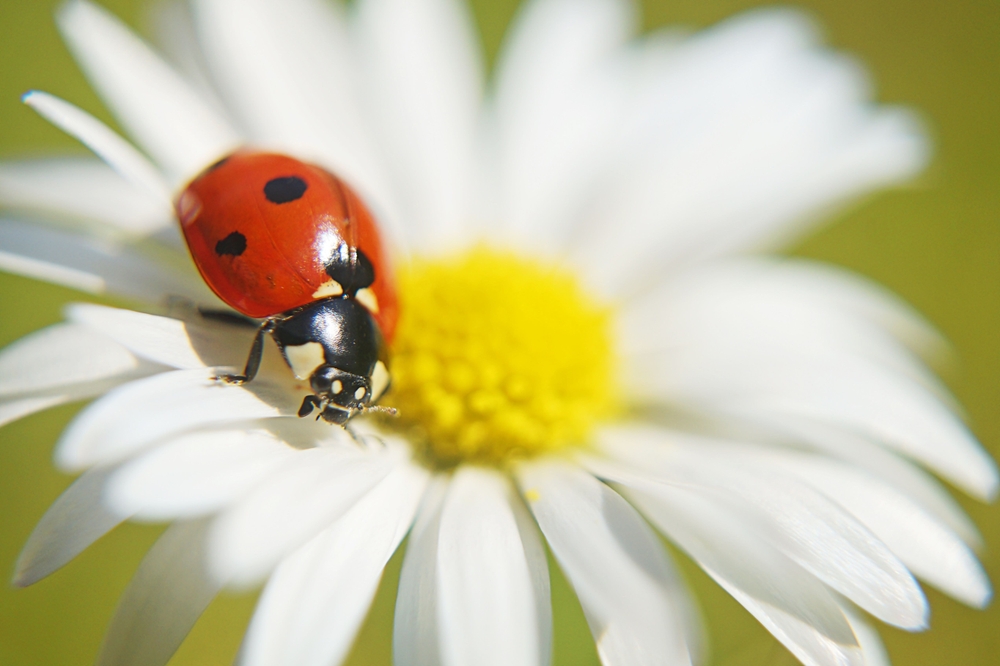
Ladybugs may look like delicate little fashion icons in red and black, but they’re fierce predators on the garden battlefield. Each one can devour up to 50 aphids a day, making them one of nature’s most efficient pest-control forces.
When fall rolls around, these beetles stick around to hunt late-season pests hiding in plant crevices. You’ll often find them gathering under leaves or near mulch, prepping for winter hibernation. Instead of chasing them away, give them shelter—these bright little beauties will reward you with a pest-free spring.
2. Praying Mantises: The Patient Predators
With their alien-like faces and poised, prayerful stance, praying mantises look straight out of a sci-fi movie. But don’t be fooled by their stillness—these hunters are calculating and deadly. They feed on beetles, caterpillars, and other insects that threaten your plants, keeping your fall garden balanced. Mantises don’t discriminate much, though; they’ll even snack on each other if food is scarce, which makes them both fascinating and a bit terrifying. Still, their appetite for garden pests makes them an invaluable ally when it comes to maintaining ecological order.
3. Ground Beetles: The Nighttime Ninjas
Ground beetles might not win any beauty contests, but when night falls, they become your garden’s silent defenders. These fast-moving hunters patrol your soil for slugs, cutworms, and other troublemakers that feast on young roots and stems. You’ll rarely see them during the day—they prefer the cool, dark life under leaves, rocks, or logs. In fall, as the soil stays moist and full of organic matter, they thrive even more. Leave some leaf litter and mulch for them, and they’ll repay you by keeping soil pests in check.
4. Earthworms: The Underground Architects
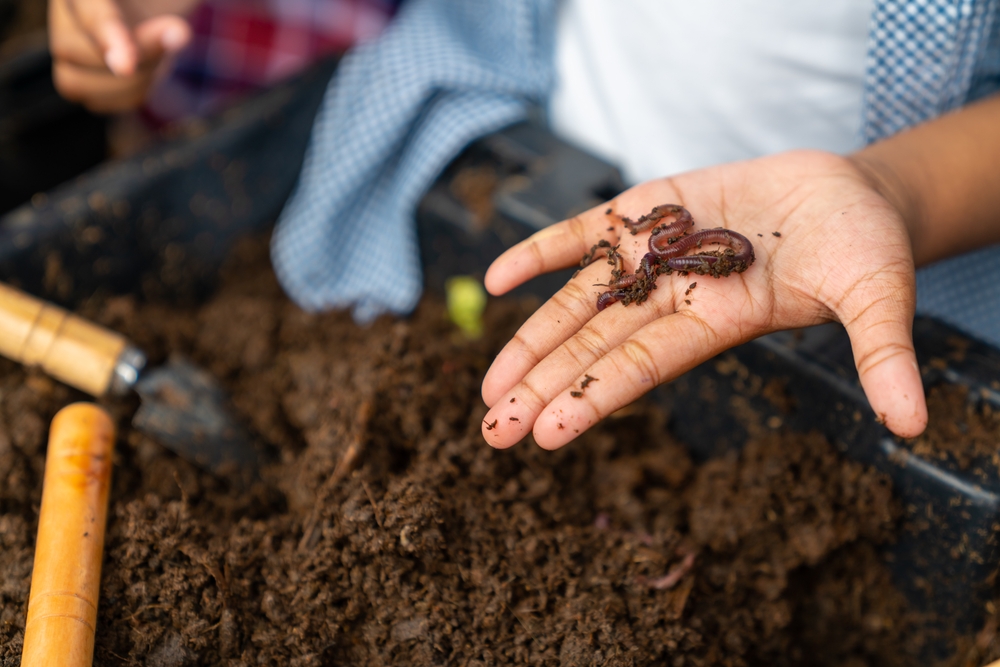
Okay, they’re not flashy. They don’t have wings, they don’t sparkle, and they definitely don’t sting—but earthworms are the backbone of every healthy garden. As they burrow through the soil, they create natural tunnels that improve air and water flow, keeping roots happy and strong. Their castings (yes, worm poop!) are full of nutrients that plants absolutely love. During fall, they work overtime breaking down decaying plant matter into rich compost. Think of them as the quiet engineers of your garden’s foundation—without them, everything above ground would suffer.
5. Lacewings: The Silent Snipers
If ladybugs are the glam squad, lacewings are the secret agents. Their delicate, transparent wings might make them look fragile, but their larvae—sometimes called “aphid lions”—are relentless predators. They go after aphids, mealybugs, and whiteflies with shocking efficiency, especially in late-season gardens. Adult lacewings often feed on pollen and nectar, so having flowering plants nearby helps keep them around. By the time spring arrives, they’ve laid eggs that hatch into another wave of natural pest control.
6. Soldier Beetles: The Unsung Bodyguards
Soldier beetles might resemble lightning bugs, but instead of flashing lights, they flash determination. These golden-orange insects feast on aphids, caterpillars, and other soft-bodied pests that linger into fall. They’re often spotted crawling on flowers, feeding on nectar between hunting sessions. Their presence means your garden is balanced—healthy enough to attract pollinators and tough enough to support predators. Keeping late-blooming flowers like goldenrod and asters ensures these little soldiers stick around to defend your plants.
7. Spiders: The Web-Weaving Warriors
Spiders might not technically be insects, but they earn their spot on this list for the pure volume of pests they take down. During fall, they’re at their peak—spinning webs that catch flies, moths, and mosquitoes before winter sets in. Many gardeners recoil at the sight of them, but those intricate webs are natural traps that save your plants from countless invaders. The more diverse your garden, the more likely spiders will set up shop and keep the balance in check. If you see a web glistening in the fall morning light, take it as a sign your garden’s ecosystem is thriving.
8. Hoverflies: The Imitation Pollinators
Hoverflies look almost identical to tiny bees, but don’t be fooled—they’re harmless mimics with serious benefits. The adults sip nectar and pollinate flowers long after many bees have disappeared for the season. Meanwhile, their larvae munch on aphids like it’s an all-you-can-eat buffet. Having hoverflies around in the fall ensures late-blooming crops and flowers still get the pollination they need. Plus, their presence attracts other beneficial insects that keep your garden buzzing with life.
Let Nature Do the Heavy Lifting
Fall gardening doesn’t mean winding down—it means setting the stage for next year’s success. By recognizing and protecting the insects that work behind the scenes, you’re creating a balanced, self-sustaining ecosystem. These eight species may not wear capes, but they save your garden from countless problems—naturally, efficiently, and without chemicals. So next time you see something crawling, buzzing, or wriggling in your mulch, resist the urge to panic.
Have you spotted any of these helpful bugs in your fall garden? Share your stories, photos, or tips in the comments below—we’d love to hear what nature’s helpers are up to in your backyard.
You May Also Like…
- Why Leaf Piles Attract Beneficial Insects
- 5 Bugs in Your Garden That Could Be Destroying Your Home’s Foundation
- 9 Fall Garden Pests That Arrive Out of Nowhere
- 10 Ways Fallen Leaves Feed Your Soil
- The DIY Pest Spray That Works Better Than Store-Bought

Brandon Marcus is a staff writer for FrugalGardening.com at District Media, Inc., where he delivers practical gardening advice with a relatable, no-nonsense style. An avid amateur gardener, he holds a BA degree and with over ten years of professional writing experience, he is also an award-winning published author whose first book, Questions For Deep Thinkers, was released by Adams Media. His work has appeared in major publications including Fandom.com, CHUD.com, TheColdWire.com, and Fansided.com.
Leave a Reply