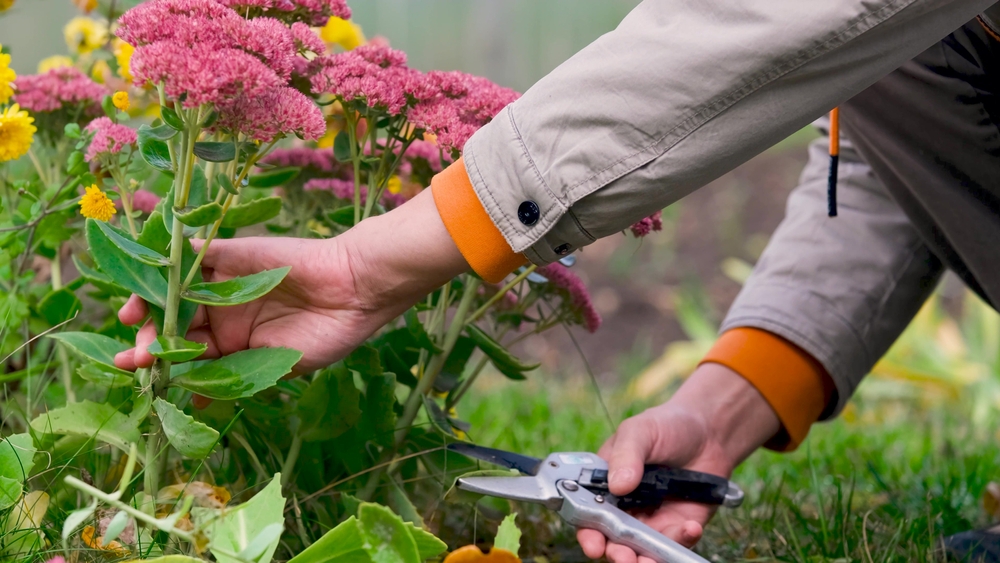
You finally feel it—the first warm weekend after a long, gray winter. The birds are singing, your gloves are on, and you’re ready to mulch like a pro. You grab that fresh, earthy-smelling pile of mulch and start spreading it around your flower beds, feeling productive and proud. But hold on—before you cover your perennials in that cozy blanket, you might actually be setting them up for trouble.
Mulching too early is one of gardening’s sneakiest mistakes, and it can spell disaster for your plants before the season even gets going.
Timing Is Everything in the Garden
The timing of mulch application can make or break your perennial bed. Many gardeners rush to mulch at the first sign of spring warmth, but soil temperatures can still be dangerously cold. When mulch is laid down too soon, it traps the chill in the ground, slowing the soil’s natural warming process. Perennials need that gradual temperature rise to wake up and start growing properly. By mulching too early, you’re essentially hitting the snooze button on your plants when they’re trying to stretch and grow.
Trapped Moisture Equals Root Rot
Early mulching can turn your garden into a soggy mess. When the ground is still wet from snowmelt or spring rain, mulch acts like a moisture-trapping barrier. Instead of allowing the soil to dry out naturally, the mulch keeps it saturated—creating the perfect environment for root rot and fungal growth. Perennials that should be thriving end up suffocating in the dampness, their roots gasping for air. Waiting until the soil has had time to dry and breathe ensures your plants stay strong and healthy.
Mulch Can Trick Plants Into Waking Up Too Soon
Ironically, mulching too early can also have the opposite effect: it can make your perennials think it’s time to grow before they’re ready. When a warm spell hits, that insulating mulch traps heat and fools the soil into staying cozy even if a cold snap is around the corner. The result? Tender new shoots appear too soon—only to be zapped by a sudden frost. It’s like encouraging your plants to throw a party before the weather RSVP’d yes. The best approach is to hold off until the ground has fully thawed and nighttime temperatures stay consistently mild.

Early Mulching Welcomes Pests to the Party
You’re not the only one excited about mulch season—so are pests. When mulch goes down too early, it creates a damp, protected haven for insects, slugs, and even rodents. These freeloaders love the warm, moist environment and may start snacking on your newly emerging perennials. Worse yet, they might decide to set up camp for the season, making pest control an uphill battle later on. Waiting a few extra weeks before spreading mulch can help ensure you’re not rolling out the red carpet for garden invaders.
It Can Stunt Spring Growth and Flowering
Mulching before your perennials have sprouted can suffocate them just when they need air and sunlight the most. Early mulch can smother tender shoots trying to push through the soil, forcing them to twist, stretch, or weaken. Even if they manage to emerge, the stress can lead to smaller blooms and reduced growth. Think of mulch like a winter coat—necessary when it’s cold, but stifling when spring warmth arrives. Give your plants a little breathing room before tucking them in under that cozy layer.
Soil Needs Time to “Wake Up” Naturally
Your garden soil has its own rhythm. In early spring, microorganisms begin to stir, breaking down organic matter and improving nutrient availability. Mulching too early can block sunlight and air exchange, slowing down this natural process. Healthy soil needs to warm and “wake up” on its own before being covered. When you wait, you’re not just protecting your perennials—you’re supporting the underground ecosystem that keeps them thriving all season long.
When Is the Right Time to Mulch?
The sweet spot for mulching depends on your climate, but as a rule of thumb, wait until the soil is no longer wet or cold to the touch. In most regions, that’s about mid to late spring, once plants have started to show visible growth. You want the soil temperature to hover around 50°F (10°C) consistently before applying that layer of protection. At that point, mulch will lock in moisture, regulate temperature, and keep weeds at bay—all without harming your perennials. Patience now means less replanting and regret later.
The Right Mulch and Method Matter Too
Even timing aside, how and what you mulch with makes a difference. Organic mulches—like shredded bark, compost, or straw—break down over time, feeding the soil naturally. When applying, keep the mulch about two inches deep and avoid piling it directly against plant crowns or stems. This simple step prevents rot, discourages pests, and allows air to circulate. Think of your mulch as a protective blanket, not a smothering quilt—comfortable, breathable, and just enough to help your perennials thrive.
Don’t Rush Nature—Your Perennials Will Thank You
Mulching too early might feel like a productive start to spring, but it often backfires in ways that harm your garden’s health and beauty. By trapping cold, excess moisture, and pests, early mulch can turn those eager perennials into stressed survivors instead of thriving bloomers. The best gardeners know that timing is everything—and that sometimes, the smartest move is simply to wait. So, when your hands are itching to spread that mulch, take a deep breath, check your soil, and let nature set the pace.
Have you ever mulched too early or learned a hard lesson about timing? Share your experiences, tips, or gardening wins in the comments below.
You May Also Like…
11 Trees With Leaves Worth Collecting for Mulch
The Mulch Trick That Saves Water and Fights Weeds
9 Garden Tools You’ll Use More in Fall Than Summer
How to Protect Tender Perennials From Sudden Frost
The Hidden Dangers of Overwatering in Cooler Months

Brandon Marcus is a staff writer for FrugalGardening.com at District Media, Inc., where he delivers practical gardening advice with a relatable, no-nonsense style. An avid amateur gardener, he holds a BA degree and with over ten years of professional writing experience, he is also an award-winning published author whose first book, Questions For Deep Thinkers, was released by Adams Media. His work has appeared in major publications including Fandom.com, CHUD.com, TheColdWire.com, and Fansided.com.
Leave a Reply