
The very word “frost” can make gardeners shiver—both literally and figuratively. Visions of wilted tomato plants, blackened basil leaves, and ruined harvests come to mind. But here’s the twist: frost isn’t always the big bad wolf of the gardening world.
In fact, when understood and harnessed, frost can actually be your garden’s sneaky ally. Surprised? Let’s dig into why a chilly morning might just be doing your plants (and your green thumb) more favors than you think.
Frost Helps Sweeten Cold-Weather Crops
Ever wonder why carrots taste sweeter in late fall or why kale suddenly feels like a gourmet treat after a cold snap? Frost triggers plants to produce sugars as a natural antifreeze, which in turn enhances their flavor. Vegetables like parsnips, Brussels sprouts, and spinach actually thrive in this process, transforming bitterness into sweetness. Instead of fearing the frost, many gardeners actually time their harvests to take advantage of it. Think of frost as nature’s secret seasoning—sprinkling sweetness where you least expect it.
Frost Signals the End of Pests
If there’s one thing gardeners love more than healthy plants, it’s fewer pests nibbling on them. Frost acts like a reset button, knocking back populations of insects that would otherwise multiply out of control. Mosquitoes, aphids, and certain beetles can’t survive prolonged freezes, giving your garden a much-needed break. While it won’t wipe out every creepy crawler, frost significantly reduces the competition your plants face come spring. Consider that morning chill not a threat, but a quiet ally keeping your garden pest-free.
Frost Prepares the Soil for Renewal
Here’s a hidden benefit: frost isn’t just about plants, it’s about the ground they grow in. When soil freezes and thaws, it undergoes a natural aeration process. The expansion and contraction loosen compacted earth, making it easier for roots to spread later on. Gardeners often find that frosted soil is richer, more crumbly, and better for spring planting. In a way, frost is nature’s tiller—working the soil while you stay cozy with your coffee indoors.
Frost Extends the Harvest Season
Counterintuitive, right? While frost can kill tender plants, it also creates opportunities to prolong gardening success. Crops like kale, leeks, and cabbages actually get better with a few frosty nights, meaning you don’t have to pack up your tools as soon as the first cold snap hits. With the right planning—like using row covers or cold frames—frost can stretch your harvest well into the late fall or early winter. Instead of ending your garden season, frost can be the encore performance.
Frost Teaches Patience and Timing
Gardening is as much about timing as it is about watering and weeding. Frost forces gardeners to think strategically: when to plant, when to harvest, and how to protect tender crops. By learning frost patterns in your area, you sharpen your sense of rhythm with nature. Instead of rushing, you start planning more deliberately—waiting until after the last frost to plant warm-season crops like tomatoes or peppers. In this sense, frost becomes less of a hurdle and more of a wise old teacher in your gardening journey.
Frost Inspires Creativity in the Garden
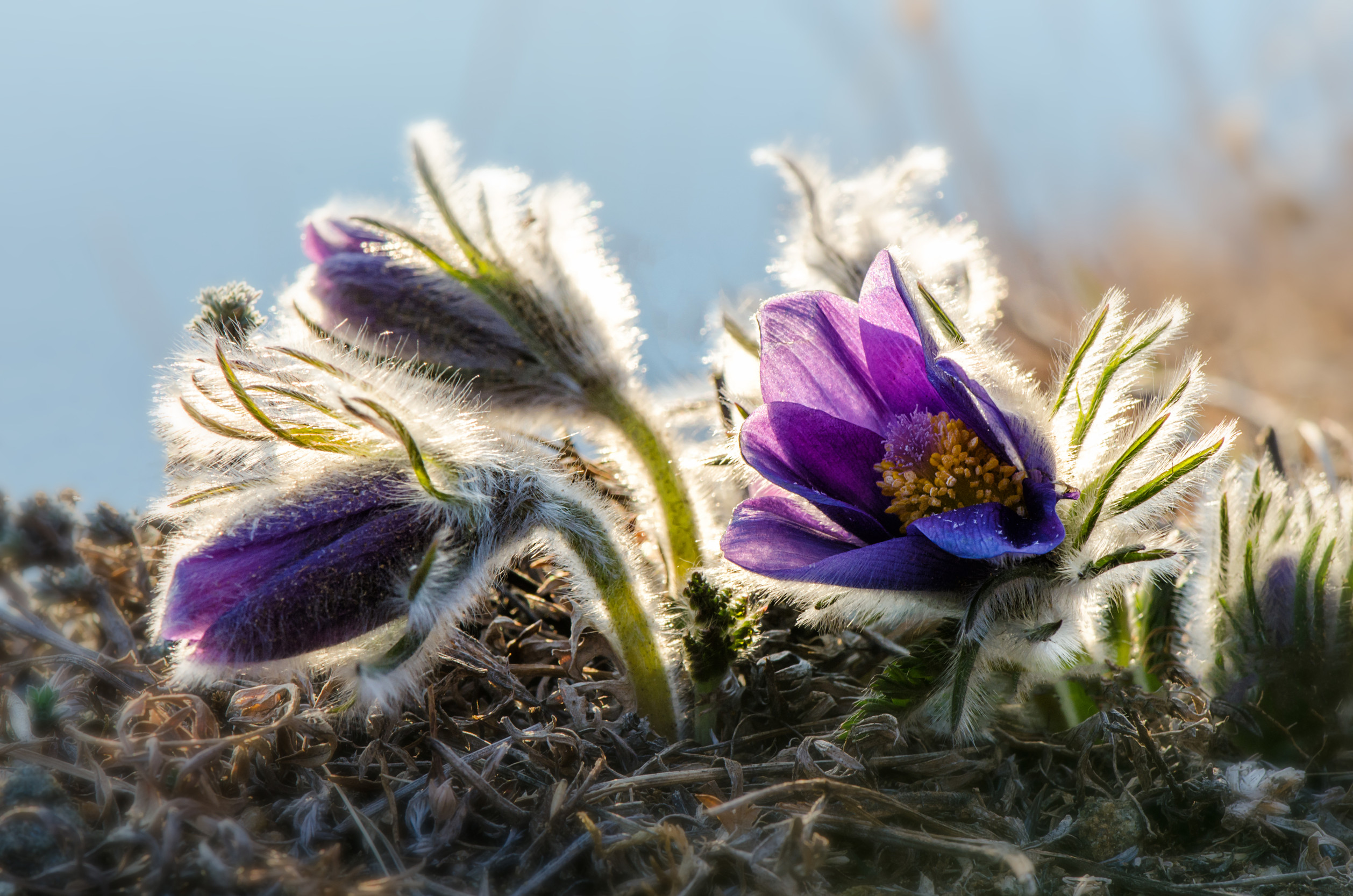
When frost enters the forecast, gardeners often get inventive. From draping plants with sheets and blankets to setting up DIY cloches made from milk jugs, frost protection inspires a unique kind of creativity. These strategies not only save crops but also add a sense of adventure to the gardening experience. Plus, frosty mornings bring stunning visuals—sparkling leaves, glistening webs, and a magical sheen over the garden. Instead of dreading frost, you might even find yourself grabbing your camera before your watering can.
Frost Keeps Gardeners Grounded
Perhaps the greatest lesson frost offers isn’t about soil or sugar, but perspective. It reminds us that gardening is a cycle of growth, rest, and renewal. Without frost, pests thrive unchecked, soil becomes tired, and flavors stay flat. Embracing frost helps gardeners let go of perfection and embrace the natural rhythm of the seasons. In this way, frost isn’t just a garden event—it’s a life lesson, reminding us that even endings bring hidden gifts.
Frost—Your Garden’s Secret Ally
It’s time to retire the idea that frost is purely the enemy of gardeners. From sweetening crops to killing pests, loosening soil to teaching patience, frost actually works behind the scenes to support a healthier, tastier, and more balanced garden. The key is knowing how to use it rather than fear it. Next time you see those icy crystals on your garden beds, try viewing them as helpful rather than harmful.
What’s your experience with frost—friend or foe? Share your stories, tips, or frosty gardening hacks in the comments section below!
You May Also Like…
- 10 Perennials to Divide Before the First Frost
- How to Protect Tender Perennials From Sudden Frost
- 7 Cover Crops Every Garden Needs This Season
- Why Garlic Loves Being Planted Before Winter
- Why Soil Testing in Fall Saves Money in Spring

Brandon Marcus is a staff writer for FrugalGardening.com at District Media, Inc., where he delivers practical gardening advice with a relatable, no-nonsense style. An avid amateur gardener, he holds a BA degree and with over ten years of professional writing experience, he is also an award-winning published author whose first book, Questions For Deep Thinkers, was released by Adams Media. His work has appeared in major publications including Fandom.com, CHUD.com, TheColdWire.com, and Fansided.com.
Leave a Reply