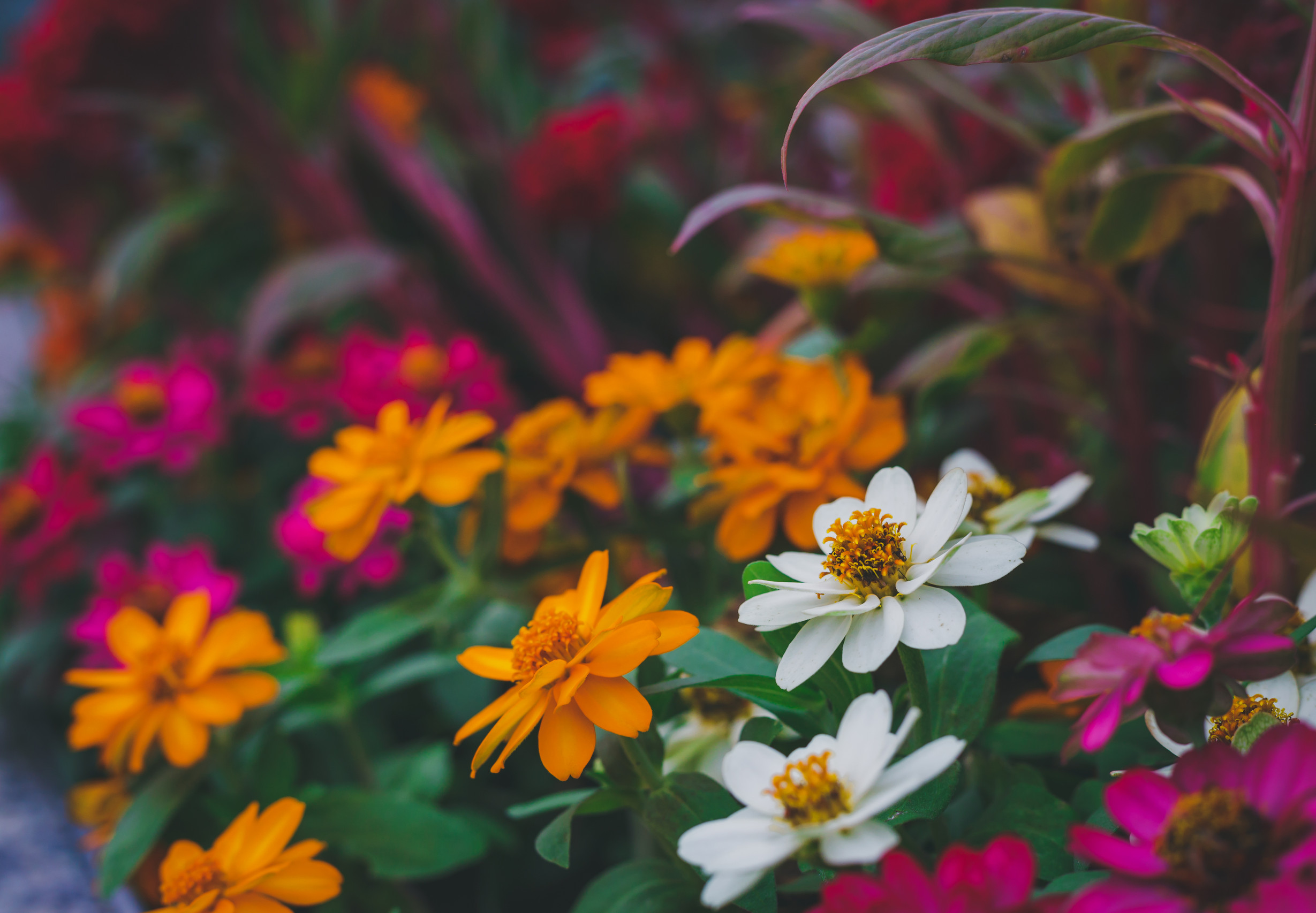
There’s something magical about a crisp autumn breeze—the kind that makes you reach for a sweater and look at your garden with both pride and a touch of panic. Summer blooms are fading, leaves are tumbling, and you realize winter is creeping closer than you’d like. But here’s a secret that seasoned gardeners know: fall isn’t the end—it’s a new beginning.
Dividing perennials before the first frost doesn’t just tidy up your garden; it breathes fresh life into your plants, prevents overcrowding, and ensures next spring is bursting with color. If your flower beds are starting to look a little too cozy, it’s time to grab a shovel and give your perennials the space they deserve.
1. Hostas: The Garden’s Low-Maintenance Friend
Hostas are practically the poster child for dividing perennials, and fall is their favorite season for a little TLC. When they get too crowded, their leaves shrink and their vigor fades, but splitting them revitalizes the plant. The trick is to dig up the whole clump, slice it like a pie, and replant the wedges. They’ll settle in over winter and pop up even stronger in spring. Divide hostas every three to five years to keep them lush and happy.
2. Daylilies: The Energizer Bunnies of the Garden
Daylilies spread faster than you think, and before long, they’re hogging all the sunlight. Dividing them before frost keeps them in check and guarantees a show-stopping bloom season next year. Use a sharp spade to lift the clump, then pull apart the fans of leaves into smaller groups. Replant them immediately so their roots can adjust before winter hits. Bonus: they’re nearly indestructible, so even beginner gardeners can’t go wrong.
3. Irises: Divas That Demand Space
Bearded irises are stunning, but boy, do they hate being cramped. When left alone for too long, they stop blooming altogether, leaving you with a sad bunch of leaves. To fix this, dig them up, snap the rhizomes apart, and discard any soft or old sections. Plant the fresh rhizomes shallowly with their tops peeking above the soil. With some autumn sunshine, they’ll thank you with a spring performance worthy of applause.
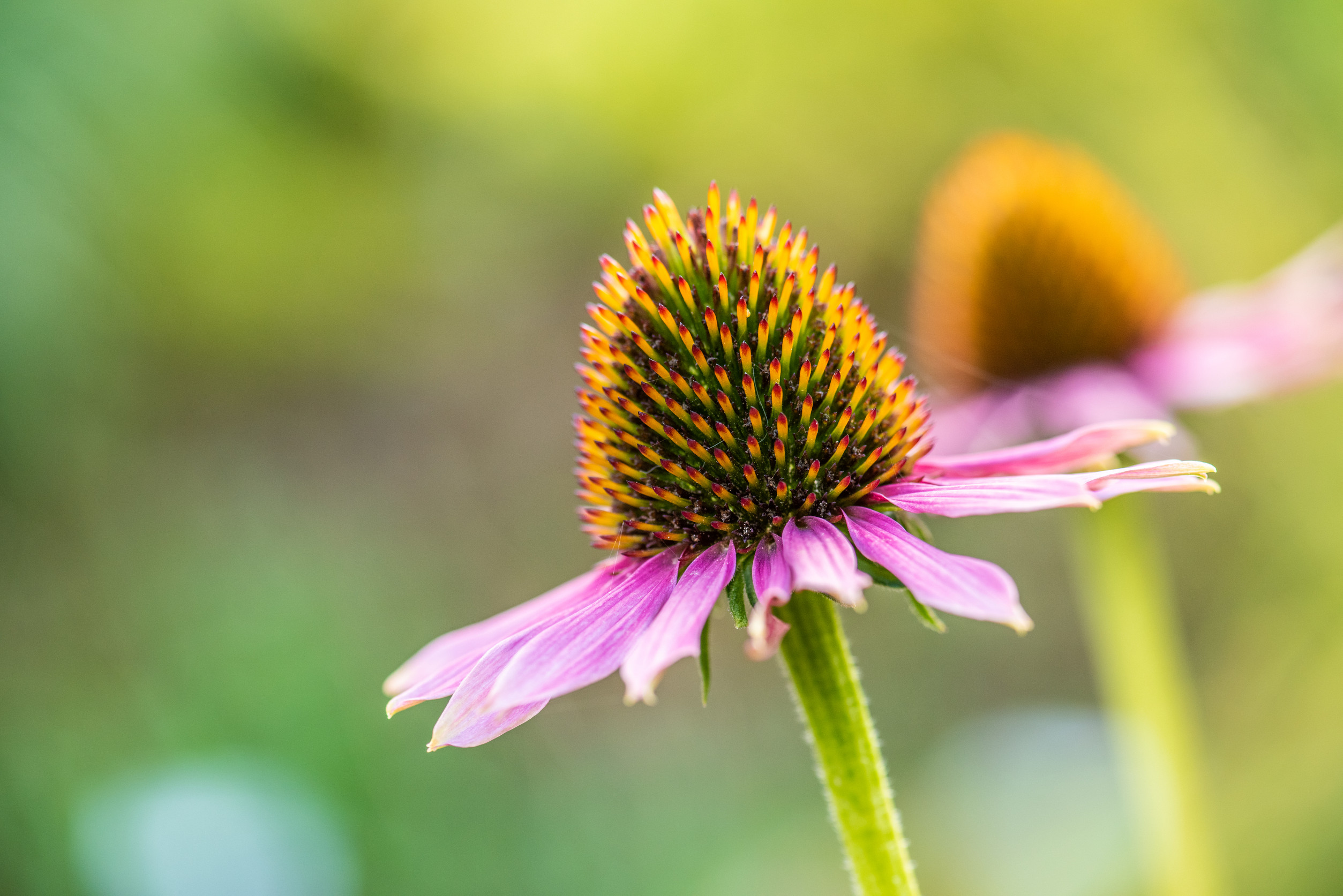
4. Coneflowers: Pollinator Magnets That Multiply Fast
Coneflowers, or echinacea, are pollinator favorites and self-spreaders extraordinaire. But if you don’t divide them, they’ll quickly crowd your beds and weaken over time. Lift the clumps carefully, tease apart the roots, and spread them around your yard—or gift them to neighbors. Divided coneflowers establish easily in fall, making them hardy for the coming cold. Plus, the pollinators will throw you a garden party next summer.
5. Black-Eyed Susans: Bold and Bright, but Bossy
Black-eyed Susans love to take over every square inch of soil if you let them. Dividing them every three years keeps their golden glow under control and prevents them from strangling smaller plants. When splitting, cut the root ball into sections and replant them a couple of feet apart. They’ll grow back fast, so don’t worry if they look a little rough after dividing. Come summer, your garden will glow like a field of sunshine.
6. Peonies: The Sentimental Showstoppers
Peonies don’t need frequent dividing, but when they’ve been in the same spot for decades, they may start to fizzle out. Dividing them before frost refreshes their energy and gives you new plants to spread around. Carefully dig up the tuber-like roots and make sure each section has at least three to five “eyes.” Replant at the same depth they were growing, because too deep means no flowers. Peonies reward patience, but a well-divided clump will bloom for generations.
7. Sedum: The Succulent That Loves Sharing
Sedum, especially autumn joy, thrives when it gets a little space to stretch. If left alone too long, clumps become woody in the center and start to flop. Dividing sedum is simple—just slice the root ball and replant in sunny spots. They’ll root quickly and reward you with sturdy growth next year. Think of them as the “pass-along” plant; they’re perfect for sharing with friends.
8. Shasta Daisies: Cheerful but Overzealous
Shasta daisies can brighten any corner, but they lose their charm when overcrowded. Dividing them before frost ensures those cheerful white blooms return with gusto next season. Lift the clump, separate the roots, and replant sections in well-drained soil. They’re not picky, so they bounce back quickly after the divide. If you want a steady supply of smiling blooms, this task is non-negotiable.
9. Phlox: Fragrant but Finicky
Garden phlox is stunning in bloom but prone to mildew when crowded. Dividing it every few years not only rejuvenates the plant but also improves air circulation. Cut the clump into smaller chunks and replant in full sun for best results. The fall chill gives phlox time to establish roots without the stress of summer heat. Next year, you’ll enjoy bigger, healthier, and more fragrant clusters.
10. Bee Balm: The Hummingbird Favorite
Bee balm is a magnet for hummingbirds, bees, and butterflies—but it’s also notorious for spreading aggressively. Dividing it in fall keeps it under control and ensures strong, healthy growth. Slice off outer sections of the clump and discard the tired, woody center. Replant the healthy divisions where they’ll get plenty of sun. Come summer, you’ll have a pollinator paradise without the chaos.
Divide and Conquer Before Winter
Dividing perennials before the first frost isn’t just about maintenance—it’s about setting your garden up for long-term success. With a little digging, slicing, and replanting, you’ll keep plants healthy, vibrant, and ready to wow you in spring. Plus, dividing gives you extra plants to share, making your garden the gift that keeps on giving. Don’t wait until frost nips at your heels—grab your shovel and get started now.
Have you divided your perennials yet? Share your tips, stories, or favorite dividing hacks in the comments below.
You May Also Like…
How to Grow a Garden That Survives Neglect
The Shade Garden Strategy That Turns Dead Zones Into Lush Retreats
From Paper Towel to Potting Soil: The Ideal Time to Transplant Your Seedlings
Seed Starting on a Budget Series: Get Your Timing Right
The Best Time of Day to Water—And Why Most People Get It Wrong

Brandon Marcus is a staff writer for FrugalGardening.com at District Media, Inc., where he delivers practical gardening advice with a relatable, no-nonsense style. An avid amateur gardener, he holds a BA degree and with over ten years of professional writing experience, he is also an award-winning published author whose first book, Questions For Deep Thinkers, was released by Adams Media. His work has appeared in major publications including Fandom.com, CHUD.com, TheColdWire.com, and Fansided.com.
Leave a Reply