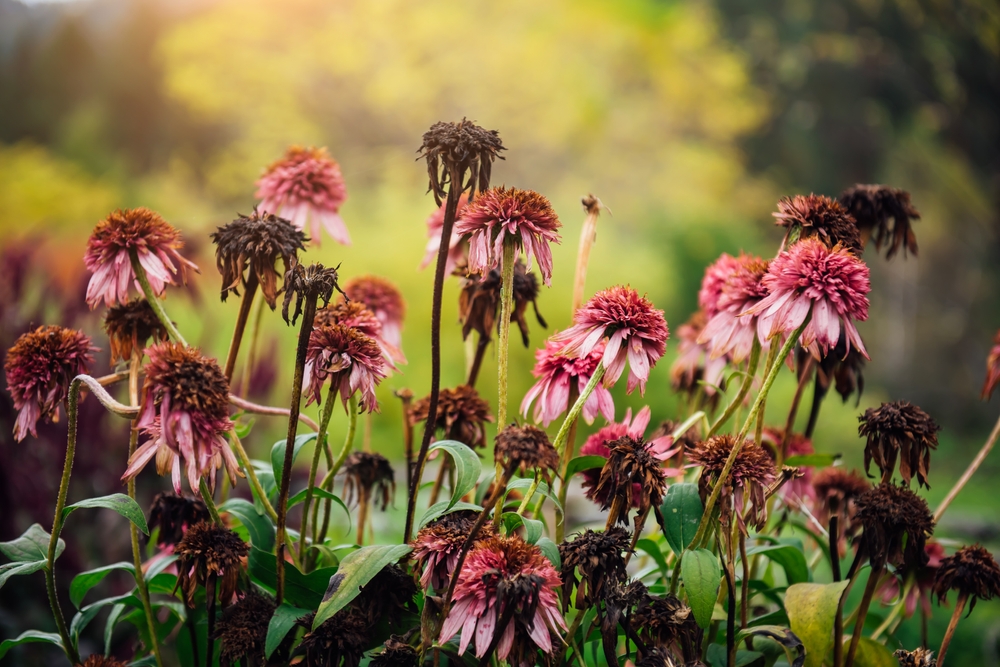
That “dead” garden plant may look like it has officially clocked out for the season, but resist the urge to grab the pruners just yet. Many perennial stems and seed heads can serve a useful purpose through winter, giving wildlife shelter, feeding birds, protecting the plant itself, and making spring cleanup more productive.
A garden does not need to look perfectly manicured when temperatures drop. In fact, a little winter mess can work surprisingly hard behind the scenes. Before everything gets chopped to the soil line, take a closer look at what those crispy stems are actually doing.
Those Brown Stems May Still Have a Job
A frost-blackened perennial can look completely finished while its roots and crown remain alive beneath the soil. Herbaceous perennials such as coneflower, sedum, aster, and many other garden favorites naturally die back above ground while their roots wait for spring. Penn State Extension notes that many perennials benefit from remaining standing through winter because their stems can support insects and their seed heads can add winter interest.
Those upright stems also catch fallen leaves, which can create a cozy layer around the plant’s base. Instead of seeing a collection of sad brown sticks, picture a tiny winter shelter that catches insulation, protects soil, and gives the garden some texture when summer’s flowers have disappeared. Suddenly, that supposedly dead plant looks a lot more useful.
Your Garden May Be Housing Tiny Winter Tenants
Old stems can provide valuable real estate for insects, especially when hollow or pithy stems offer protected spaces for native bees. University of Illinois explains that some leafcutter and mason bees use old stems as nesting sites, while butterflies and moths may spend winter among leaves and other plant debris.
That means a spotless fall garden can accidentally remove some of the very habitat gardeners want to encourage. Leaving selected stems and leaves in place gives these small creatures somewhere to shelter until warmer weather returns. It also turns spring cleanup into a gentler process, because gardeners can wait until insect activity picks up before disturbing potential nesting sites.
Not Every “Dead” Plant Should Stay Put
There is an important exception to the lazy-gardener-friendly approach: diseased plant material deserves different treatment. If a plant suffered from a significant fungal or bacterial disease, leaving infected leaves and stems in the garden can give those pathogens a place to overwinter and cause trouble again. Illinois Extension specifically recommends removing diseased perennial and vegetable debris rather than leaving it behind as winter habitat.
Some plants also benefit from fall cleanup because their old foliage can create problems or simply become unattractive and difficult to manage later. Peonies, for example, commonly receive a fall cleanup, while certain grasses and other perennials look better and function perfectly well when gardeners leave their old growth standing. Plant-specific habits matter, so a quick check of the care requirements for a particular perennial can prevent an innocent-looking pruning job from becoming a horticultural oops.
Let Spring Tell You When Cleanup Time Arrives
When spring finally rolls around, resist the temptation to attack every brown stem on the first sunny afternoon. University of Illinois Extension recommends delaying major cleanup until temperatures remain consistently warm enough to encourage overwintering insects to emerge, rather than disturbing them while they still shelter in stems and leaf litter.
When cleanup time does arrive, cut old stems near the base while taking care around fresh shoots emerging from the crown. Ornamental grasses often make especially good candidates for spring cutting, since their dried foliage and seed heads can provide winter structure and many varieties produce fresh growth from the base once the weather warms.
A Little Garden Mess Can Be a Good Thing
The best fall garden does not necessarily look like someone vacuumed every square inch of it. Leaving selected stems, seed heads, and clean fallen leaves creates winter habitat while giving birds access to seeds and insects, and those dried plants can add structure to an otherwise sleepy landscape. University of Illinois Extension points to plants such as coneflowers, black-eyed Susans, sedums, and other seed-producing flowers as useful winter resources for birds and insects.
So before tossing that “dead” plant into the yard-waste bin, pause for a closer inspection. If it has no serious disease problem and the plant benefits from winter standing, letting it remain until spring may help both the garden and the creatures that use it.
Which supposedly dead plant in your garden are you planning to leave alone this winter?
You May Also Like…
Those Dead Summer Plants May Still Have Value Before They Reach the Trash
9 Plants That Add Color Without Needing Constant Deadheading
Fall Leaves Could Replace Something You’re Paying for at the Garden Center
Should You Compost Diseased Plants? The Answer Depends on How Hot Your Pile Gets
Why Planning Plant Placement Early Prevents Disease

Brandon Marcus is a staff writer for FrugalGardening.com at District Media, Inc., where he delivers practical gardening advice with a relatable, no-nonsense style. An avid amateur gardener, he holds a BA degree and with over ten years of professional writing experience, he is also an award-winning published author whose first book, Questions For Deep Thinkers, was released by Adams Media. His work has appeared in major publications including Fandom.com, CHUD.com, TheColdWire.com, and Fansided.com.
Leave a Reply