A brown tomato plant, crispy basil, or collapsed annual flower can look like garden garbage, but the end of a plant’s season does not necessarily mean the end of its usefulness. Before those tired stems land in a trash bag, gardeners can often turn them into compost, save their seeds, create habitat, or return valuable organic material to the soil.
That does not mean every dead plant deserves a second chance. A plant covered in disease, crawling with pests, or contaminated with something unpleasant belongs in the appropriate waste stream, not the backyard compost pile. The important part comes down to knowing which plants can get a useful encore and which ones need to make a clean exit.
Compost Can Give Spent Plants a Second Job
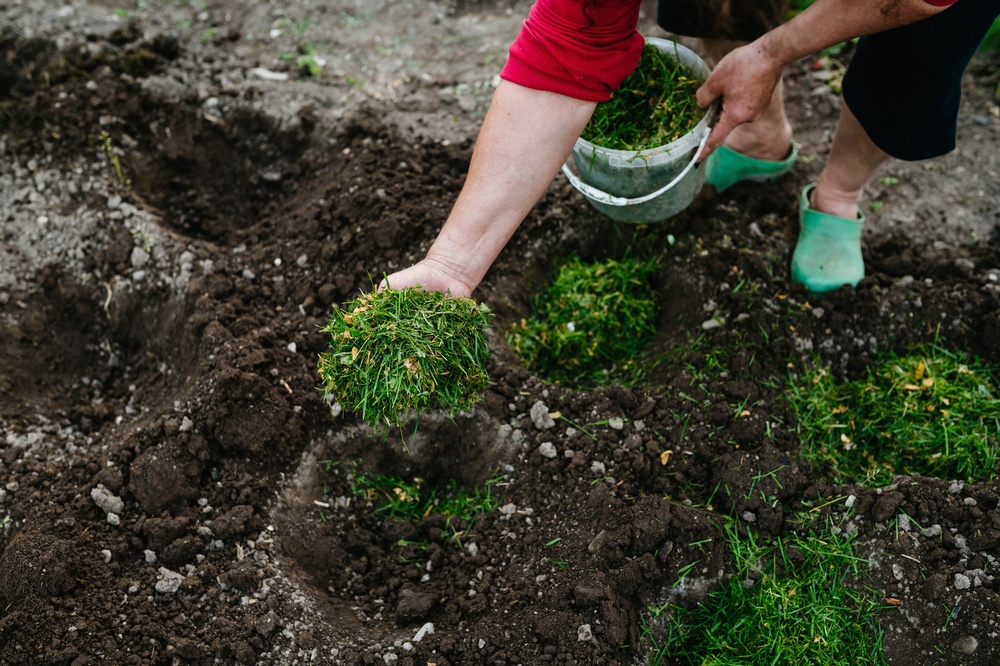
Healthy spent annuals can make excellent additions to a compost pile because their leaves, stems, roots, and other plant material contain organic matter that microorganisms can break down. Pulling an old bean plant or chopping up a finished marigold does not erase its value simply because the flowers have stopped blooming. Cutting large stems into smaller pieces helps them break down more readily and prevents a pile from filling with stubborn sticks. Removing thick seed heads also can make turning the pile easier, although gardeners can leave some seeds if they do not mind an occasional volunteer plant appearing later. A little garden cleanup can therefore become next season’s soil amendment.
Disease changes the equation, however, and that distinction matters more than whether a plant looks merely ugly. Tomato and squash plants with obvious signs of serious fungal or bacterial disease should not automatically go into a backyard compost pile because ordinary home composting may not reliably destroy every plant pathogen. The same caution applies to plants heavily infested with pests or weeds carrying mature seeds that could create a new headache when the finished compost reaches the garden.
When in doubt, municipal green-waste programs may offer a better destination because some facilities manage plant material under conditions that differ from a backyard pile. In other words, composting should recycle healthy garden material, not turn a disease problem into a subscription service for next year’s garden.
Seeds Can Be More Valuable Than the Plant
A dried plant can also leave behind one of the cheapest forms of future gardening currency: seeds. If a healthy open-pollinated or heirloom plant produced mature seeds, gardeners can collect them, allow them to dry thoroughly, and store them in a cool, dry place for future planting. Annual flowers such as marigolds, zinnias, cosmos, and sunflowers can offer particularly obvious opportunities because their spent flower heads often hold plenty of mature seed. Seed saving works best when gardeners identify the plant correctly and collect from healthy specimens rather than preserving genetics from a plant that struggled with disease. The sad-looking plant at the end of the season may therefore contain the beginnings of next year’s garden.
There is one important catch, and it can save gardeners from a rather confusing spring surprise. Seeds from hybrid plants may produce offspring that differ significantly from the parent plant, so saving them does not guarantee an identical repeat of the original variety. Cross-pollination can create another wrinkle, especially with plants that readily exchange pollen with nearby varieties. Seeds also need proper storage because moisture and heat can reduce their viability over time. A paper envelope labeled with the plant name and collection year provides a much better memory aid than a mysterious jar of seeds marked “pretty yellow flowers,” which sounds charming until planting day arrives.
Some Stems Are Better Left Alone
Not every dead-looking plant needs immediate removal, particularly when the stems remain healthy and offer useful shelter or food for garden wildlife. Hollow stems can provide nesting sites for some native solitary bees, while seed heads can offer food for birds and other wildlife during the colder months. Leaving selected stems standing also gives the garden some structure after summer’s lush growth disappears. This approach works especially well with certain perennial flowers and ornamental plants whose dried seed heads remain attractive long after their petals fade. A garden does not need to look perfectly clipped and tidy to remain useful.
That said, leaving everything standing until spring can create its own problems. Diseased foliage should still leave the garden, and plants that harbor serious pest infestations deserve closer attention rather than an automatic invitation to overwinter. Gardeners also should consider the plant’s growth habit, because some species can spread aggressively through seeds if their mature seed heads remain in place. For healthy plants, selective cleanup often offers a sensible middle ground: remove what poses a problem and leave what provides habitat or visual interest. The result looks less like a botanical crime scene and more like a garden with a plan.
Even the Roots and Potting Mix May Have Uses
Spent container plants can contain useful organic material below the soil line, too. Healthy annuals can come out of their pots at the end of the season, and gardeners can add the plant material to compost rather than automatically sending the entire root ball to the garbage. If the potting mix remains in good condition, gardeners can sometimes reuse it for appropriate container plantings after removing old roots and refreshing the mix with compost or another suitable amendment. Old potting mix should not become the sole growing medium for a demanding new crop because it can compact over time and lose some of its useful structure. Think of it as an ingredient, not a finished meal.
Gardeners should also take care with soil from plants that suffered serious disease or persistent pest problems. Reusing contaminated growing media can carry problems into a new container or growing area, particularly when the same type of plant returns. Clean containers before reusing them, especially if the previous plant had a known disease issue. For healthy plants, however, reclaiming pots, roots, and suitable growing media can reduce waste while saving money on the next round of planting. Sometimes the most useful part of garden cleanup involves figuring out what does not need replacing.
The Best Garden Cleanup Is Selective
Summer’s leftovers deserve a quick inspection before the trash can gets involved. Healthy plant material can become compost, mature seeds can become next year’s planting stock, and selected dry stems can provide useful habitat. Diseased plants, heavily infested material, invasive weeds, and questionable growing media call for more cautious disposal instead. That simple sorting step can keep valuable organic material in the garden while preventing avoidable problems from following it into the next season. Garden cleanup becomes much more useful when “dead” stops being the only question being asked.
The goal does not involve keeping every crispy leaf and fallen stem forever, because gardens still need sensible maintenance. Instead, look at each spent plant for what it can still contribute before deciding where it belongs. A healthy annual might have one final job in the compost pile, while a dried flower head might deserve a place to provide seeds or wildlife food. A diseased tomato plant, meanwhile, has already caused enough trouble and does not need a return engagement. Before throwing out the remains of summer, take a closer look because the garden may still find a use for them.
What do you usually do with your spent summer plants: compost them, save the seeds, leave some stems standing, or send everything straight to the bin?
You May Also Like…
A Small Fall Garden Can Keep Producing Long After Summer Tomatoes Are Gone
8 Ways to Keep Your Garden Producing After Summer Vegetables Quit
10 Garden Mistakes That Can Raise Your Water Bill During Late-Summer Heat
9 Garden Supplies Worth Buying When Stores Start Clearing Summer Inventory
Some of the Best Garden Bargains of the Year Show Up After Summer Ends

Brandon Marcus is a staff writer for FrugalGardening.com at District Media, Inc., where he delivers practical gardening advice with a relatable, no-nonsense style. An avid amateur gardener, he holds a BA degree and with over ten years of professional writing experience, he is also an award-winning published author whose first book, Questions For Deep Thinkers, was released by Adams Media. His work has appeared in major publications including Fandom.com, CHUD.com, TheColdWire.com, and Fansided.com.
Leave a Reply