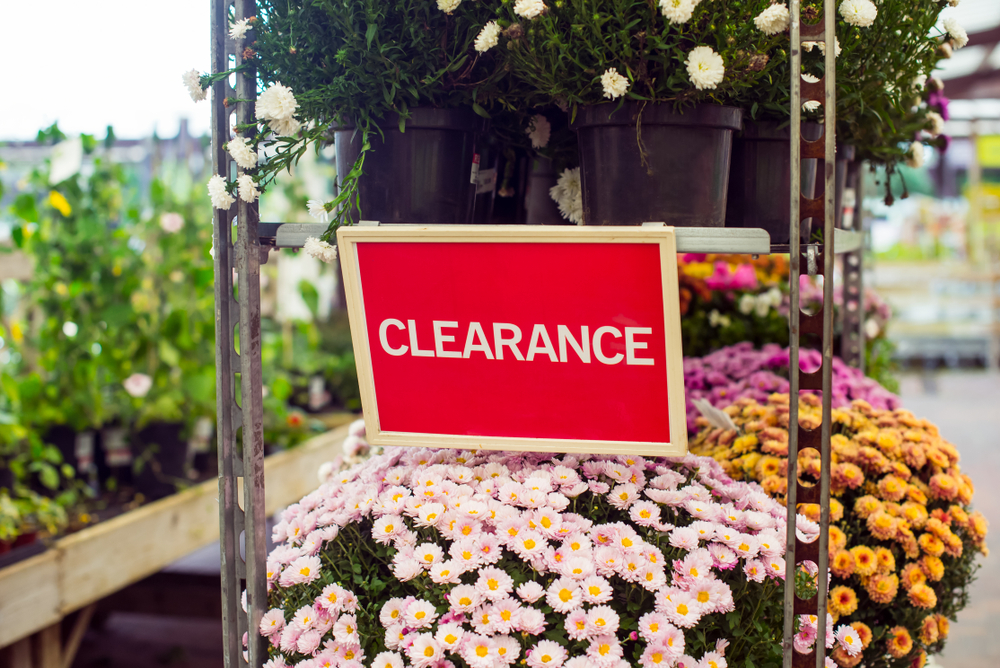
Garden center clearance season can feel like the gardening equivalent of finding a forgotten twenty-dollar bill in an old jacket. The big summer rush has passed, shelves start looking a little picked over, and suddenly useful garden supplies can become much easier to justify. The trick is knowing which bargains deserve space in the garage and which ones should stay on the clearance rack.
Late-season shopping works best when it focuses on supplies that remain useful long after summer ends. Some items can help with fall planting, others make next spring easier, and a few simply save money on things that gardeners will eventually need anyway. A bargain only counts as a bargain if the item actually earns its keep.
1. Garden Soil and Compost
Bags of garden soil, compost, and planting mixes often become tempting targets when stores start making room for autumn merchandise. These materials can remain useful for filling containers, refreshing raised beds, mixing planting holes, or correcting a bed that settled during the growing season. Before loading the cart, check every bag for tears, excessive moisture, or signs that the material has become contaminated. A slightly dusty bag usually poses no problem, but a damaged package deserves a closer look before it goes home.
This can also be a smart time to buy materials for next spring rather than paying full price when garden centers get busy again. Store bags somewhere dry and protected from weather, and avoid piling them where water can collect underneath. Soil amendments do not become magically better because they sit in the garage, so there is little reason to buy an enormous mountain of material simply because the price looks good. The best clearance purchase fills a real gardening need rather than creating a future storage problem.
2. Mulch
Mulch can disappear from garden center shelves once summer fades, but the gardening calendar certainly does not stop needing it. Organic mulches such as shredded bark, wood chips, and straw can help protect soil from temperature swings, reduce erosion, and suppress weeds when used correctly. Fall also offers plenty of opportunities to use mulch around established trees, shrubs, perennial beds, and other plantings.
Look closely at bags before buying, particularly if they sat outdoors through hot or wet weather. Torn packaging can let moisture in, while compacted material can become annoying to spread. Clearance mulch makes sense when the product remains clean, dry enough to handle, and appropriate for the intended planting area.
3. Garden Gloves
Garden gloves have a remarkable talent for disappearing into sheds, garages, and mysterious corners of the yard. That makes clearance season a perfectly reasonable time to pick up an extra pair or two, especially if the gloves fit well and suit the type of work ahead. Different jobs call for different protection, so a lightweight pair that feels wonderful while pulling weeds may offer little help when pruning thorny shrubs or handling rough materials.
Inspect discounted gloves for cracked coatings, brittle fabric, loose stitching, or damage from outdoor storage. Fit matters, too, because oversized gloves can make delicate work clumsy while tight gloves can become uncomfortable during longer jobs. A good pair should let the fingers move naturally without bunching at the fingertips. Since gloves eventually wear out, buying a useful spare at a reduced price can make considerably more sense than waiting until the current pair develops its first dramatic hole.
4. Hand Tools
Trowels, cultivators, hand pruners, weeders, and other small tools often turn up in end-of-season clearance bins. These are particularly worthwhile when the tool has a sturdy handle, a solid connection between the handle and working end, and a blade or head that shows no obvious damage. Cheaply made tools can become frustrating almost immediately, so a lower price should never excuse flimsy construction.
Give each tool a quick inspection before buying it. Move the handle, check for looseness, and examine metal surfaces for excessive rust or bending. Hand pruners deserve extra attention because damaged or poorly aligned blades can make pruning harder than necessary. A clearance tag can lower the price, but it cannot repair a bad tool.
5. Plant Supports and Trellises
Garden supports can look oddly unexciting on a retail shelf, then become extremely useful when a tomato plant collapses sideways or a climbing vine decides the nearest shrub looks like a perfectly reasonable ladder. Cages, stakes, trellises, and plant ties can support vegetables, flowering vines, and other plants that need help staying upright. Buying these items after the main growing season can also make next year’s garden planning less expensive.
Look for sturdy construction rather than decorative bells and whistles. Metal supports should not show serious corrosion or weak welds, while plastic components should remain flexible rather than brittle. Check the size, too, because a tiny trellis does not become more useful merely because it has a dramatic discount sticker. Storage matters here as well, since supports can last for years when gardeners clean them and keep them from unnecessary weather exposure.
6. Seed-Starting Supplies
Clearance shelves sometimes hold seed trays, propagation domes, cell packs, plant labels, and other seed-starting equipment after the summer gardening rush. These supplies can become useful even months later, particularly for gardeners who start vegetables, herbs, or flowers from seed indoors. Unlike many seasonal decorations, basic seed-starting equipment has a surprisingly long useful life when gardeners clean it properly between uses.
When shopping, inspect the plastic trays for cracks and warped sections before buying. Look for drainage holes that remain open and lids that fit properly rather than wobbling around like loose casserole covers. If the equipment looks sound, a reduced price can make sense because these supplies do not depend on a single growing season. Clean used-looking trays thoroughly before putting them into service, particularly if they have unknown storage histories.
7. Watering Supplies
Late-season clearance can also uncover watering cans, hose accessories, spray nozzles, hose storage products, and irrigation components. These items can remain useful well beyond summer, and some can make next year’s watering setup easier to organize. A bargain nozzle, however, is not much of a bargain if its trigger sticks or its connections leak.
Test what the store allows you to test, and inspect seals, fittings, handles, and connection points closely. For hoses, look for cracking, flattened sections, and damaged ends. Gardeners who already know they need replacement connectors or a particular hose fitting can especially benefit from clearance shopping because those small pieces tend to become urgent purchases at inconvenient times. Buying the right part ahead of time beats discovering the problem during a heat wave.
8. Frost Protection Supplies
The calendar may say summer clearance, but cooler weather waits for no retail schedule. Row covers, frost cloth, plant blankets, hoops, and similar supplies can become useful as temperatures drop and can also serve gardeners again during early spring. These products can protect vulnerable plants from light frost when used according to their intended purpose, although they cannot replace a greenhouse or guarantee protection during severe freezes.
Check fabric for tears and examine hoops or supports for cracks before purchasing. Pay attention to the dimensions because a bargain-sized cover that cannot reach the plants is just an expensive piece of garden fabric. It also helps to think about how the material will get secured, since wind can turn an unsecured cover into backyard flying art. The best time to buy frost protection is before the first cold night creates a frantic search for something suitable.
9. Storage and Organization Supplies
Clearance shopping does not have to focus exclusively on things that touch soil. Tool organizers, storage bins, hooks, buckets, and other organizational supplies can make a garden shed considerably easier to use, particularly after months of accumulating random twine, labels, gloves, pruners, stakes, and mystery objects that may or may not have belonged to a lawn mower.
Choose storage products based on the tools already on hand rather than buying containers first and hoping they find a purpose later. Durable bins can protect smaller supplies from moisture and pests, while wall-mounted storage can keep frequently used tools easier to find. Before buying anything bulky, measure the available space and check how the item will actually fit through the shed door. A clearance bargain that blocks the only path to the rake has officially become the opposite of helpful.
The Clearance Rack Can Be Part of the Garden Plan
The smartest end-of-season garden purchases rarely involve grabbing everything with a red sticker. They involve spotting supplies that solve predictable problems, last beyond the current season, and cost less because the store needs shelf space rather than because the product suddenly became useless. Soil, mulch, gloves, hand tools, supports, seed-starting equipment, watering supplies, frost protection, and storage gear can all make sense when their condition and intended use check out.
Which garden supply do you always watch for when the summer clearance racks appear? Let’s hear your take in our comments below.
You May Also Like…
How to Create an Endless Food Supply from Your Kitchen Waste
The Garden Center Advice That Cost Me
Shopping for Grow Lights? Learn the Optimal Number of Lumens Required for Your Plants.
You May Be Throwing Away Garden Supplies That Could Last Another Year
9 Things Gardeners Should Never Throw Away at the End of Summer

Brandon Marcus is a staff writer for FrugalGardening.com at District Media, Inc., where he delivers practical gardening advice with a relatable, no-nonsense style. An avid amateur gardener, he holds a BA degree and with over ten years of professional writing experience, he is also an award-winning published author whose first book, Questions For Deep Thinkers, was released by Adams Media. His work has appeared in major publications including Fandom.com, CHUD.com, TheColdWire.com, and Fansided.com.
Leave a Reply