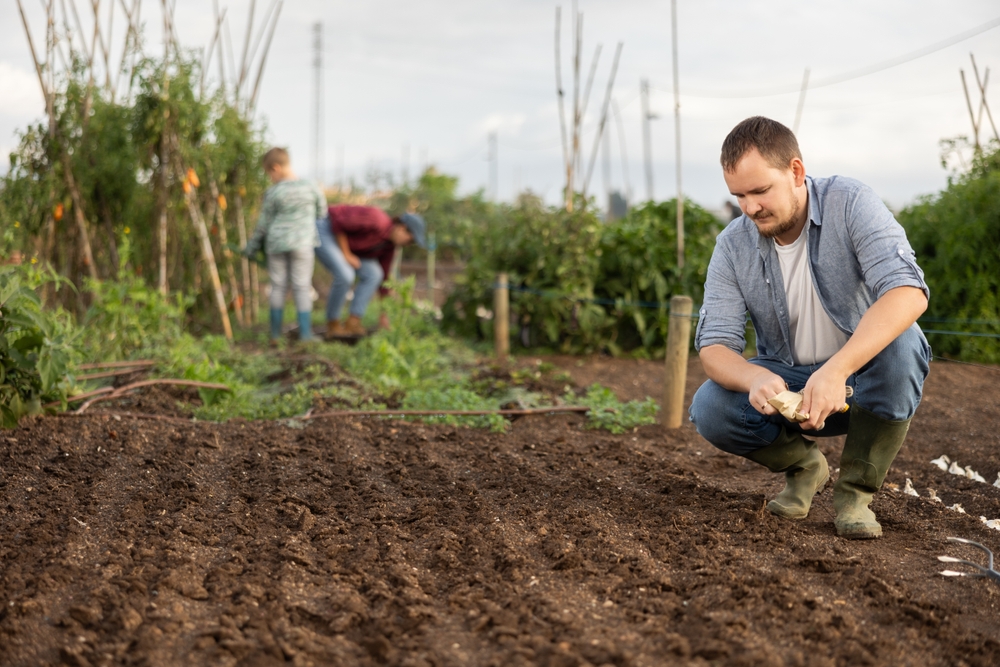
September can make gardeners spend their money on things the garden never asked for. Garden centers fill up with colorful plants, bags of mysterious amendments, shiny tools, and products promising to solve problems that might disappear on their own once cooler weather settles in.
But September also gives gardeners a chance to save. A little restraint can keep perfectly good money in the wallet while still leaving enough room for the purchases that actually matter, such as spring bulbs, well-chosen perennials, and materials that protect plants from winter. Here are 10 garden expenses that deserve a hard pass this month.
1. Fresh Fertilizer for Established Perennials
September can make fertilizer look tempting, especially when summer-weary plants look less impressive than they did in July. Established perennials generally do not need a fresh shot of fertilizer this late in the season, and excess nitrogen can encourage tender new growth when plants should prepare for colder weather.
That does not mean every garden should ignore this forever. A soil test can reveal whether nutrients actually need attention, and spring often provides a better opportunity for targeted feeding. Saving a bag of fertilizer now beats buying one simply because the label features a giant flower that looks suspiciously happy.
2. Fancy “Winterizer” Products for Garden Beds
Garden stores love a seasonal product, and September provides plenty of opportunities to sell something labeled for winter preparation. Many ornamental plants need good soil, adequate moisture, and sensible protection, not a special bottle promising to perform autumn magic. Fertilizer decisions should follow the needs of the plants and the results of a soil test rather than a seasonal marketing slogan.
Lawns follow different rules, so gardeners should not lump turf and garden beds together. Cool-season lawns can benefit from fall fertilization, while many perennial beds do not need the same treatment.
3. Replacing Every Faded Annual
A tired petunia does not need a dramatic rescue operation involving a shopping cart and three trays of replacements. Annuals naturally reach the end of their useful season, and September weather can shorten their remaining display even when gardeners provide excellent care. Spending heavily on replacements makes little sense when frost may arrive before the new plants get much time to perform.
Instead, assess what still looks good and remove plants that have truly finished. Save seeds from suitable plants, move attractive containers into protected spots when practical, and let the garden transition naturally. A few fading flowers can look far better than a yard full of expensive replacements that barely get established before cold weather arrives.
4. Bags of Soil for Beds That Already Have Good Soil
“Garden soil” sounds like an easy shortcut, but buying bags of material without knowing what the existing soil needs can turn into expensive guesswork. Established beds often benefit more from a simple soil test and thoughtful additions than from dumping random products across the surface. Compost can improve soil structure and organic matter, but gardeners should still choose quality compost rather than assuming every bag contains the same material.
September can also provide free organic material in the form of fallen leaves. Shredded leaves can serve as useful garden material and later contribute organic matter as they break down. Before spending money on another bag, look down at the yard because the garden may already have a truckload of useful material coming.
5. Mulch Applied Far Too Early
Fresh mulch can make a garden bed look wonderfully tidy, which explains why September shoppers often reach for it. But winter protection does not require rushing to cover perennial crowns while the soil remains warm. In colder climates, applying protective mulch after the soil begins to freeze can reduce temperature swings and help prevent plants from heaving out of the ground.
That timing matters because premature heavy mulch can encourage unwanted growth beneath the cover. Save the money, stack the bags if necessary, and wait until conditions call for protection. Gardeners can then apply the material where it actually serves a purpose instead of paying for a decorative blanket several weeks too early.
6. Expensive Pest-Control Products for Every Leaf Spot
September can reveal plenty of ugly foliage, from spotted leaves to insect damage that looks worse than it actually affects the plant. Buying a pesticide for every blemish wastes money when many plants can tolerate minor cosmetic damage without intervention. A careful inspection should come before any purchase, especially when cooler weather will soon slow or stop the activity of many pests.
Disease deserves more attention than a few unattractive leaves, particularly when infected debris could create problems next season. Remove seriously diseased plant material and keep it out of a typical home compost pile when the compost cannot reach temperatures that kill pathogens.
7. A New Tool for Every Fall Chore
September can make an ordinary garden task sound like an excuse to buy a specialized gadget. Suddenly there is a leaf scoop, a bulb planter, a pruning contraption, and a tool that apparently exists solely to perform one very specific movement. Most gardeners can handle fall cleanup with the tools already sitting in the shed.
A useful new tool deserves a place in the budget when an old one breaks or a recurring task genuinely demands it. Otherwise, borrowing an occasional specialty tool can make more financial sense than adding another rarely used object to the garage. The garden will not award bonus points for owning the fanciest rake.
8. Throwing Away Healthy Plant Material
Paying for disposal while simultaneously buying compost creates a particularly strange gardening circle. Healthy leaves, stems, and other suitable plant material can provide useful carbon and organic matter for a properly managed compost pile.
Diseased material requires a different approach, so gardeners should not toss everything into the compost indiscriminately. Healthy material, however, can reduce the need to purchase compost later while keeping useful nutrients on the property. September cleanup can therefore become a resource-building exercise instead of a trip to the waste bin.
9. Annual Mums Without Checking Their Hardiness
Those giant flowering mums can make September shopping carts look irresistible, but not every mum deserves a permanent spot in the garden. Many florist mums work beautifully as seasonal container plants but lack the winter hardiness necessary for perennial garden performance in colder regions.
Before paying for several large plants, check the cultivar and its hardiness for the local climate. Gardeners who want returning fall color should choose genuinely hardy perennial varieties rather than assuming every mum label promises the same thing. One well-chosen plant can provide more value than a collection of temporary color bombs.
10. Paying Someone to Do Jobs the Garden Can Wait On
September creates a powerful urge to finish everything before winter, even when several tasks can wait. Gardeners do not need to strip every perennial down to the ground immediately, and many plants can remain standing through winter to provide habitat and food for wildlife.
Some jobs genuinely deserve attention, including removing diseased plants and preparing tender plants for cold weather. Other tasks simply look untidy to human eyes and can wait until spring. Before paying for cleanup, divide the list into urgent, useful, and purely cosmetic jobs, then spend money only on the first two categories.
Keep the September Garden Budget Boring
The smartest September garden purchases rarely come with flashy packaging. They usually involve practical things that match the garden’s actual needs, such as appropriate plants, quality compost, spring bulbs, or winter protection applied at the right time.
A garden does not need constant shopping to remain productive and attractive. Sometimes the best financial move involves leaving the credit card in the house, using what already sits in the shed, and letting the season do some of the work. Which September garden purchase has saved the most money by skipping it?
You May Also Like…
6 August Garden Jobs That Make September Easier
8 Cold-Tolerant Greens to Plant in September
6 Ways to Stretch a Small Garden Budget Into Fall
Why Plant Dormancy Is Triggered in Autumn
7 Frugal Garden Projects to Finish Before Daylight Shrinks

Brandon Marcus is a staff writer for FrugalGardening.com at District Media, Inc., where he delivers practical gardening advice with a relatable, no-nonsense style. An avid amateur gardener, he holds a BA degree and with over ten years of professional writing experience, he is also an award-winning published author whose first book, Questions For Deep Thinkers, was released by Adams Media. His work has appeared in major publications including Fandom.com, CHUD.com, TheColdWire.com, and Fansided.com.
Leave a Reply