Summer may be packing its bags, but the garden does not always get the memo. Tomatoes can keep setting fruit, peppers can continue coloring up, and a well-established bean plant may still have plenty of pods hiding beneath its leaves when cooler mornings arrive.
That makes late August and early fall a terrible time for premature garden cleanup. Before yanking out every tired-looking plant, check what still has flowers, young fruit, fresh leaves, or new growth. A few simple changes can turn an aging summer garden into a surprisingly productive fall garden, although the exact timing depends on local temperatures and the first frost.
1. Tomatoes
Tomatoes often look ready for retirement before they actually stop producing, particularly indeterminate varieties that keep growing and setting fruit along their stems. As long as temperatures remain reasonably warm and the plants stay healthy, new flowers can still develop into tomatoes. Shorter days and cooler nights eventually slow ripening, so late-season fruit may need more patience than the tomatoes picked during midsummer.
Keep harvesting ripe fruit promptly, remove damaged foliage, and check the plants regularly for disease or cracking. If frost threatens, pick mature green tomatoes before the cold arrives and let suitable fruit finish ripening indoors. A tomato plant that looks a little scruffy in September can still have a surprisingly good encore performance.
2. Peppers
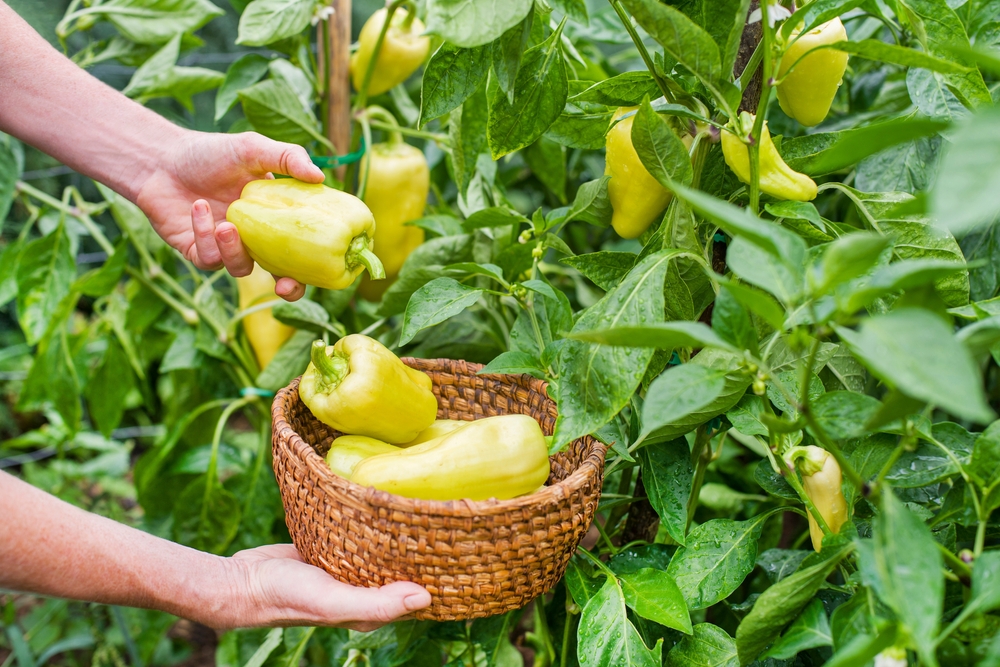
Peppers often appreciate the extra stretch of warm weather that lingers after summer’s worst heat, and established plants can continue producing flowers and fruit well into fall. The catch comes when nighttime temperatures fall consistently, because peppers dislike cold conditions and frost can quickly damage the plants.
Keep harvesting peppers as they reach the desired size, even if they have not developed their final mature color. Leaving every pepper on the plant for a long time can slow the plant’s ability to put energy into additional fruit. When a frost warning appears, pick the usable peppers rather than gambling on one more warm afternoon.
3. Green Beans
Green beans can keep the harvest basket busy after other summer crops start looking exhausted, especially when plants still carry healthy foliage and fresh blossoms. Bush beans generally have a shorter harvest window, while pole beans can continue producing over a longer stretch when conditions cooperate.
Frequent picking matters because mature pods left on the plant signal the end of the reproductive party. Check under the leaves, too, because beans possess a remarkable talent for hiding exactly where gardeners forget to look. Since green beans do not tolerate frost, harvest the remaining crop before a hard freeze threatens.
4. Cucumbers
Cucumbers can remain remarkably productive in late summer if vines still have healthy leaves, adequate moisture, and plenty of flowers. Unfortunately, cucumbers rank among the most cold-sensitive garden vegetables, so a sudden chilly spell can shut down the party much faster than gardeners expect.
Pick cucumbers frequently rather than allowing oversized fruits to linger on the vine. Removing mature cucumbers gives the plant a better chance to keep producing additional usable fruit while warm weather remains. Keep an eye on nighttime temperatures, because cucumber vines rarely negotiate gracefully with frost.
5. Zucchini
Zucchini has a reputation for producing enough fruit to make a gardener question every planting decision made in May, but production can slow considerably as temperatures cool. Healthy plants may still send out new flowers in late summer, giving gardeners another round of squash before frost ends the season.
Pick zucchini while the fruits remain tender and check plants often because hidden squash can become baseball-bat-sized with astonishing speed. Remove heavily diseased leaves and keep watering when the soil dries, particularly during lingering warm spells. Once frost damages the plant, though, there is little reason to keep it around, so harvest usable squash beforehand.
6. Swiss Chard
Swiss chard makes an excellent bridge between the summer garden and the cooler-season garden because gardeners harvest the leaves rather than waiting for a single finished crop. It handles cooler conditions better than many warm-season vegetables, and established plants can continue supplying leaves after summer’s heat fades.
Harvest the outer leaves first and leave the smaller central leaves intact for continued growth. Regular picking also keeps the plant looking less like an overgrown science experiment and more like dinner. In many gardens, chard can remain useful well after tender summer vegetables have surrendered to cold weather.
7. Kale
Kale practically changes personalities when the weather cools, because it handles frost far better than tomatoes, peppers, cucumbers, and beans. Cool temperatures can improve the eating quality of kale, making fall an especially useful season for harvesting tender leaves.
Pick the lower or outer leaves as needed and allow the growing center to continue producing new foliage. A healthy kale plant can become one of the garden’s most dependable late-season crops, particularly when summer vegetables begin disappearing. Gardeners in colder areas can also use row covers or other season-extending methods to provide additional protection during chilly nights.
8. Basil
Basil represents the slightly dramatic member of this group because it loves warmth and can collapse quickly when cold nights arrive. Oregon State University Extension recommends harvesting basil before nighttime temperatures fall below 50 degrees Fahrenheit, which makes late summer the perfect time to start using those leaves generously.
Pinch or cut stems above leaf pairs to encourage fresh branching while warm conditions remain. When cooler nights appear in the forecast, harvest a larger batch instead of waiting for frost to turn those beautiful leaves into blackened mush. Pesto, chopped frozen basil, and dried leaves can preserve the summer flavor long after the plant leaves the garden.
The Garden May Have More Time Left Than It Looks
The biggest mistake at the end of summer involves treating the calendar like a command rather than checking what the plants are actually doing. Tomatoes, peppers, beans, cucumbers, and zucchini can continue producing while warm weather lasts, while chard and kale can carry the harvest deeper into cool weather.
The first frost ultimately sets the deadline for tender crops, but gardeners can stretch the season by harvesting regularly, removing damaged growth, maintaining soil moisture, and using row covers when appropriate. There is no prize for clearing a productive garden bed early, so let the plants finish their work before reaching for the garden fork.
What is still producing in the garden right now, and which plant has surprised you by hanging on the longest?
You May Also Like…
6 Soil Tests Worth Doing Before You Buy Fall Fertilizer
Best Cover Crops for Small Gardens After Summer Harvest
Why Gardeners Should Track Soil Temps in Autumn
12 Soil Problems Fixed Best in Autumn
How Much Water Does a Garden Need During Late-Summer Heat?

Brandon Marcus is a staff writer for FrugalGardening.com at District Media, Inc., where he delivers practical gardening advice with a relatable, no-nonsense style. An avid amateur gardener, he holds a BA degree and with over ten years of professional writing experience, he is also an award-winning published author whose first book, Questions For Deep Thinkers, was released by Adams Media. His work has appeared in major publications including Fandom.com, CHUD.com, TheColdWire.com, and Fansided.com.
Leave a Reply