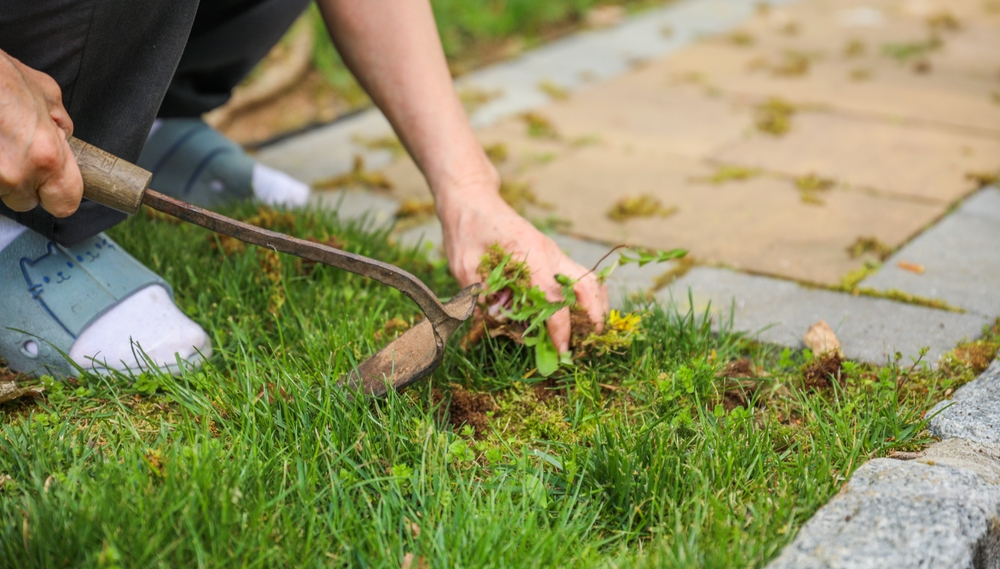
Late summer can reveal the plants that spent June and July quietly plotting a takeover. Before grabbing the garden gloves and yanking every unfamiliar green thing from the soil, take a closer look, because some weeds deserve a proper identification first.
A few may irritate allergies, some can produce an astonishing number of seeds, and others can cause trouble simply because they look harmless until their roots settle in. A quick ID can also prevent the classic gardening mistake of pulling one plant while leaving its much more troublesome lookalike behind.
1. Common Ragweed Can Look Innocent Until It Starts Making Pollen
Common ragweed rarely wins beauty contests, which probably explains why it often sneaks through the garden unnoticed until late summer. The plant grows upright with branching stems and deeply divided leaves that can look somewhat fernlike, while its small greenish flowers lack the flashy petals gardeners usually associate with flowering plants.
Identification matters because common ragweed produces pollen during late summer and fall, when seasonal allergies already have plenty of ammunition. Pulling young plants before flowering can reduce local pollen production, but gardeners should wear gloves and avoid shaking mature plants around, since disturbing flowering plants can spread pollen. Common ragweed also belongs to the summer annual crowd, so preventing seed production matters if the goal involves fewer surprises next year.
2. Common Purslane Looks Like a Tiny Succulent That Crashed the Garden Party
Common purslane loves hot, sunny spots and often forms a low, spreading mat rather than standing upright like many garden weeds. Its thick, fleshy leaves and reddish-green succulent stems provide the giveaway, while its small yellow flowers often appear during late summer.
Purslane needs identification because gardeners sometimes mistake it for prostrate spurge or knotweed, and the difference matters when deciding what to remove. It also creates a special annoyance when chopped into pieces, because broken stems can produce roots at their nodes under suitable conditions. Hand-pulling works well, but removing the entire plant before it sets seed gives the garden a much better head start.
3. Common Lambsquarters Hides a Useful Clue on Its Leaves
Common lambsquarters often pops up in vegetable beds, disturbed soil and other places where gardeners would rather see tomatoes than mystery plants. Young leaves often carry a distinctive grayish or white, mealy appearance, while mature plants grow upright and develop small greenish flower clusters that lack showy petals.
That pale coating provides one of the easiest clues for identification, especially when the plant has reached an awkward adolescent stage. Lambsquarters counts as a summer annual, so a plant that reaches the seed-making stage can turn one garden problem into a much larger springtime reunion. Pulling or hoeing it before seed production makes sense in cultivated beds, particularly around young vegetables competing for water, nutrients and sunlight.
4. Pigweed Deserves More Attention Than Its Unassuming Name Suggests
“Pigweed” covers several amaranth species, and that name creates a problem of its own because different species can look remarkably similar. Redroot pigweed, for example, grows upright with alternate leaves, fine hairs across the plant and a reddish taproot, while other amaranths such as Palmer amaranth show different features that make accurate identification especially important.
Gardeners should pay particular attention when pigweed appears late in the season and starts producing flowers or seeds. Some amaranths produce huge numbers of seeds, and Palmer amaranth deserves special caution because it has become an invasive weed in Minnesota and can develop herbicide resistance. In a home garden, removing an unidentified pigweed early can make sense, but confirming the species first becomes especially valuable in areas where problematic amaranths occur.
5. Broadleaf Plantain Laughs at Mowing
Broadleaf plantain looks almost too ordinary to deserve a spot on a weed watchlist, yet its broad oval leaves and low-growing rosette allow it to blend into lawns and garden edges with impressive efficiency. Strong veins radiate from the base of each leaf, and slender greenish flower spikes rise from the center of the rosette.
The plant also tolerates compacted soil, wet conditions and dry conditions, which explains why it often appears in areas where grass struggles. Broadleaf plantain grows as a perennial, so simply chopping off the leaves does not solve the underlying problem. Hand-pulling works best when the soil feels moist and the gardener removes the root system rather than leaving the crown behind.
6. Pokeweed Looks Dramatic, and Its Berries Mean Business
Common pokeweed stands out once it reaches maturity, with tall stems, large leaves, reddish stems and clusters of flowers that eventually give way to dark purple-black berries. The plant can reach several feet in height and often looks more like a small shrub than the average garden weed, which makes its sudden appearance particularly theatrical.
Pokeweed requires more caution than a casual yank-and-toss approach because its berries, roots and young leaves contain toxic compounds, and children or pets should not snack on the tempting fruit. Established plants also develop a large taproot that makes removal harder once the plant gains size. Gloves make sense during removal, and gardeners should bag mature fruit-bearing plants carefully so the berries do not scatter seeds around the property.
The Five-Minute Weed Inspection That Saves Future Headaches
Late summer offers an excellent opportunity to patrol garden beds before weeds finish their reproductive work for the season. Instead of automatically pulling every unfamiliar plant, check the leaf shape, stem color, growth habit, flowers, berries and root structure when practical. That tiny inspection can separate a harmless volunteer from a pollen producer, a persistent perennial or a plant that requires extra handling care.
Timing also matters because many summer annual weeds approach the end of their growing cycle as the season winds down. Removing them before seed production can reduce next year’s weed pressure, while perennial weeds often require attention to the root system as well. A garden does not need a detective’s magnifying glass, but it does benefit from a gardener who pauses for a closer look before reaching for the trowel.
Which end-of-summer weed keeps turning up in the garden, and which one has surprised you the most?
7 Late-Summer Garden Checks That Can Prevent Winter Damage
Where Can Gardeners Find Free Mulch in Late Summer?
The Gardening Habit That Can Reduce Weeds Naturally
Mulching Magic: Budget-Friendly Ways To Conserve Water And Suppress Weeds
Stop Pulling These ‘Weeds’—Comfrey and Nettles Can Fertilize Your Garden

Brandon Marcus is a staff writer for FrugalGardening.com at District Media, Inc., where he delivers practical gardening advice with a relatable, no-nonsense style. An avid amateur gardener, he holds a BA degree and with over ten years of professional writing experience, he is also an award-winning published author whose first book, Questions For Deep Thinkers, was released by Adams Media. His work has appeared in major publications including Fandom.com, CHUD.com, TheColdWire.com, and Fansided.com.
Leave a Reply