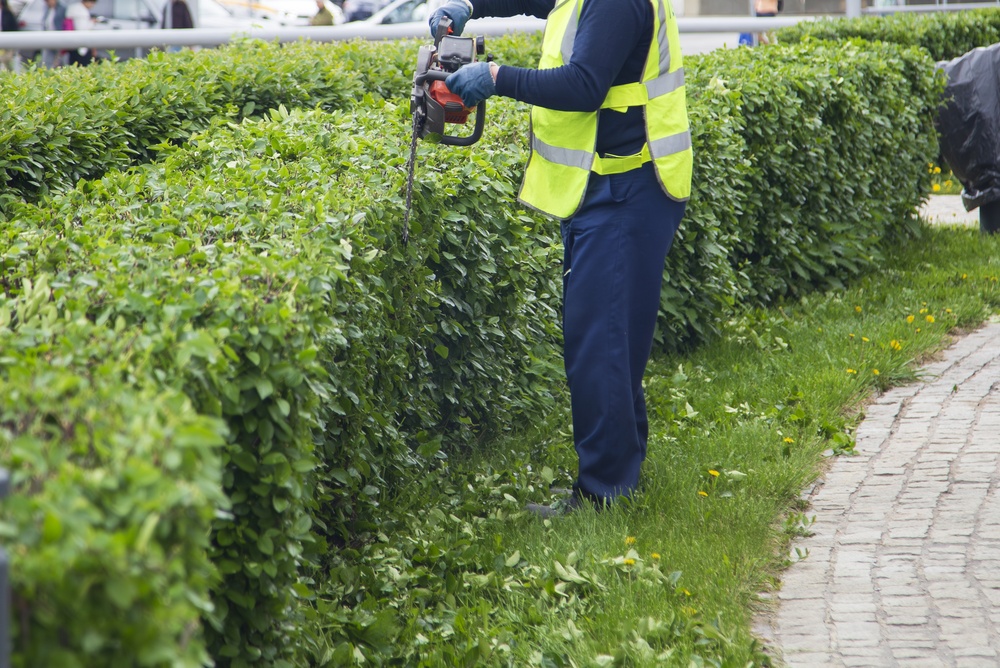
A fire-safe garden does not require turning the yard into a gravel parking lot or sending every beloved shrub to the chipper. Smart landscaping can reduce wildfire risk while keeping flowers, greenery, shade, privacy, and plenty of garden personality. The trick involves changing how plants sit, how much dead material they carry, and how close combustible vegetation gets to the house.
That distinction matters because wildfire does not judge a garden by its beauty points. A dense wall of shrubs, dry leaves, low tree branches, and woody mulch can create a continuous path for flames and embers. Fortunately, fire-safe landscaping focuses less on owning a barren yard and more on breaking up that path, especially around the home.
Keep the Shrubs, But Give Them Some Elbow Room
Shrubs can remain part of a fire-conscious landscape, provided gardeners avoid creating dense, continuous masses of vegetation. Separating individual shrubs and small plant groups creates gaps that can interrupt the movement of fire through the landscape. The exact spacing depends on plant size, terrain, slope, and local guidance, so a flat yard should not automatically follow the same spacing plan as a steep hillside.
That means the overgrown hedge beside the house deserves more scrutiny than the cheerful shrub sitting alone beside a path. A gardener might thin a crowded planting, remove one especially dense plant, or move a replacement farther from the structure instead of clearing the entire border. Vertical spacing matters too, because flames can move upward when shrubs sit beneath tree branches and create what firefighters call ladder fuels.
Start With the Space Closest to the House
The area immediately next to the house deserves the toughest treatment because embers can land in small pockets around decks, windows, walls, and other vulnerable features. Current guidance commonly recommends keeping the first few feet around a structure free of combustible vegetation and materials whenever possible, with especially careful management extending farther into the landscape.
A stone path, gravel strip, concrete edging, or other noncombustible surface can create a useful transition between the building and the garden. That does not mean every plant must disappear from the property, but shrubs directly under eaves or against walls deserve serious reconsideration. The same logic applies to dry leaves, pine needles, dead stems, fallen twigs, and firewood, because all those little bits can give an ember something to eat.
Pick Plants for Their Habits, Not Just Their Looks
No plant earns a magical “fireproof” label, and even plants with fire-resistant characteristics can burn when drought-stressed, neglected, or surrounded by dry fuel. Oregon State University Extension notes that many healthy deciduous shrubs and trees offer better fire resistance than highly flammable choices such as junipers, while plant moisture, dead material, age, structure, and chemical content all influence fire behavior.
Gardeners should therefore look beyond a plant tag that promises flowers, fragrance, or year-round color. Plants with moist foliage, less resinous material, open branching, and manageable growth habits can fit more comfortably into a fire-conscious landscape when gardeners maintain them properly. Local growing conditions still matter, so a plant that makes sense in one region may perform poorly or become highly stressed somewhere else.
Pruning Can Matter More Than Plant Removal
A shrub does not automatically become a wildfire hazard simply because it occupies garden space. Dead branches, dried foliage, excessive density, and connections between shrubs and tree canopies create bigger concerns, which makes regular pruning a surprisingly powerful tool. Removing dead material from shrubs and trees reduces available fuel without forcing gardeners to erase healthy plants from the landscape.
Tree branches deserve particular attention when they approach roofs, chimneys, decks, or other structures. Gardeners should also inspect the hidden interior of shrubs, where dead twigs and dry foliage can accumulate unnoticed while the outside still looks perfectly green. A seasonal walk around the property can reveal these trouble spots before the garden turns into a dense, crispy tangle.
Mulch Can Turn a Pretty Border Into a Fuel Source
Mulch deserves a closer look because gardeners often think about it as a soil-improvement tool rather than a fire concern. Dry bark and wood-based mulches can ignite, particularly near structures, while recycled rubber mulch can also present significant fire concerns. Noncombustible materials such as gravel, rock, concrete, or pavers offer safer choices in the most vulnerable areas around a house.
That does not mean gardeners need to replace every square inch of mulch with a rock garden. A more sensible approach starts by prioritizing the area closest to the structure, then looking farther out for dry mulch piled against shrubs, decks, fences, or other combustible features. The garden can still have texture and color, but the design should avoid creating one uninterrupted buffet for an approaching fire.
A Fire-Safe Garden Still Looks Like a Garden
The best fire-conscious landscape does not look like someone emptied a hardware store onto the property. It can include flowering perennials, carefully selected shrubs, deciduous trees, lawn, paths, containers, raised beds, rock, and other features, provided gardeners arrange and maintain those elements with fire behavior in mind. Oregon State University Extension specifically notes that fire-wise landscapes can retain variation in color, texture, plant type, and privacy.
The biggest shift involves thinking of the garden as a series of connected or separated plant groups rather than one giant green mass. Keep the area closest to the home especially clean, create breaks between larger vegetation groups, remove dead material regularly, and replace particularly troublesome plants when necessary. A fire-safe garden therefore does not demand perfection or plant-free landscaping, but it does demand thoughtful placement, routine maintenance, and a willingness to sacrifice one problematic shrub when that shrub has become the garden’s resident fire hazard.
The Goal Isn’t a Barren Yard, It’s a Smarter One
A safer landscape starts with a simple question: what could carry fire toward the house? From there, gardeners can tackle the biggest problems first, especially vegetation touching structures, dense plant clusters, dead material, low branches, and combustible mulch near vulnerable areas. Local fire departments and fire agencies may have additional requirements, and terrain can change the spacing and maintenance approach, so local guidance should always get the final word.
That approach makes fire-safe gardening feel much less like destruction and much more like editing. Keep the good plants, move what sits too close, thin what has become overcrowded, prune what has accumulated dead material, and replace the truly troublesome specimens when necessary. The result can remain lush, colorful, useful, and distinctly garden-like while reducing some of the fuel that could help wildfire reach a home.
Could a few strategic changes make your own garden safer without sacrificing the plants you love most? Share your fire-smart landscaping ideas in the comments.
You May Also Like…
Why Are More Gardeners Designing Fire-Smart Borders?
Why Are Gardeners Adding Fire-Safe Planting Zones Around Homes?
Is It Safe to Compost Plants With Powdery Mildew?
6 Garden Tasks That Are Safer to Skip During Peak Afternoon Heat
7 Heat-Safe Garden Chores Worth Doing Before Breakfast

Brandon Marcus is a staff writer for FrugalGardening.com at District Media, Inc., where he delivers practical gardening advice with a relatable, no-nonsense style. An avid amateur gardener, he holds a BA degree and with over ten years of professional writing experience, he is also an award-winning published author whose first book, Questions For Deep Thinkers, was released by Adams Media. His work has appeared in major publications including Fandom.com, CHUD.com, TheColdWire.com, and Fansided.com.
Leave a Reply