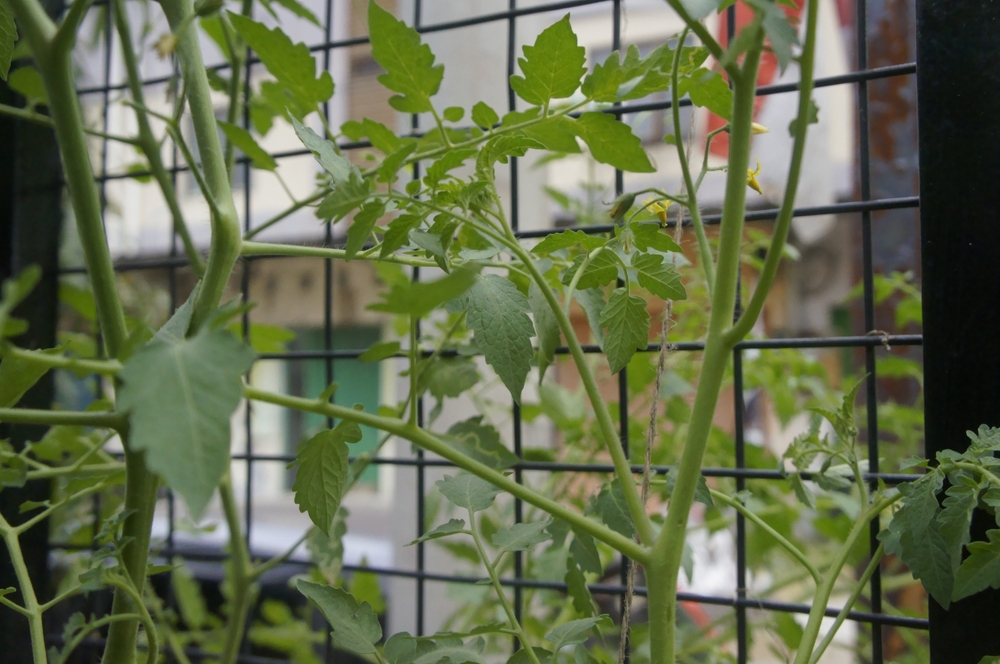
Vines can make a garden look like it has hired a professional stylist, right up until they finish blooming, turn brown, or retreat for the season. When that happens, all that wonderful vertical space can suddenly look awkwardly empty, but a faded vine does not mean the garden has to collapse into a flat sea of shrubs and mulch.
The good news is that adding height does not require an expensive garden makeover or a truckload of exotic plants. A few inexpensive structures, clever plant choices, and even materials gathered from the yard can keep the garden visually interesting long after the vines have packed their bags.
1. Let a Trellis Become the Star
A trellis does not have to spend its entire life covered in greenery to earn its place in the garden, and a simple wooden or metal trellis can create a strong vertical accent all by itself. Look for inexpensive versions at garden centers, reuse an old one, or build a basic frame from untreated cedar, bamboo poles, or other suitable garden materials. A trellis with an open design often looks particularly attractive during the dormant season because its shape creates a little architectural drama without demanding much attention.
Placement matters more than price, so tuck the trellis somewhere the eye naturally travels, such as at the end of a path or behind a low planting bed. A trellis can also support a small shrub or perennial nearby, giving the garden several layers instead of one giant wall of greenery.
2. Bring in Interesting Branches
Pruned branches can become surprisingly handsome garden sculpture, which gives that pile of yard debris a second career before it reaches the compost bin. Choose sturdy, healthy branches with interesting curves and bark, then push their lower ends securely into the soil or anchor them in a heavy container filled with gravel and potting mix. Birch, willow, dogwood, and other attractive woody stems can provide texture and shape, although gardeners should avoid collecting branches from plants that may carry disease or from questionable sources.
A cluster of several branches can create a loose, naturalistic screen, while one dramatic branch can act almost like a piece of outdoor art. Leave the arrangement simple rather than turning it into a backyard twig chandelier, because the goal involves creating height and structure, not launching a new craft fair.
3. Use Tall Containers Like Garden Exclamation Points
A tall container can solve the vertical-interest problem while giving gardeners complete control over placement, which makes it especially useful in small beds or patios. Search for clearance planters, secondhand containers, old wooden boxes, or sturdy decorative pots that can safely hold soil and plants. Containers need drainage holes, and gardeners should choose materials and sizes that can handle outdoor conditions without cracking or tipping easily.
Fill the container with a compact evergreen, ornamental grass, upright perennial, or seasonal plant that suits the site’s light and moisture conditions. Even an empty architectural container can contribute height during a dormant period, although a planted container usually offers more seasonal interest and gives pollinators, birds, or other garden visitors another reason to stop by.
4. Make Ornamental Grasses Do the Heavy Lifting
Ornamental grasses offer one of the easiest ways to create vertical structure because many varieties maintain attractive stems and seedheads after their peak growing season. Instead of cutting every grass down as soon as summer ends, check whether the particular variety benefits from leaving its foliage and flower stalks in place through winter. Upright grasses can soften fences, fill gaps behind shorter plants, and create movement whenever a breeze wanders through the garden.
The trick involves choosing a grass that fits the site rather than grabbing the tallest plant on the shelf and hoping for the best. Some grasses spread aggressively or escape cultivation in certain regions, so check local recommendations before planting, and consider clumping varieties when a tidy footprint matters. A single well-placed grass can look intentional, while a group can create a much stronger visual screen without requiring a complicated planting scheme.
5. Give Seedheads and Stems Their Moment
Garden cleanup often happens too aggressively, especially when brown foliage starts looking like an accusation. Many perennials produce attractive seedheads and sturdy stems that add height, texture, and winter interest, so gardeners can leave suitable plants standing until late winter or early spring instead of cutting everything immediately. Coneflower, black-eyed Susan, bee balm, ornamental alliums, and some other perennials can provide useful structure after their flowers disappear, although diseased foliage should leave the garden rather than linger for decoration.
Seedheads can also provide food for birds, while standing stems offer shelter for some beneficial insects during the colder months. That means delaying cleanup can create a garden that looks more interesting while also supporting wildlife, which feels like a pretty good return on a task that requires nothing more complicated than putting down the pruning shears.
Keep the Garden Looking Up
Vertical interest works best when it feels like part of the garden rather than an object dropped into an empty hole. Repeat a material or shape in a few places, such as using several simple trellises, matching containers, or similar branch structures, so the eye moves naturally through the space. Height also works better when gardeners combine different levels, placing tall elements behind medium-height plants and lower groundcovers or perennials in front.
There is no need to make every vertical feature permanent, either, because gardens benefit from a little seasonal rearranging. A container can move, a branch sculpture can change, and a trellis can support a completely different plant next year. The smartest budget garden often relies on adaptable pieces that can solve several problems instead of expensive decorations designed for one exact spot.
What low-cost trick do you use to keep your garden looking interesting after summer vines disappear?
You May Also Like…
Vertical PVC Gardening: Building a Space-Saving Food Tower
Turning Pallets into Gold: How to Build a Vertical Garden
7 Ways to Prepare a Garden Shed for Fall Without Buying Organizers
Are Ornamental Grasses Becoming the Backbone of Climate-Ready Gardens?
7 Frugal Garden Projects to Finish Before Daylight Shrinks

Brandon Marcus is a staff writer for FrugalGardening.com at District Media, Inc., where he delivers practical gardening advice with a relatable, no-nonsense style. An avid amateur gardener, he holds a BA degree and with over ten years of professional writing experience, he is also an award-winning published author whose first book, Questions For Deep Thinkers, was released by Adams Media. His work has appeared in major publications including Fandom.com, CHUD.com, TheColdWire.com, and Fansided.com.
Leave a Reply