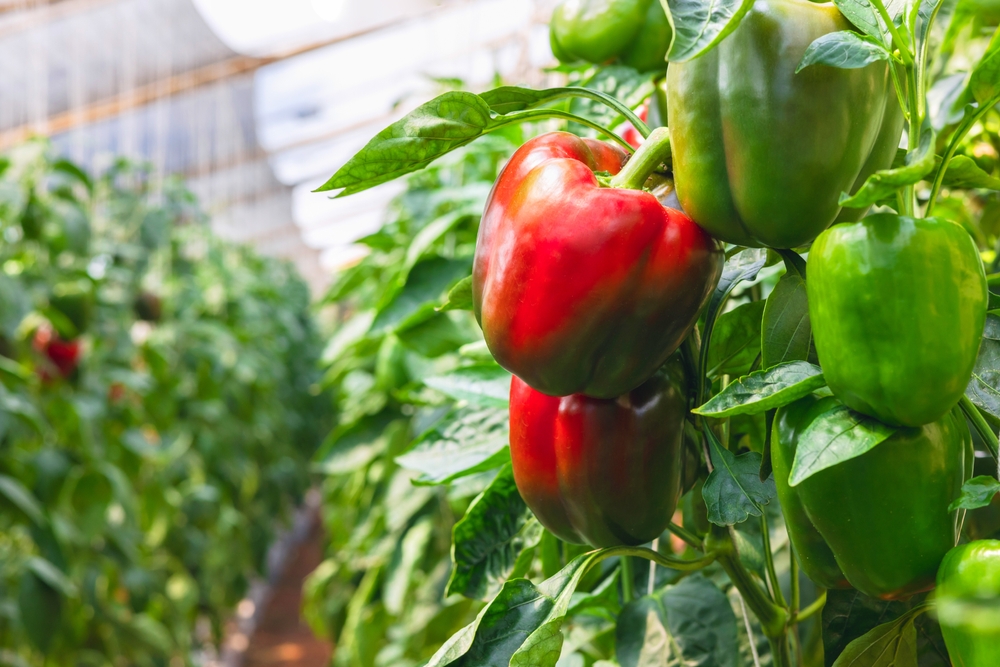
Pepper plants love to surprise gardeners. One week they look compact and tidy, and the next they carry so many glossy peppers that branches lean, bend, and sometimes snap right in the middle of the season. A plant that looked perfectly balanced in June can suddenly resemble a gymnast attempting an impossible pose by August.
That heavy harvest deserves protection. Supporting pepper plants keeps fruit off the ground, prevents broken stems, improves air circulation, and makes picking much easier. A few minutes spent adding the right support can save weeks of growing time and help every pepper reach the kitchen instead of the compost pile.
1. Use Sturdy Stakes Before Branches Start Leaning
A single wooden, bamboo, or fiberglass stake often provides all the support many pepper varieties need. Push the stake several inches into the soil a few inches away from the main stem, then secure the plant with soft garden ties, cloth strips, or stretchy plant tape that will not cut into the stem. Leave enough room for the stem to expand because pepper plants continue to grow throughout the season. Adding support before the plant starts falling keeps roots undisturbed and avoids the awkward wrestling match that happens once branches already droop under dozens of peppers. Gardeners who wait until stems crack usually discover that peppers refuse to pause their growth simply because someone forgot the stakes.
Large-fruited varieties such as bell peppers, poblanos, and many sweet roasting peppers benefit the most from staking because individual fruits can become surprisingly heavy. Check ties every couple of weeks and loosen them if stems begin pressing against the material. Soft ties prevent rubbing that can damage stems during windy weather. A properly staked pepper plant still moves gently in the breeze, but it no longer performs dramatic sideways dives after every rainstorm.
2. Surround Plants with Tomato Cages for All-Around Support
Tomato cages do not belong only in the tomato patch. Smaller cages create an excellent support system for peppers because they cradle branches from every direction instead of relying on a single upright stake. Slip the cage over young plants early in the season so growing stems naturally weave through the openings. The result looks neat while giving developing fruit plenty of room.
Gardeners often underestimate how much weight pepper branches can carry until every branch decides to lean in a different direction. A cage catches those wandering limbs before they reach the soil and protects peppers from rot, insects, and slug damage that often increase when fruit rests on damp ground. Wire cages also make harvesting simple because ripe peppers remain visible instead of hiding beneath a tangled pile of stems.
3. Add Extra Branch Support Where Fruit Clusters Develop
Some pepper plants grow one especially ambitious branch that produces what seems like half the harvest. That overloaded limb often needs its own support even if the rest of the plant stands perfectly upright. A slim bamboo stake, a short dowel, or a small support stick placed beneath that branch can prevent a heartbreaking snap just before harvest. Giving that branch a helping hand often preserves dozens of peppers.
Gardeners sometimes focus only on the main stem, but side branches frequently carry the greatest weight. Check plants after periods of rapid growth or following heavy rain because peppers absorb water quickly and fruit can become noticeably heavier. A quick inspection every few days allows small adjustments before minor bends become major breaks. That habit takes only minutes and often saves the most productive parts of the plant.
4. Keep Plants Balanced with Smart Pruning and Harvesting
Support does not always come from stakes and cages. Removing damaged leaves, crowded shoots, or weak lower growth helps pepper plants distribute weight more evenly while improving airflow around the canopy. The goal never involves stripping the plant bare. Instead, careful trimming encourages stronger branch structure without reducing production.
Regular harvesting also changes the equation. Fully ripe peppers add surprising weight, especially when several mature at once. Picking ripe fruit every few days reduces stress on branches while encouraging many pepper varieties to continue producing new blossoms and additional fruit. Gardeners sometimes admire colorful peppers for too long, but leaving every ripe pepper hanging turns branches into overloaded shelves that eventually surrender to gravity.
5. Protect Supported Plants from Wind and Heavy Weather
Even the strongest stake cannot defeat a summer thunderstorm if the entire plant rocks back and forth for hours. Position pepper plants where fences, shrubs, or other garden structures reduce strong wind whenever possible. Container-grown peppers deserve extra attention because pots tip more easily than plants rooted in garden beds. Moving containers into a sheltered location before severe weather often prevents broken stems and spilled soil.
After storms pass, inspect supports instead of assuming everything survived intact. Tighten loose ties, straighten leaning stakes, and remove broken branches with clean pruners to reduce disease risk. Pepper plants recover surprisingly well when gardeners act quickly. A few minutes of maintenance after rough weather often keeps the harvest rolling through the rest of the growing season instead of ending it early.
A Little Support Leads to a Much Bigger Harvest
Pepper plants rarely complain before branches give way. They simply keep producing more fruit until gravity finally wins, leaving gardeners staring at broken stems that carried weeks of future harvests. Fortunately, simple supports added at the right time prevent most of those problems without much effort.
Whether the solution involves a sturdy stake, a tomato cage, extra branch supports, thoughtful pruning, or protection from rough weather, every method shares the same goal. Healthy stems hold peppers higher, cleaner, and safer while making every harvest easier. A little planning early in the season often pays off with baskets full of beautiful peppers instead of branches lying across the garden bed.
What has worked best for keeping pepper plants upright in the garden? Share favorite support tricks or clever homemade solutions in the comments below.
You May Also Like…
Why Are Gardeners Adding Keystone Plants to Ordinary Backyards?
5 Ways to Prevent Sunscald on Peppers and Eggplants
Why Your Toaster Scraps are the Secret to Gigantic Peppers
Can You Use Pruned Herb Stems to Start Free New Plants?
5 Ways to Make a Small Garden Feel Cooler Without Adding Trees

Brandon Marcus is a staff writer for FrugalGardening.com at District Media, Inc., where he delivers practical gardening advice with a relatable, no-nonsense style. An avid amateur gardener, he holds a BA degree and with over ten years of professional writing experience, he is also an award-winning published author whose first book, Questions For Deep Thinkers, was released by Adams Media. His work has appeared in major publications including Fandom.com, CHUD.com, TheColdWire.com, and Fansided.com.
Leave a Reply