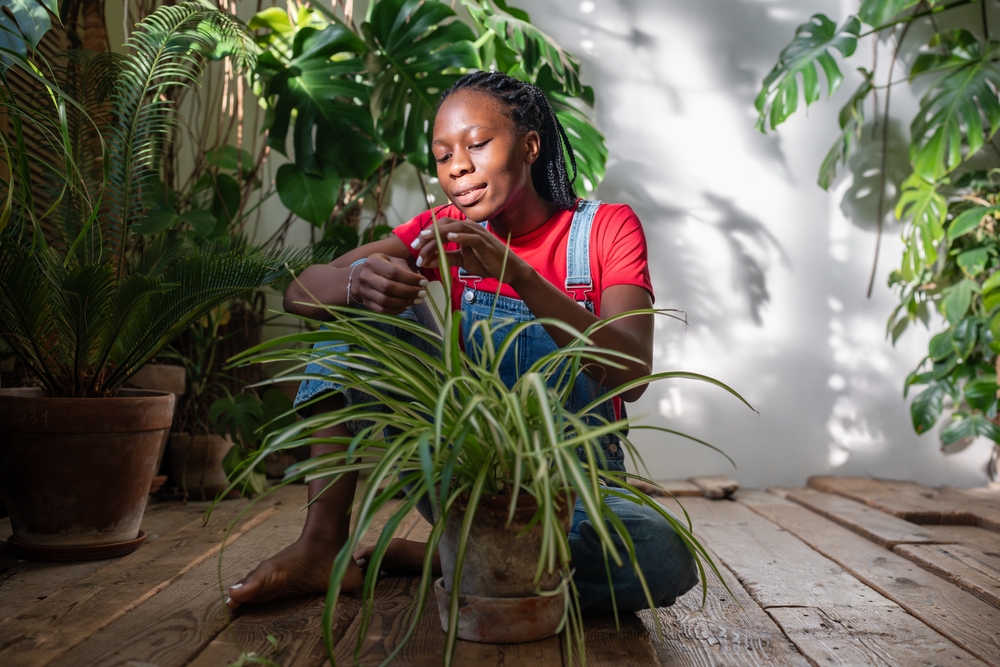
The moment warm weather settles in, a quiet migration begins. Spider plants, pothos, rubber trees, peace lilies, and dozens of other favorite houseplants leave windowsills and living rooms for porches, patios, balconies, and shady garden corners. That seasonal move may seem like a gardening trend, but it actually gives many indoor plants a chance to enjoy conditions that resemble their natural environments far more closely than life inside a house.
Summer can offer brighter light, fresh air, gentle rain, and higher humidity, all of which encourage stronger growth for many tropical plants. The trick involves moving them outside at the right time and treating them more like vacationers than permanent residents. A little planning turns a seasonal outing into healthier foliage instead of crispy leaves and disappointed gardeners.
Fresh Air Gives Indoor Plants a Natural Boost
Many popular houseplants originated in tropical or subtropical forests where moving air, warm temperatures, and frequent moisture shaped their growing habits. Indoor spaces rarely recreate those conditions because heating, air conditioning, and limited airflow keep the environment relatively stagnant. A summer stay outdoors exposes plants to gentle breezes that strengthen stems and improve air circulation around leaves.
Natural humidity also makes a noticeable difference. Bathrooms often receive credit as great places for tropical plants because of the moisture from showers, yet an outdoor patio during a humid summer morning frequently offers even better conditions. Plants that struggled with dry leaf edges indoors often produce larger leaves, richer color, and stronger new growth after spending several months outside in suitable conditions.
Sunlight Needs a Gentle Introduction
One mistake sends countless healthy houseplants into panic mode every summer. Gardeners carry a plant from a dim living room and place it directly into full afternoon sun, only to discover bleached leaves within hours. Indoor leaves simply cannot handle that sudden jump in light intensity.
Successful gardeners harden off houseplants gradually over one to two weeks. They begin in bright shade, then slowly introduce a little more filtered morning sunlight each day if the plant tolerates it. Even species that enjoy brighter conditions indoors, including fiddle leaf figs and rubber plants, often perform better with morning sun and afternoon shade than relentless midday heat.
Rain, Wind, and Wildlife Create New Challenges
Summer weather delivers wonderful benefits, but it also introduces surprises that never appear inside the home. Heavy rain can oversaturate containers if drainage holes become blocked, while strong winds may knock over tall pots or snap tender stems. Placing containers where they receive protection from severe storms helps prevent unnecessary damage.
Outdoor life also introduces curious visitors. Aphids, spider mites, scale insects, mealybugs, caterpillars, slugs, and even squirrels may suddenly show interest in plants that enjoyed months of peaceful indoor living. Regular inspections make all the difference because catching pests early allows gardeners to remove them before small problems become major infestations that follow the plants back indoors.
Not Every Houseplant Wants a Summer Vacation
Despite the seasonal excitement, some plants simply prefer staying inside. Low-light species that evolved beneath dense forest canopies sometimes struggle outdoors even in shaded locations because reflected light outdoors still exceeds indoor conditions by a wide margin. Sensitive plants may also dislike fluctuating temperatures or windy patios.
Temperature matters just as much as sunlight. Most tropical houseplants appreciate daytime warmth but dislike cool nights below about 55°F. Gardeners usually wait until nighttime temperatures remain consistently warm before moving plants outdoors, and they reverse the process well before chilly autumn evenings arrive. That careful timing reduces stress and prevents cold damage that may not appear until weeks later.
A Little Maintenance Goes a Long Way
Summer growth often means houseplants use more water than they did indoors. Gardeners who watered once every week may suddenly find containers drying within a few days, especially during heat waves. Rather than watering on a fixed schedule, checking soil moisture with a finger remains the most reliable method because every location dries at a different rate.
Feeding also deserves attention during active growth. Many gardeners apply a balanced liquid fertilizer according to label directions throughout the growing season to support fresh leaves and healthy roots. Regular grooming also keeps plants looking their best because removing yellow leaves, wiping away dirt after storms, and rotating containers every couple of weeks encourages even growth instead of leaning toward one direction.
Bringing Plants Back Inside Takes Planning
Summer eventually ends, and that final move indoors deserves just as much care as the trip outside. Gardeners often inspect every pot carefully for insects hiding beneath leaves, around stems, or inside drainage holes before carrying plants through the front door. A gentle rinse with water or appropriate treatment for any pests helps avoid unwelcome surprises several weeks later.
Plants also need time to readjust to indoor conditions. Bright outdoor light disappears quickly once autumn arrives, so temporary leaf drop or slower growth often occurs as plants adapt. Gradually moving containers into shadier outdoor spots before bringing them inside softens that transition and helps many houseplants settle back into indoor life with far less stress.
Give Houseplants Their Best Summer Yet
Moving houseplants outdoors for the summer does not simply change the scenery. Done correctly, it encourages stronger stems, fuller foliage, healthier roots, and more vigorous growth while giving plants access to conditions that many indoor spaces cannot provide. Success depends on gradual transitions, careful placement, routine inspections, and bringing plants inside before cool weather arrives. Those simple habits allow gardeners to enjoy healthier plants all year while avoiding the common mistakes that turn a seasonal adventure into a stressful rescue mission.
What houseplants spend the summer outside at your home, and which ones refuse to leave their favorite spot indoors? Share your experiences and favorite seasonal plant care tips in the comments below.
You May Also Like…
7 Sun-Loving Houseplants That Actually Refuse To Die In Direct Light
8 Houseplants That Don’t Need A Lot Of Light
12 Bulbs You Can Force Indoors for Blooms Before Valentine’s Day
How to Start Seeds Indoors on a Tight Budget Without Wasting Money
These Indoor Greenhouses Are Failing Seedlings in Cold Snaps

Brandon Marcus is a staff writer for FrugalGardening.com at District Media, Inc., where he delivers practical gardening advice with a relatable, no-nonsense style. An avid amateur gardener, he holds a BA degree and with over ten years of professional writing experience, he is also an award-winning published author whose first book, Questions For Deep Thinkers, was released by Adams Media. His work has appeared in major publications including Fandom.com, CHUD.com, TheColdWire.com, and Fansided.com.
Leave a Reply