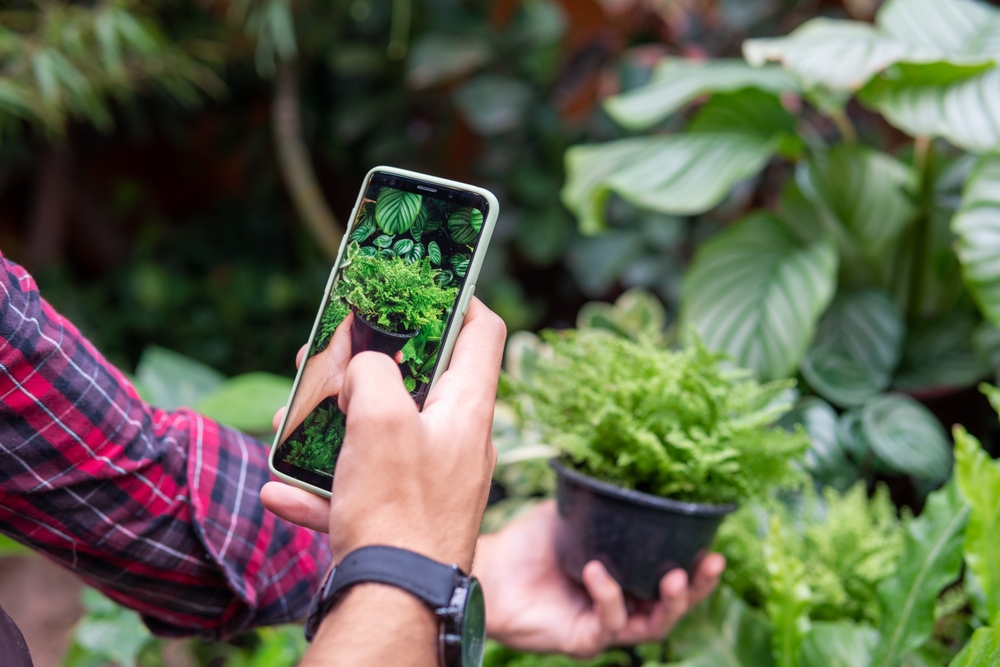
Every gardener feels the urge to grab a spray bottle, fertilizer, or pruning shears the moment a favorite plant starts looking sick. That quick reaction often comes from good intentions, but it can also make the real problem harder to identify. A simple photo taken before any treatment preserves valuable clues that disappear within hours or days.
That single habit can save money, protect healthy plants, and prevent unnecessary treatments. A clear collection of photos also creates a personal garden history that makes future problems much easier to recognize. Instead of relying on memory, gardeners gain a visual record that tells the story of what actually happened.
A Camera Captures Clues That Eyes Often Miss
Plant problems change quickly once treatment begins, when weather shifts, or when insects move on. A photograph freezes details such as leaf spots, insect damage, stem discoloration, or unusual growth patterns before they disappear. Those tiny details often point toward the real cause instead of leading to an expensive guessing game. Close-up images of leaves, stems, flowers, and the surrounding soil provide far more information than memory alone. Even a smartphone camera can capture enough detail to reveal patterns that become obvious only after taking a second look.
Pictures also encourage gardeners to slow down instead of reacting immediately. That extra minute often prevents common mistakes such as spraying fungicide on insect damage or adding fertilizer to a plant that actually suffers from overwatering. Many plant issues share similar symptoms at first glance, but small differences tell completely different stories. Yellow leaves might signal nutrient deficiencies, root rot, drought stress, herbicide drift, or natural aging, depending on where they appear and how they develop. Good photographs preserve those important details before the evidence changes.
Photos Make It Easier to Find the Right Diagnosis
Gardeners rarely solve difficult plant problems alone anymore. Local extension offices, master gardener programs, garden centers, and online gardening communities frequently help identify diseases and pests from clear images. A sharp photo taken before treatment gives those resources a much better chance of offering accurate guidance.
The most useful photo set includes more than one angle. Start with a picture of the entire plant to show its overall condition. Add close-ups of damaged leaves, stems, flowers, fruit, and any insects that appear nearby. Take one image of the soil surface and another showing neighboring plants. That combination helps reveal whether the issue affects only one plant or spreads through an entire bed. Better information almost always leads to better advice.
A Garden Photo Library Becomes a Powerful Tool
Many garden problems return during the same season each year. Powdery mildew often appears after warm days and humid nights. Tomato diseases frequently develop after long periods of wet foliage. Certain insect pests arrive just as specific plants begin flowering. A growing collection of dated photos creates a visual calendar that helps gardeners spot these repeating patterns.
That personal archive also shows what worked and what failed. One season may reveal that hand-picking hornworms solved the problem without additional products. Another year might show that improved watering practices stopped blossom end rot from spreading. Those lessons become much easier to remember with photographs than with handwritten notes alone. Over several growing seasons, a simple phone album transforms into one of the most useful gardening references available.
Pictures Help Prevent Costly Treatment Mistakes
Garden stores offer shelves packed with products promising quick fixes, but no product solves the wrong problem. Applying insecticide to a fungal disease wastes money and leaves the real issue untouched. Spraying fungicide on heat stress creates the same disappointing result. Photographs encourage careful observation before reaching for a treatment.
They also reduce the temptation to treat every damaged leaf as an emergency. Some leaf spots remain cosmetic and never threaten the plant’s health. Certain insects actually benefit the garden despite their unusual appearance. A photo provides time to identify both friends and foes before taking action. That thoughtful approach protects beneficial insects such as lady beetles, lacewings, and pollinators while avoiding unnecessary chemical use. Better decisions almost always begin with better information.
Build Better Gardening Habits One Photo at a Time
Making photography part of the gardening routine requires almost no extra effort. Keep a phone nearby during regular garden walks and snap pictures whenever something looks unusual. Natural daylight produces the clearest images, especially during the morning or late afternoon. Avoid blurry shots by holding the camera steady and taking several photos from different distances.
Adding the date and plant variety to a note or photo album creates even more value later. A tomato labeled “Cherokee Purple” may react differently than a nearby cherry tomato, and those details matter when comparing future seasons. Gardeners who photograph problems consistently often notice improvements in their observation skills as well. They begin spotting early warning signs before serious damage develops, making the entire garden healthier over time.
Let the Evidence Speak Before the Spray Bottle
Great gardeners rarely rely on guesswork. They collect clues, compare symptoms, and choose treatments that match the actual problem instead of making hopeful assumptions. A simple photograph takes only seconds, yet it preserves valuable evidence that can save an entire harvest.
That small habit also builds confidence with every growing season. Each image adds another lesson, another success story, or another mystery solved through careful observation. Before reaching for any fertilizer, pesticide, fungicide, or pruning tool, let the camera do its job first. The best treatment often begins with the best picture.
Do photographs play a role in solving problems in the garden, or has a single picture ever helped identify a mystery pest or disease? Share favorite tips or experiences in the comments below.
You May Also Like…
5 Disease Prevention Tips That Actually Work
March Seedling Diseases to Watch For
9 Backyard Habits That Can Accidentally Invite Pests
Extreme Heat Is Changing Work and Outdoor Routines, Gardeners Need a Safer Schedule Too
Why Your Compost Bin Could Be Breeding a Fungus That Kills Seedlings

Brandon Marcus is a staff writer for FrugalGardening.com at District Media, Inc., where he delivers practical gardening advice with a relatable, no-nonsense style. An avid amateur gardener, he holds a BA degree and with over ten years of professional writing experience, he is also an award-winning published author whose first book, Questions For Deep Thinkers, was released by Adams Media. His work has appeared in major publications including Fandom.com, CHUD.com, TheColdWire.com, and Fansided.com.
Leave a Reply