Nothing ruins a relaxing evening outdoors faster than a cloud of hungry mosquitoes. While no plant creates an invisible force field that sends every mosquito packing, several affordable favorites release fragrant oils that mosquitoes dislike when the leaves get brushed, crushed, or disturbed. Better yet, many of these plants cost less than a takeout meal and pull double duty by adding color, texture, or fresh herbs to the garden.
The secret lies in realistic expectations. A few well-placed plants will not eliminate mosquitoes from an entire yard, but they can become one useful piece of a larger strategy that includes removing standing water, keeping grass trimmed, and encouraging airflow around patios.
Basil Brings Flavor and a Fresh Scent
Sweet basil deserves far more credit than it usually receives. This inexpensive herb grows quickly from young plants or seed, fills containers with lush green leaves, and releases a strong aroma whenever someone brushes past it. Mosquitoes tend to avoid that scent, especially around patios where people frequently touch or harvest the leaves. As an added bonus, basil supplies fresh ingredients for pasta, salads, pizza, and homemade pesto all season long.
Basil appreciates warm weather, regular watering, and plenty of sunshine. Gardeners often place several pots near outdoor seating instead of relying on one lonely plant in the corner of the yard. Frequent harvesting encourages bushier growth, which means even more fragrant leaves. That simple habit turns a budget-friendly herb into one of the hardest-working plants in the garden.
Marigolds Add Bright Color While Helping Deter Pests
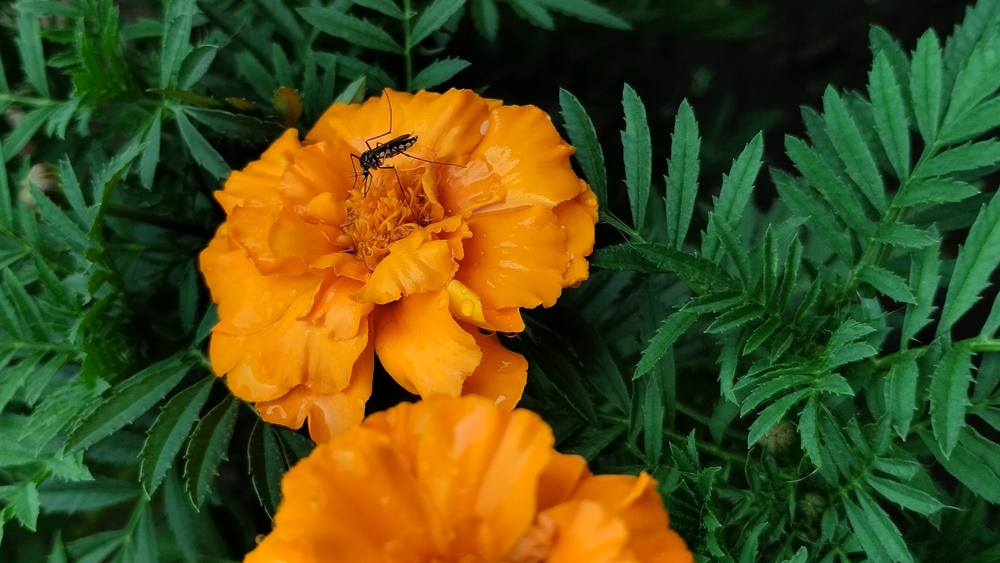
Marigolds brighten flower beds with cheerful yellow, orange, and golden blooms that last for months. Garden centers often sell them at very affordable prices, making them one of the easiest flowers to add in large numbers without draining the wallet. Their distinctive scent comes from natural compounds in the foliage and flowers that many insects, including mosquitoes, find unpleasant. The colorful display also attracts pollinators such as bees and butterflies.
Plant marigolds around patios, vegetable gardens, or walkways where people spend time outdoors. Deadheading spent flowers encourages fresh blooms throughout the growing season and keeps the plants looking tidy. Pairing marigolds with herbs such as basil creates an attractive combination that looks intentional instead of purely functional. That mix delivers beauty and practical value at the same time.
Lavender Offers Fragrance That People Love
Lavender earns plenty of attention for its soothing fragrance, but mosquitoes do not share that admiration. The plant produces aromatic oils that become more noticeable on warm afternoons or after someone gently brushes the stems. Many gardeners enjoy placing lavender near patios, garden paths, or seating areas where the pleasant scent drifts through the air. Even after harvest, dried lavender continues adding fragrance indoors.
This perennial prefers full sun and well-drained soil. Too much moisture often causes more trouble than too little, so gardeners should avoid overwatering established plants. Once settled into the landscape, lavender asks for relatively little maintenance while rewarding the garden with purple flowers and silvery foliage. Few inexpensive plants offer such a combination of elegance and usefulness.
Lemon Balm Delivers Citrus Aroma on a Budget
Lemon balm belongs to the mint family, so it grows enthusiastically in many gardens. Its bright green leaves release a fresh lemon scent whenever someone rubs them between their fingers or brushes against the plant. Mosquitoes generally dislike that citrus fragrance, making lemon balm another practical addition near outdoor gathering spots. The leaves also work well in herbal teas and cold summer drinks.
Because lemon balm spreads readily, many gardeners grow it in containers to keep it from wandering across flower beds. A single plant often produces enough growth to divide into several new plants over time. That generous habit stretches the gardening budget even further because one purchase can eventually fill multiple pots around the yard.
Catnip Packs Surprising Mosquito-Repelling Power
Many people know catnip as a favorite treat for playful cats, but the plant also contains a naturally occurring compound called nepetalactone. Mosquitoes dislike that scent, especially when someone gently crushes the leaves. Catnip grows easily from inexpensive nursery plants or seed, making it another wallet-friendly choice for gardeners who want practical results. Small clusters fit nicely into containers or herb gardens.
Cats may roll, nap, or play around catnip, so placement matters if neighborhood felines regularly visit the yard. Growing catnip in hanging baskets or elevated containers helps protect the plants while still allowing people to brush the leaves as they walk by. That small adjustment keeps both the plants and the garden looking their best throughout the season.
Build a Yard That Mosquitoes Find Less Inviting
The best mosquito strategy combines affordable plants with smart garden maintenance. Empty birdbaths, buckets, and saucers before mosquitoes have a chance to breed. Keep shrubs trimmed to improve airflow, and refresh container plants with healthy soil and regular care so they continue producing fragrant growth. Small changes often create a noticeable difference in outdoor comfort.
Budget-friendly plants cannot replace common-sense mosquito control, but they certainly earn a place in the plan. Basil, marigolds, lavender, lemon balm, and catnip each contribute something different while remaining inexpensive and easy to grow. Together, they create a garden that smells wonderful, looks colorful, and gives mosquitoes one more reason to look elsewhere for dinner.
What inexpensive mosquito-repelling plant has earned a permanent spot in your garden, and which one would make the first addition this season?
You May Also Like…
9 Backyard Habits That Can Accidentally Invite Pests
Why Some Gardens Attract More Pests
The Backyard Mistake That Can Make Mosquito Problems Worse
March Garden Pests That Show Up Before You Notice the Damage

Brandon Marcus is a staff writer for FrugalGardening.com at District Media, Inc., where he delivers practical gardening advice with a relatable, no-nonsense style. An avid amateur gardener, he holds a BA degree and with over ten years of professional writing experience, he is also an award-winning published author whose first book, Questions For Deep Thinkers, was released by Adams Media. His work has appeared in major publications including Fandom.com, CHUD.com, TheColdWire.com, and Fansided.com.
Leave a Reply