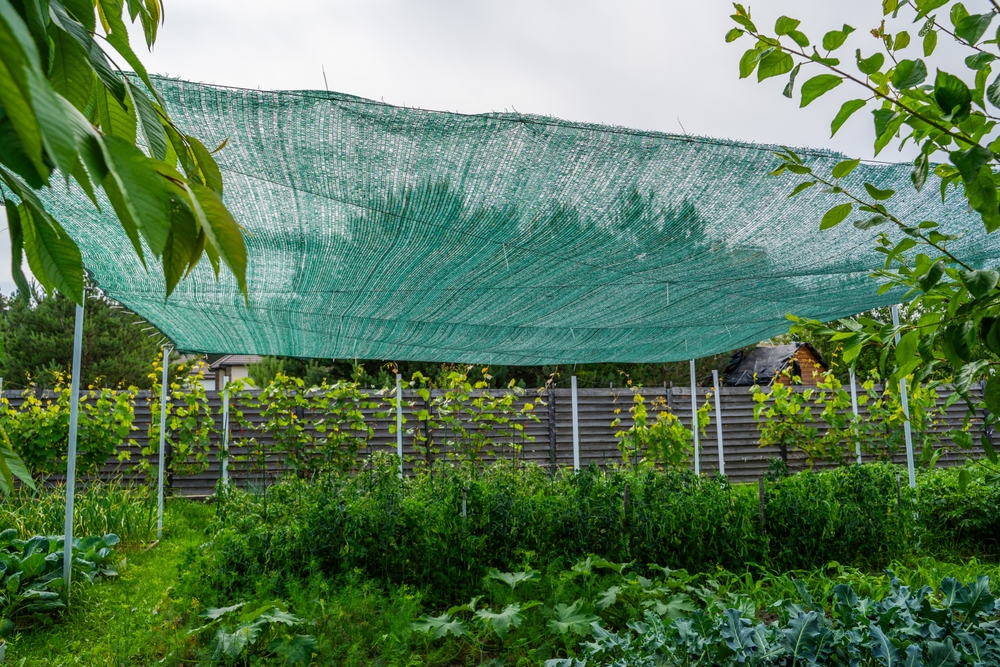
July heat can turn a promising vegetable garden into a stressful daily battle, but a low-cost shade setup can help plants handle scorching afternoons without draining the garden budget. A few simple materials, smart placement, and a little creativity can protect tender vegetables from harsh sunlight while keeping harvests coming.
Many gardeners imagine shade structures as expensive backyard projects involving lumber, tools, and complicated designs, but that picture misses the beauty of simple solutions. A homemade shade setup can come from affordable supplies found at garden centers, hardware stores, or even around the house, and it can make a noticeable difference during the hottest part of summer.
Why July Vegetables Need a Shade Plan
July vegetables face intense heat, especially during long afternoons when the sun sits high, and moisture disappears quickly from garden beds. Crops such as lettuce, spinach, cilantro, and some young seedlings often struggle when temperatures climb because excessive heat can slow growth and cause stress.
Tomatoes, peppers, and cucumbers enjoy plenty of sunlight, but even these warm-season favorites appreciate relief from extreme afternoon rays in very hot areas. A little protection during the hottest hours can help plants conserve energy and maintain better leaf and fruit quality.
Shade does not mean blocking every ray of sunlight because vegetables still need light for healthy growth and production. The goal involves creating a temporary cooling zone that reduces heat intensity while allowing enough sunshine to reach the leaves. A smart setup works like a beach umbrella for the garden, offering protection without turning the vegetable patch into a gloomy cave.
Build a Shade Structure Without Spending a Fortune
A simple garden shade frame can start with inexpensive materials such as wooden stakes, bamboo poles, PVC pipes, or sturdy tomato cages. Gardeners can stretch shade cloth across the frame and secure it with clips, zip ties, or garden twine that handles outdoor conditions. Shade cloth comes in different densities, and many vegetable gardeners choose lighter options for crops that still need strong sunlight. A removable design gives gardeners flexibility because they can pull the cover back on cloudy days or adjust it as plants grow taller.
A recycled sheet or lightweight fabric might seem tempting, but many household materials trap heat or hold moisture against plants. Shade cloth allows airflow, which helps prevent the hot, stagnant conditions that can encourage plant problems. The best low-cost setup usually combines affordable materials with a design that allows easy adjustments throughout the season.
Place Your Shade Setup Like a Garden Detective
The location of a shade structure matters almost as much as the materials because poor placement can limit its benefits. Watch the garden during the afternoon and notice which areas receive the strongest sunlight between roughly midday and late afternoon.
Many gardeners place shade on the west side of vulnerable plants because afternoon sun often creates the greatest heat challenge. A small frame positioned correctly can protect a bed without covering every vegetable from morning light.
Consider the height of the structure before installation because low covers can restrict airflow and create a cramped environment for plants. Taller supports often work better because they allow breezes to move underneath the shade cloth. Think of the setup as a tiny outdoor shelter rather than a blanket thrown over the garden.
Keep the Cooling System Working Through Summer Heat
A shade setup works best when gardeners pair it with good watering habits, mulch, and regular plant checks. Mulch around vegetable plants helps slow moisture loss, while deep watering encourages roots to reach farther into the soil. Morning watering usually gives plants time to absorb moisture before the hottest hours arrive. Gardeners should also check leaves regularly because heat stress can appear through wilting, curling, or faded foliage.
Shade structures need occasional attention because wind, storms, and growing plants can shift the setup over time. Tighten loose connections, remove damaged cloth, and adjust the height as vegetables stretch upward. A few minutes of maintenance can keep a simple project useful for the entire summer.
A Simple Shade Strategy Can Rescue Summer Harvests
A low-cost shade setup proves that successful gardening does not require expensive equipment or elaborate backyard construction. With a few basic supplies and thoughtful placement, gardeners can create a comfortable environment that helps vegetables handle July’s toughest weather. The biggest mistake involves assuming every vegetable wants unlimited sunshine during extreme heat. Many plants enjoy sunlight, but they also appreciate protection when summer conditions become overwhelming.
What low-cost shade tricks have helped your vegetable garden handle summer heat, and what creative materials have you used to protect your plants?
You May Also Like…
8 Plants That Help Create Natural Backyard Shade
7 Partial Shade Picks That Thrive Without Full Sun
8 Easy Plants That Can Survive Record Heat
10 Backyard Gardening Trends Taking Over Summer 2026
The Gardening Warning Experts Are Issuing About Extreme Summer Heat

Brandon Marcus is a staff writer for FrugalGardening.com at District Media, Inc., where he delivers practical gardening advice with a relatable, no-nonsense style. An avid amateur gardener, he holds a BA degree and with over ten years of professional writing experience, he is also an award-winning published author whose first book, Questions For Deep Thinkers, was released by Adams Media. His work has appeared in major publications including Fandom.com, CHUD.com, TheColdWire.com, and Fansided.com.
Leave a Reply