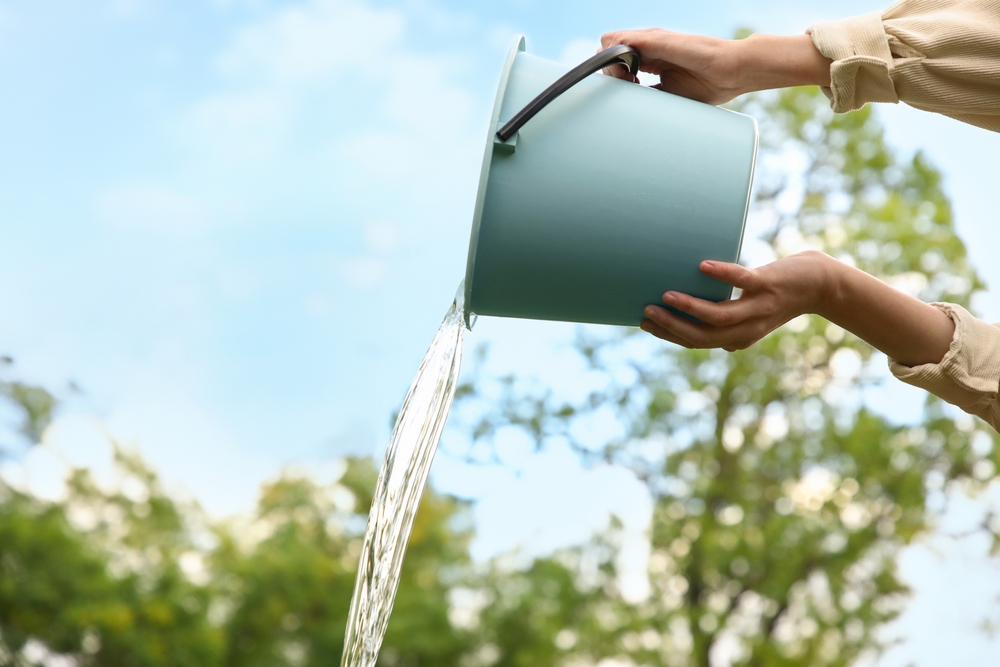
Water bills keep climbing, dry spells seem to linger longer, and gardeners continue searching for practical ways to stretch every drop. Graywater offers one smart solution, but success depends on using it correctly instead of simply sending used household water into the garden.
A few thoughtful habits, including choosing biodegradable soap, directing water into the soil instead of spraying leaves, and rotating with fresh water, can protect plants while making the most of a valuable resource. Treat graywater as a helpful gardening tool rather than a miracle cure, and the garden will reward that extra bit of care.
Choose Biodegradable Soap Before the Water Reaches the Garden
Graywater starts inside the house, so every bottle of soap or detergent matters long before the water reaches a flower bed. Products labeled biodegradable usually break down more easily and leave behind fewer compounds that can build up in the soil over time. Gardeners should also avoid products with boron, excessive sodium, bleach, or harsh disinfectants because those ingredients can gradually damage soil structure and sensitive plants. A quick glance at the ingredient list often saves months of frustration later.
Kitchen sink water deserves extra caution because grease, food scraps, and oils create unwanted problems in the garden. Water from showers, bathroom sinks, and washing machines generally works better when paired with plant-friendly cleaning products. Even then, moderation remains the smartest strategy because small amounts spread across different watering sessions create fewer issues than soaking one area repeatedly. Healthy soil acts like a natural filter, but it still has limits.
Let the Soil Drink Instead of the Leaves
Graywater belongs at ground level, not splashed across foliage, flowers, or edible produce. Directing water into the soil allows beneficial microbes to break down organic material while roots absorb moisture where they need it most. A simple drip hose, mulch basin, or slow-release outlet keeps water close to the root zone without creating unnecessary mess. That approach also reduces the chance of spreading bacteria onto vegetables or herbs.
Mulch makes this method even more effective because it slows evaporation and helps distribute moisture evenly beneath the surface. Many experienced gardeners tuck graywater outlets beneath a layer of wood chips or coarse mulch, where the water disappears quietly into the soil instead of pooling on top. Standing water invites mosquitoes, unpleasant odors, and soggy roots, so slow infiltration always beats puddles. The goal involves moist soil, not muddy ground.
Give Plants a Break with Fresh Water
Graywater works best as part of a rotation rather than serving as the only water source throughout the growing season. Alternating with fresh water helps flush away salts and soap residues before they accumulate around plant roots. This simple habit keeps soil healthier over time and reduces the chance of nutrient imbalances that can affect plant growth. Think of fresh water as the occasional reset button for the garden.
Sensitive plants especially appreciate this rotation because some species react quickly to salt buildup. Blueberries, azaleas, camellias, and other acid-loving plants generally prefer clean irrigation whenever possible. More resilient landscape shrubs, ornamental grasses, established trees, and many drought-tolerant perennials usually handle occasional graywater much better. Matching the right water source to the right plant often makes the difference between steady growth and disappointing results.
Know Which Graywater Belongs in the Garden
Not every bucket of used water deserves a second trip outside. Water containing bleach, strong cleaners, paint residue, solvents, or water from diaper washing should never enter the landscape because those contaminants can damage plants and create health concerns. Water that has been sitting for more than a day also loses its appeal because bacteria multiply quickly once graywater stands still. Fresh use always beats storage.
Timing also matters more than many people realize. Applying graywater shortly after collection gives soil organisms the best chance to process the organic material naturally. Gardeners often find success by sending washing machine water directly into mulch basins or landscape beds through simple diversion systems rather than collecting it in barrels. Fresh, moving water creates far fewer headaches than stagnant containers tucked behind the shed.
Smart Habits Make Graywater a Reliable Gardening Partner
Graywater shines when gardeners treat it as one piece of a larger watering strategy instead of a shortcut. Good soap choices, careful soil application, regular fresh water flushes, and thoughtful plant selection work together like members of a dependable gardening team. Skip any one of those steps, and small problems can slowly grow into larger ones that affect soil quality and plant health. Fortunately, none of these habits require expensive equipment or complicated techniques.
Which graywater practice has worked best in the garden, or what questions still come to mind before giving it a try?
You May Also Like…
Why More Americans Are Looking for Low-Water Gardening Solutions
Why Self-Watering Gardens Are Suddenly So Popular
Give Bees and Butterflies a Drink: Create a Pollinator Water Station From Recycled Dishes
The Overwatering Issue That Weakens Root Systems
Why Some Gardeners Are Being Fined for a Little‑Known Watering Rule

Brandon Marcus is a staff writer for FrugalGardening.com at District Media, Inc., where he delivers practical gardening advice with a relatable, no-nonsense style. An avid amateur gardener, he holds a BA degree and with over ten years of professional writing experience, he is also an award-winning published author whose first book, Questions For Deep Thinkers, was released by Adams Media. His work has appeared in major publications including Fandom.com, CHUD.com, TheColdWire.com, and Fansided.com.
Leave a Reply