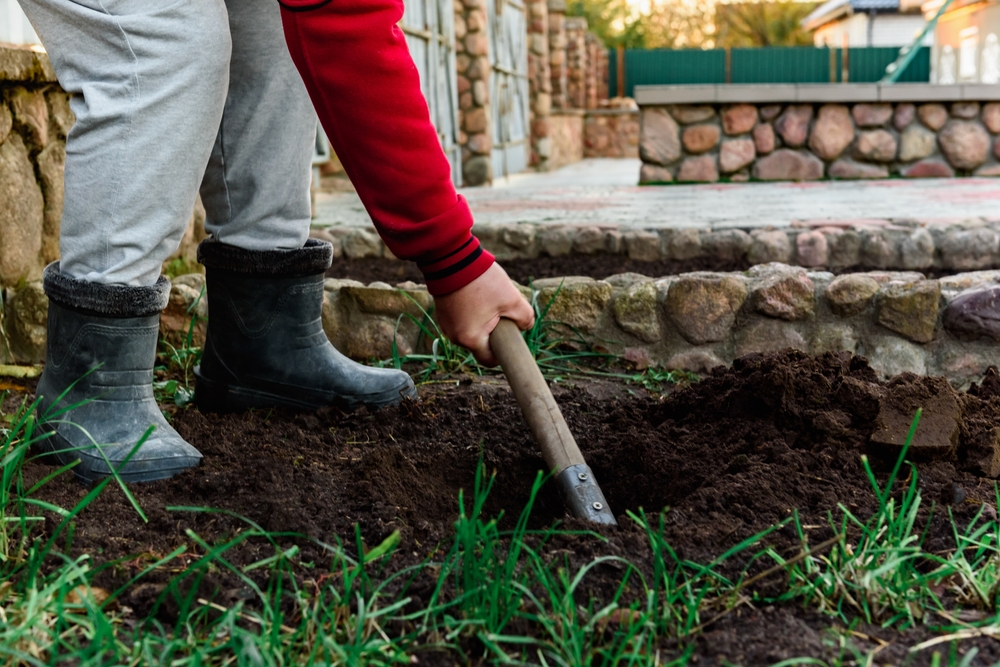
Side yards often get ignored, collecting weeds, forgotten tools, and a general sense of “we’ll deal with it later.” Yet that narrow strip of land between house and fence holds serious potential for fresh food, shade, and surprising beauty. A food forest design transforms that overlooked space into a living pantry filled with plants that return year after year with minimal fuss. Instead of constant replanting and heavy upkeep, edible perennials quietly do the work in the background. The result feels less like a traditional vegetable garden and more like a layered ecosystem that almost hums with life.
This approach borrows ideas from natural forest systems, where plants stack together in layers and support one another. Tall fruiting shrubs, leafy greens, groundcovers, and even climbing vines can all share the same space without competing in chaos. Once established, this kind of garden reduces the need for constant watering, tilling, or fertilizing. It also turns a narrow, awkward side yard into one of the most productive parts of the property. The transformation feels a bit like discovering a secret garden hiding in plain sight.
Why Side Yards Work So Well for Food Forests
Side yards often receive partial sun, which suits many edible perennials that dislike harsh, all-day exposure. These spaces also tend to stay protected from strong winds, especially when bordered by fences or structures. That microclimate effect creates a more stable growing environment than many open garden beds. Even better, their long, narrow shape naturally encourages layered planting rather than wide, messy sprawl. Instead of fighting the space, a food forest design fits it like a puzzle piece.
Water management also becomes easier in side yards because runoff tends to concentrate in predictable patterns. That allows gardeners to direct moisture where plants need it most, especially when mulch and organic matter get added regularly. Many edible perennials prefer this kind of steady, lightly shaded, and evenly moist environment. Once the system settles in, it requires less intervention than annual vegetable plots. The side yard quietly shifts from forgotten strip to productive green corridor.
Edible Perennials That Do Most of the Heavy Lifting
Some plants practically invite themselves into a low-maintenance food forest because they return reliably every season. Rhubarb stands out with its bold leaves and tart stalks, offering early spring harvests before most crops even wake up. Asparagus behaves similarly, pushing spears from established crowns year after year with very little attention beyond occasional weeding. Egyptian walking onions add personality, slowly spreading and replanting themselves while providing a steady supply of green tops and bulbs. These plants build the backbone of a productive system without demanding constant replanting.
Fruit-bearing shrubs also play a starring role in side-yard food forests. Currants and gooseberries tolerate partial shade and produce clusters of tangy fruit that brighten jams, desserts, and fresh snacking. Herbs like oregano, thyme, and chives spread gently and fill gaps while helping suppress weeds through dense growth. Even hardy berry vines like hardy kiwi or certain raspberries can climb fences and maximize vertical space. Once established, this mix creates layers of food production that cycle through the seasons with surprising generosity.
Design Tricks That Turn Chaos into a Working Ecosystem
Successful food forest design relies on layering plants like a natural woodland, rather than lining them up in rigid rows. Tall shrubs or small fruit trees anchor the space, while mid-level herbs and berries fill in the middle canopy. Groundcovers such as creeping thyme or strawberries spread across the soil, protecting it from erosion and keeping weeds under control. Climbing plants use fences or trellises, turning vertical space into extra harvest potential. This structure mimics nature while making every inch of the side yard productive.
Mulch plays a major role in keeping the system low-maintenance and balanced. Wood chips, shredded leaves, or straw help retain moisture, feed soil life, and reduce the need for frequent watering. Over time, soil improves without heavy digging or synthetic inputs, which keeps the ecosystem stable and self-supporting. Companion planting also helps reduce pest pressure by mixing aromatic herbs with fruiting plants. The entire space begins to function like a cooperative community instead of isolated plants competing for attention.
When the Side Yard Starts Working for You
A mature food forest does not demand constant attention, yet it rewards observation and occasional light care. Seasonal pruning keeps plants from overcrowding while encouraging fresh growth and better airflow. Harvesting becomes less of a chore and more of a casual walk through a living pantry. Over time, the side yard shifts into a dependable source of greens, herbs, and fruit that quietly supports everyday meals. The garden begins to feel less like a project and more like part of the home’s rhythm.
A side yard food forest turns unused space into something living, edible, and genuinely useful without demanding constant work. Which edible perennial would deserve a spot in a space like this, and what would get planted first?
You May Also Like…
Why So Many Homeowners Are Replacing Shrubs With Edible Plants
Why More Americans Are Creating Edible Landscapes
Stop Paying Grocery Store Prices: The 1 Backyard Move That Cuts Your Food Costs
Why More Americans Are Turning Empty Patios Into Food Gardens

Brandon Marcus is a staff writer for FrugalGardening.com at District Media, Inc., where he delivers practical gardening advice with a relatable, no-nonsense style. An avid amateur gardener, he holds a BA degree and with over ten years of professional writing experience, he is also an award-winning published author whose first book, Questions For Deep Thinkers, was released by Adams Media. His work has appeared in major publications including Fandom.com, CHUD.com, TheColdWire.com, and Fansided.com.
Leave a Reply