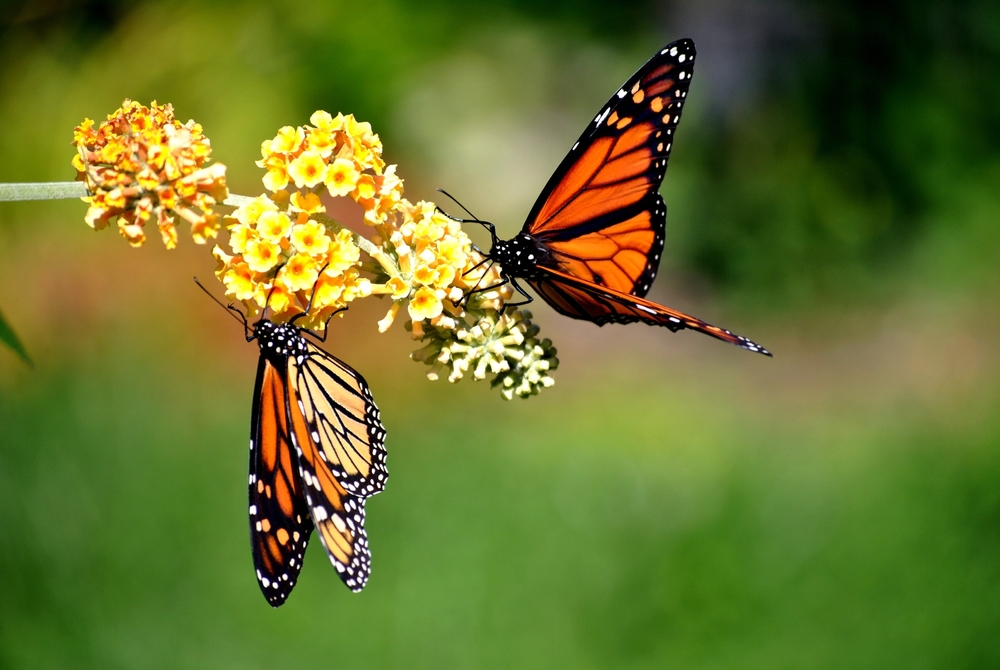
Pollinators never stick around for long if the buffet closes after a couple of weeks. The best gardens keep flowers blooming from late spring well into fall, giving bees, butterflies, hummingbirds, and other helpful visitors a reliable source of nectar and pollen. Better yet, a garden packed with long-blooming plants looks lively for months instead of fading after one spectacular weekend.
The secret lies in choosing dependable bloomers that keep producing flowers instead of putting on one brief show. A few smart plant choices can transform flower beds, borders, and even patio containers into colorful gathering spots that buzz with activity from morning until sunset.
1. Catmint Brings a Nearly Endless Wave of Purple
Catmint earns its reputation because it flowers for an impressively long stretch with very little fuss. Soft lavender-blue blooms appear in late spring and continue through summer, especially after a quick trim once the first flush fades. Bees absolutely adore the tiny blossoms, while butterflies frequently stop by for an easy meal.
Unlike fussier perennials, catmint handles heat, dry spells, and less-than-perfect soil without throwing a tantrum. Gardeners who plant it along walkways often notice the pleasant herbal fragrance every time they brush past the foliage.
2. Coneflower Delivers Color and Wildlife Appeal
Coneflowers combine beauty with toughness in a way few perennials can match. Their large daisy-like blooms keep opening from early summer into autumn, and each flower serves as a busy landing pad for bees and butterflies throughout the day. Deadheading encourages even more blooms, although leaving a few seed heads later in the season rewards hungry songbirds with a natural snack. Modern varieties come in shades ranging from classic purple to orange, yellow, white, and rich red, making it easy to fit them into almost any garden style.
3. Salvia Keeps the Hummingbirds Coming Back
Salvia produces upright flower spikes that hummingbirds seem to spot from halfway across the neighborhood. Many varieties bloom continuously from late spring until frost when gardeners remove spent flower stalks every few weeks. Bees also crowd the blossoms, especially during warm afternoons when nectar production peaks. Full sun, well-drained soil, and occasional watering usually keep these plants blooming with remarkable consistency. The vertical shape also adds welcome height among lower-growing flowers.
4. Black-Eyed Susan Refuses to Quit
Black-eyed Susans brighten the landscape with cheerful golden petals that seem to glow on sunny afternoons. These dependable flowers often bloom from midsummer well into fall, providing an important food source when many other flowers begin slowing down.
Butterflies visit frequently, while native bees collect pollen throughout the season. The sturdy stems also stand up well to summer storms, making them an easy choice for gardeners who want dependable color without constant maintenance.
5. Bee Balm Turns the Garden Into a Pollinator Party
Bee balm rarely stays quiet once it starts flowering. Bright red, pink, purple, or lavender blooms attract hummingbirds almost immediately, while butterflies and bees crowd the unusual shaggy flowers from sunrise until evening. Good air circulation and dividing mature clumps every few years help prevent common mildew problems that sometimes appear during humid weather. Planting bee balm near patios or outdoor seating areas often creates an entertaining front-row view of nonstop pollinator activity all summer long.
6. Lantana Laughs at Summer Heat
Few flowering plants handle blazing summer temperatures as confidently as lantana. Clusters of tiny flowers appear in vibrant combinations of yellow, orange, pink, red, and purple, and they continue blooming until frost in many regions. Butterflies flock to the nectar-rich blooms, while gardeners appreciate how little attention the plants demand once established.
Container gardeners especially enjoy lantana because it keeps patios colorful long after many annuals begin looking tired. Just remember that lantana grows as a perennial only in warm climates and serves as an annual in colder regions.
7. Blanket Flower Brings Bold Color Without the Drama
Blanket flower produces fiery red, orange, and yellow blooms that seem made for hot summer days. These cheerful flowers keep opening for months if gardeners remove faded blossoms regularly, although even occasional deadheading makes a noticeable difference. Native bees, butterflies, and other beneficial insects visit the open flower centers throughout the season. Sandy or rocky soil actually suits blanket flower quite well, making it an excellent option for difficult planting spots where fussier flowers struggle.
8. Zinnias Keep Blooming Until Frost
Zinnias prove that annual flowers deserve a place in every pollinator garden. Fresh blooms appear continuously from early summer until the first hard frost, especially when gardeners cut flowers for bouquets or remove faded blossoms. Butterflies adore the bright, open flowers, while bees work their way across the colorful petals in search of pollen.
Growing several colors together creates an eye-catching display that looks lively from a distance and provides a steady food source during the busiest months of pollinator season. Even beginners usually find success because zinnias grow quickly from seed and reward minimal effort with months of vibrant blooms.
Plant Once, Enjoy the Buzz for Months
A garden that blooms for months offers far more than beautiful flowers. It creates a dependable feeding station for pollinators while rewarding gardeners with changing colors, constant movement, and the simple pleasure of watching nature get to work every day. Mixing several of these long-blooming plants also helps fill seasonal gaps, so something always stands ready to welcome visiting bees, butterflies, or hummingbirds.
Small changes often make the biggest difference. Even adding two or three of these dependable bloomers to an existing flower bed can noticeably increase pollinator activity throughout the growing season while keeping the garden colorful long after many spring flowers have disappeared.
What pollinator-friendly plant has earned a permanent spot in your garden, and which one would you add to this list? Talk about your favorites in the comments below.
You May Also Like…
7 Gardening Habits That Could Be Hurting Pollinators
Why So Many Americans Are Obsessed With Pollinator Gardens Right Now
7 Natural Repellents That Help Keep Insects Away
9 Plants That Attract Beneficial Insects Even in Cold Weather
10 Backyard Bugs You Never Want to Ignore

Brandon Marcus is a staff writer for FrugalGardening.com at District Media, Inc., where he delivers practical gardening advice with a relatable, no-nonsense style. An avid amateur gardener, he holds a BA degree and with over ten years of professional writing experience, he is also an award-winning published author whose first book, Questions For Deep Thinkers, was released by Adams Media. His work has appeared in major publications including Fandom.com, CHUD.com, TheColdWire.com, and Fansided.com.
Leave a Reply