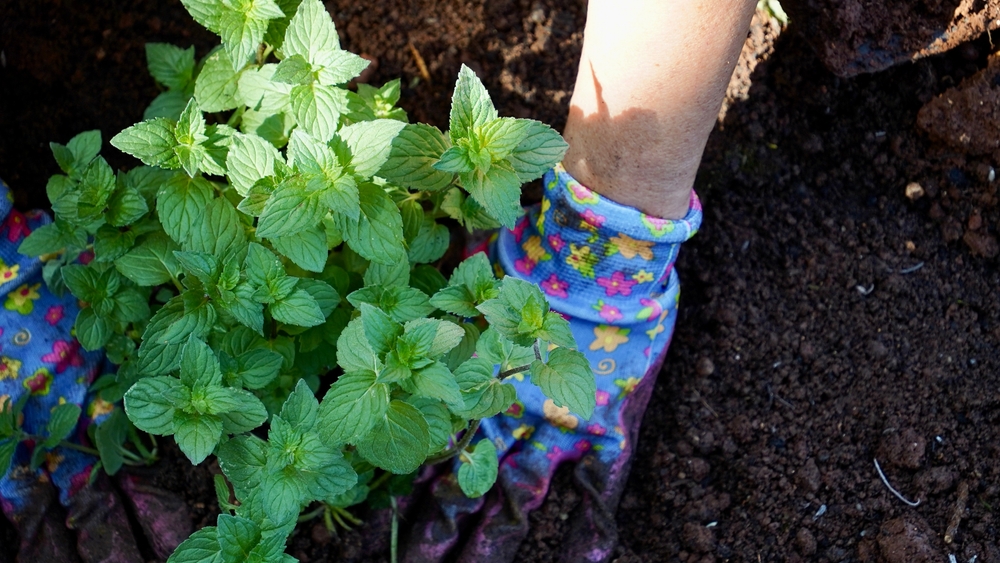
Native plants are showing up in more front yards, side gardens, and even manicured suburban lawns across the country. Homeowners notice fewer brown patches, fewer pest problems, and a yard that feels more connected to the local landscape. Garden centers now dedicate entire sections to region-specific plants because demand keeps rising. People want gardens that look beautiful without constant watering and chemical inputs. This shift reflects a growing desire to work with nature instead of fighting against it.
The trend also connects to changing weather patterns and rising utility costs. Many homeowners search for ways to reduce water bills while still keeping outdoor spaces attractive. Native plants offer a practical answer because they evolved in local conditions and already know how to handle the climate. Landscapers and city planners also promote them for public spaces because they stabilize soil and support local ecosystems. As more people see successful native plant gardens, the movement continues to spread yard by yard.
Why Homeowners Are Replacing Traditional Lawns with Native Plants
Traditional grass lawns demand frequent mowing, heavy watering, and regular fertilizing, which creates ongoing work and expense. Native plant gardens break that cycle by offering natural resilience that fits local rainfall and soil conditions. Homeowners notice fewer weekend chores and more time enjoying their outdoor spaces instead of maintaining them. Many also appreciate the visual variety that native plants bring, from colorful wildflowers to textured grasses. This combination of beauty and practicality pushes more people to rethink the classic green lawn.
Social media and neighborhood influence also play a big role in this shift. One well-designed native yard often inspires nearby homes to follow the same approach. Gardening groups and local workshops highlight success stories that show how quickly landscapes can transform. Even small front yard conversions create noticeable changes in curb appeal and biodiversity. The momentum builds as people realize they do not need a perfect lawn to have an attractive home exterior.
Environmental Benefits That Go Beyond the Backyard
Native plants support pollinators like bees, butterflies, and hummingbirds by providing familiar food sources and shelter. These plants grow in sync with local insect life cycles, which helps maintain healthy populations throughout the seasons. Birds also benefit because native plants attract insects and produce berries that fit their diets. Healthy plant-insect-bird relationships create a balanced ecosystem right outside the door. Homeowners often notice more wildlife activity within a single growing season.
Soil health improves when native plants replace shallow-rooted turf grass. Deep root systems stabilize the ground, reduce erosion, and increase water absorption during heavy rain. This reduces runoff that often carries fertilizers into storm drains and nearby waterways. Native plants also reduce the need for synthetic chemicals that can harm beneficial organisms. Over time, the entire yard becomes more self-regulating and environmentally stable.
Lower Maintenance, Lower Costs, Bigger Rewards
Native plant gardens reduce long-term expenses because they require less watering and fewer lawn treatments. Many homeowners report noticeable drops in summer water bills after replacing even part of their lawn. Fertilizer and pesticide costs also shrink because native species naturally resist many local pests and diseases. Mowing time decreases significantly, which saves fuel, electricity, and weekend effort. These savings add up quickly, especially for larger properties.
Time savings matter just as much as financial savings for busy households. Instead of spending hours maintaining turf, homeowners can focus on planting, observing wildlife, or simply relaxing outdoors. Native gardens also adapt better to droughts and heavy rains, which reduces repair and replanting costs. Seasonal changes often enhance the garden’s appearance rather than damage it. The result feels less like maintenance work and more like watching a living landscape evolve.
How Native Plant Gardens Change the Way People Think About Yards
Native plant landscaping encourages a shift away from rigid, uniform lawns toward dynamic, layered ecosystems. Homeowners begin to value seasonal change, natural textures, and wildlife activity as part of the yard’s beauty. This approach reduces frustration with brown spots or uneven growth because diversity replaces uniformity. Garden design becomes more about guidance than control, which creates a more relaxed relationship with outdoor space. Over time, the yard feels more like a natural habitat than a managed field.
Communities also benefit when more homes adopt native planting styles. Local biodiversity increases, and public green spaces often mirror private yard transformations. Neighbors share plant cuttings, seeds, and advice, which strengthens community connections. Cities even support native landscaping programs to reduce stormwater issues and heat buildup. This growing awareness shows that yard choices influence more than just one property.
A Greener Future Growing One Yard at a Time
Native plants continue gaining ground because they solve real problems without adding extra complexity. Homeowners gain beauty, resilience, and savings while supporting local ecosystems at the same time. The movement grows stronger each year as more people see the benefits firsthand. Even small changes, like replacing a patch of lawn with native flowers, create a meaningful impact. The shift reflects a broader return to working with nature instead of resisting it.
What changes would you make first if your yard could work with the local environment instead of against it?
You May Also Like…
8 Native Plants That Feed Pollinators and Save You Money
8 Plants That Practically Take Care of Themselves
Why So Many Retirees Are Downsizing Their Gardens
Why More Americans Are Growing Potatoes Again
The Root Rot Warning Signs Most Gardeners Miss

Brandon Marcus is a staff writer for FrugalGardening.com at District Media, Inc., where he delivers practical gardening advice with a relatable, no-nonsense style. An avid amateur gardener, he holds a BA degree and with over ten years of professional writing experience, he is also an award-winning published author whose first book, Questions For Deep Thinkers, was released by Adams Media. His work has appeared in major publications including Fandom.com, CHUD.com, TheColdWire.com, and Fansided.com.
Leave a Reply