Summer gardens can feel like a nonstop shopping spree if things go off track quickly. Many gardeners spend far more than necessary without realizing small habits quietly drain their wallets. Plants suffer, water bills climb, and garden centers stay busy because of repeat mistakes.
The good news is that most of these issues come from simple routines that are easy to fix. A few smart adjustments can turn an expensive garden into a budget-friendly outdoor space that still looks stunning.
1. Overwatering Containers That Never Need It
Many gardeners water container plants on a strict daily schedule even when the soil still feels moist. This habit leads to root rot, wasted water, and unnecessary stress on plants that prefer drier cycles. Containers often dry out at different rates depending on sun exposure, pot material, and plant type. Checking soil before watering saves money on water bills and prevents replacing dead plants.
Smart gardeners test moisture with a finger or a simple moisture meter instead of guessing. Skipping water when the soil already feels damp keeps roots healthier and reduces fungal problems. Over time, plants adapt better to natural conditions and require less intervention. This small change alone can significantly reduce summer gardening costs.
2. Rebuying Annual Flowers Every Single Season
Garden centers love summer because many gardeners buy the same annual flowers year after year without planning ahead. This habit creates a cycle of repeated spending instead of building a sustainable planting strategy. Annuals brighten a yard quickly, but they disappear at the end of the season and demand replacement.
Perennials offer a smarter investment because they return each year and expand over time. Mixing perennials with a few strategic annuals creates long-term savings while still keeping color in the garden. Planning a layout once and improving it each season reduces impulse buying. A thoughtful planting design prevents the wallet from opening every spring like clockwork.
3. Using Fertilizer Without Knowing What Soil Needs
Many gardeners grab fertilizer based on guesswork rather than actual soil conditions. This leads to overfeeding plants, burning roots, or spending money on nutrients that never get used. Different plants require different nutrient balances, and a one-size approach rarely works well in summer gardens.
Soil testing kits provide clear information that prevents unnecessary purchases and improves plant health. Once gardeners know what the soil lacks, they can buy only the nutrients they actually need. This targeted approach boosts growth while cutting waste in half. A little knowledge about soil chemistry turns fertilizer shopping into a precise and cost-effective task.
4. Skipping Soil Testing and Guessing Instead
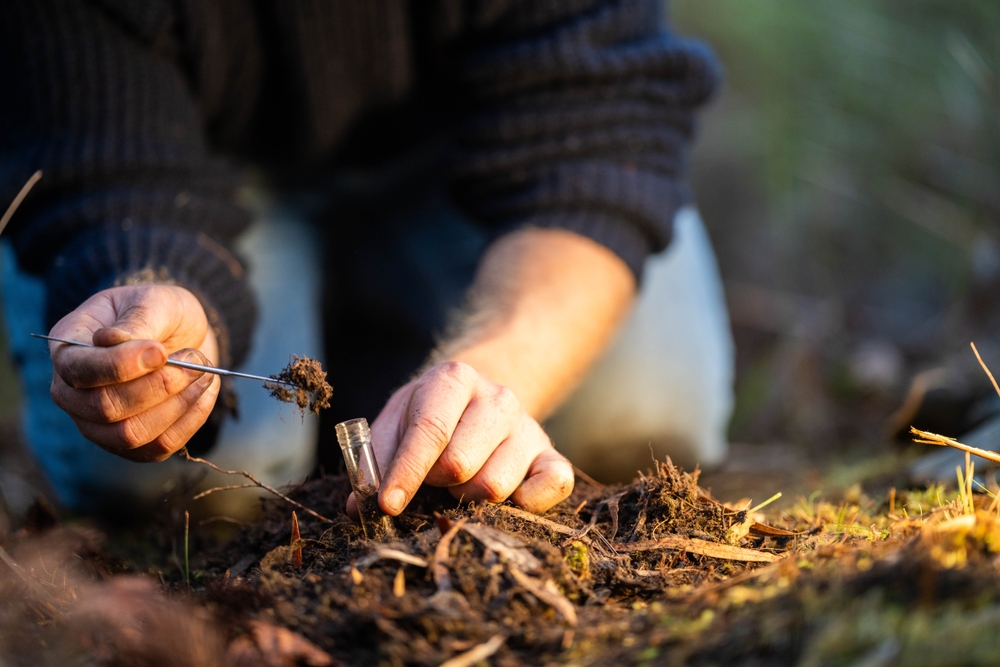
Soil testing often gets ignored, yet it plays a major role in plant success and budget control. Without it, gardeners keep adding amendments that may not fix the real problem. Poor soil decisions lead to weak plants that require more water, more fertilizer, and more replacements.
Testing reveals pH levels and nutrient gaps that directly impact plant performance. Once the results come in, gardeners can stop buying random products and focus on specific improvements. Healthy soil reduces long-term spending because plants require less rescue care. This simple step prevents a chain reaction of costly mistakes throughout the season.
5. Overdecorating With Expensive Pots and Accessories
Garden centers tempt shoppers with decorative pots, sculptures, and trendy yard pieces every summer. Many gardeners fill their spaces with decor that looks great initially but adds no real value to plant health. Overspending on accessories leaves less budget for soil, seeds, and maintenance tools.
A well-planned garden design uses a few statement pieces instead of cluttering every corner. Repurposing containers or painting old pots offers a budget-friendly alternative with personality. Plants themselves should remain the main attraction rather than expensive decorations. Cutting back on unnecessary decor frees money for improvements that actually matter.
6. Running Inefficient Watering Systems All Season Long
Sprinklers that spray sidewalks or drip hoses placed incorrectly waste large amounts of water every summer. Many systems run on timers that never adjust to weather changes or rainfall. This habit inflates utility bills and leaves some plants overwatered while others stay dry.
Upgrading to drip irrigation or smart timers creates precise watering schedules that match plant needs. Positioning hoses correctly reduces runoff and ensures water reaches the roots where it matters most. Checking systems regularly prevents leaks from draining both water and money. Efficient watering keeps gardens healthy while controlling ongoing costs.
7. Buying Bagged Soil Instead of Building It Naturally
Many gardeners buy fresh bags of soil every season even when composting could reduce or eliminate that cost. Store-bought soil adds up quickly, especially for large beds or raised gardens. This habit also ignores the long-term benefits of building organic matter in place.
Composting kitchen scraps and yard waste creates rich soil that improves structure and fertility over time. Mulching beds naturally reduces the need for constant soil replacement. Healthier soil retains moisture better and reduces watering expenses. A compost-driven system turns waste into savings while strengthening the entire garden ecosystem.
Smarter Habits That Protect Both Plants and Budgets
These seven habits often drain money without delivering better results in the garden. Small changes like testing soil, adjusting watering, and planning plant choices create immediate savings. Many gardeners notice healthier plants simply by stopping unnecessary purchases and focusing on long-term strategies. Smart gardening does not require spending more; it requires spending with intention. A well-managed garden rewards patience, observation, and consistency with fewer expenses and better results.
What gardening habit has saved the most money or caused the biggest surprise in your own yard?
You May Also Like…
The Backyard Gardening Trend Taking Over Small Suburbs
The One Gardening Tool People Over 60 Say They Wish They Bought Earlier
The Gardening Trend HOA Communities Are Fighting Over
Why Grocery Inflation Is Sending Americans Back to Gardening Again
Why Watering Consistency Matters More Than Volume

Brandon Marcus is a staff writer for FrugalGardening.com at District Media, Inc., where he delivers practical gardening advice with a relatable, no-nonsense style. An avid amateur gardener, he holds a BA degree and with over ten years of professional writing experience, he is also an award-winning published author whose first book, Questions For Deep Thinkers, was released by Adams Media. His work has appeared in major publications including Fandom.com, CHUD.com, TheColdWire.com, and Fansided.com.
Leave a Reply