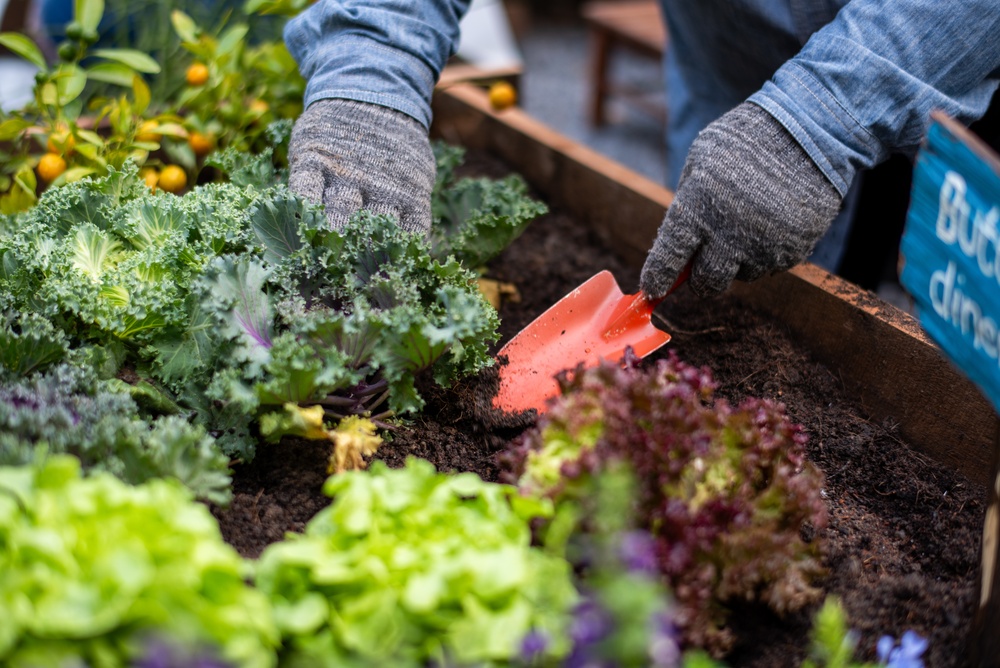
Grocery receipts keep shocking shoppers at checkout lanes across the country. Prices on everyday basics like lettuce, eggs, herbs, and tomatoes continue to climb without warning. Families feel the pressure as weekly food budgets stretch thinner and thinner. Many households now search for practical ways to reduce dependence on store-bought produce. One solution keeps popping up in surprising ways: home gardening. What once felt like a hobby now looks like a financial survival strategy.
Backyards, balconies, and even small patios are transforming into productive food spaces. Seed packets replace impulse buys, and soil replaces supermarket aisles. People discover that growing food at home creates both savings and satisfaction. Even small harvests can reduce grocery trips and lower monthly bills. The shift does not come from trends alone but from necessity driven by rising costs.
Grocery Bills Are Sparking a Backyard Revival
Grocery inflation keeps reshaping how families think about food access and affordability. A simple bag of salad greens can cost more than a packet of seeds that produces multiple harvests. Households notice that fresh produce prices fluctuate wildly depending on season and supply chains. This unpredictability pushes people to look for stability in their own yards. Gardening offers a sense of control that grocery stores cannot match. The backyard suddenly becomes a practical response to economic pressure rather than just unused space.
This revival does not require large rural properties or farming experience. Apartment dwellers experiment with pots, raised beds, and vertical planters to grow herbs and vegetables. Even a few square feet can produce noticeable savings over time. Families begin tracking how much produce they harvest compared to what they would have spent in stores. That comparison often surprises even skeptical beginners. The result is a renewed interest in growing food at home as prices continue climbing.
The Real Math Behind Growing Food at Home
Food budgets stretch further when households replace frequent produce purchases with homegrown alternatives. A single tomato plant can produce dozens of fruits across a season with proper care. Herbs like basil, parsley, and cilantro regrow quickly after trimming, reducing repeated store purchases. Seed packets cost less than a single grocery store bundle of fresh herbs in many regions. Over time, those small savings accumulate into noticeable monthly relief. Gardening becomes less about novelty and more about practical economics.
Households also reduce food waste when harvesting directly from their own plants. People pick only what they need instead of buying large packages that spoil quickly. Fresh picking at peak ripeness improves flavor while reducing unnecessary spending. Many families begin meal planning around what their garden produces instead of what stores advertise. That shift creates a direct connection between effort and reward. The garden effectively becomes a living grocery store that never raises prices.
Beginner-Friendly Crops That Save the Most Money
New gardeners often start with crops that grow quickly and require minimal maintenance. Lettuce, radishes, and green onions deliver fast results that keep motivation high. These plants grow well in containers, raised beds, or even recycled household bins. Herbs like mint and basil spread easily and provide continuous harvests throughout the season. Tomatoes and peppers require more attention but offer high returns on investment. Each successful harvest builds confidence and encourages expansion.
Seasonal planning helps maximize both yield and savings potential. Cool-weather crops perform well in early spring and fall, while warm-weather plants dominate summer gardens. Beginners often rotate crops to maintain consistent harvests throughout the growing season. Even small success stories, like fresh salad greens for a week of meals, reinforce long-term commitment. Gardening becomes a cycle of learning, harvesting, and reinvesting effort into better results. That cycle gradually reduces dependence on expensive grocery store produce.
Small Spaces Turn Into Powerful Food Producers
Urban living does not prevent households from growing meaningful amounts of food. Balconies, windowsills, and patios transform into productive mini-gardens with the right setup. Container gardening allows people to control soil quality, water levels, and sunlight exposure. Vertical planters maximize limited space by stacking crops upward instead of outward. Even renters find creative ways to grow food without permanent changes to property. Gardening adapts easily to modern living conditions.
Space limitations often encourage smarter planting strategies. Households choose high-yield crops that deliver frequent harvests in small areas. Companion planting improves growth and reduces pest issues without chemical treatments. Self-watering containers help maintain consistency during hot summer months. Families begin treating small spaces like efficient food production zones instead of decorative corners. The result proves that size does not determine success when growing food at home.
Common Mistakes That Cost Time and Money
Many beginners overspend on unnecessary tools or complicated systems that do not match their space. Simple setups often outperform expensive gadgets when starting out. Overwatering remains one of the most common issues that damages early crops. Poor sunlight placement also reduces yields and discourages new gardeners. Learning basic plant needs prevents wasted effort and lost harvests. Experience quickly becomes the best teacher in home gardening.
Another frequent mistake involves planting too much too soon. Large gardens require more maintenance than beginners expect. Starting small allows gardeners to build skills without becoming overwhelmed. Pest control also challenges new growers who skip preventative measures like spacing and airflow. Consistent attention and observation reduce long-term problems. Smart planning always outperforms rushed enthusiasm in the garden.
Grocery Prices May Rise, but Gardens Keep Giving Back
Grocery inflation continues to reshape how households approach food spending and self-sufficiency. Home gardening steps in as a practical response that combines savings with fresh, high-quality produce. Small spaces, limited experience, and tight budgets no longer block people from growing meaningful amounts of food. Each plant adds value that grows stronger over time with care and consistency. The shift toward gardening reflects both economic pressure and a desire for stability in uncertain times.
What would motivate more households to start growing their own food this year, and which crops would make the biggest difference in daily meals?
You May Also Like…
8 Crops That Keep Producing All Summer Long
The Fertilizer Burn Risk for Newly Planted Crops
Never Buy Seeds Again: How to Save Seeds From Your Spring Crops
Why So Many Americans Are Turning Front Yards Into Vegetable Gardens
10 Vegetables That Produce the Most Food for the Least Money

Brandon Marcus is a staff writer for FrugalGardening.com at District Media, Inc., where he delivers practical gardening advice with a relatable, no-nonsense style. An avid amateur gardener, he holds a BA degree and with over ten years of professional writing experience, he is also an award-winning published author whose first book, Questions For Deep Thinkers, was released by Adams Media. His work has appeared in major publications including Fandom.com, CHUD.com, TheColdWire.com, and Fansided.com.
Leave a Reply