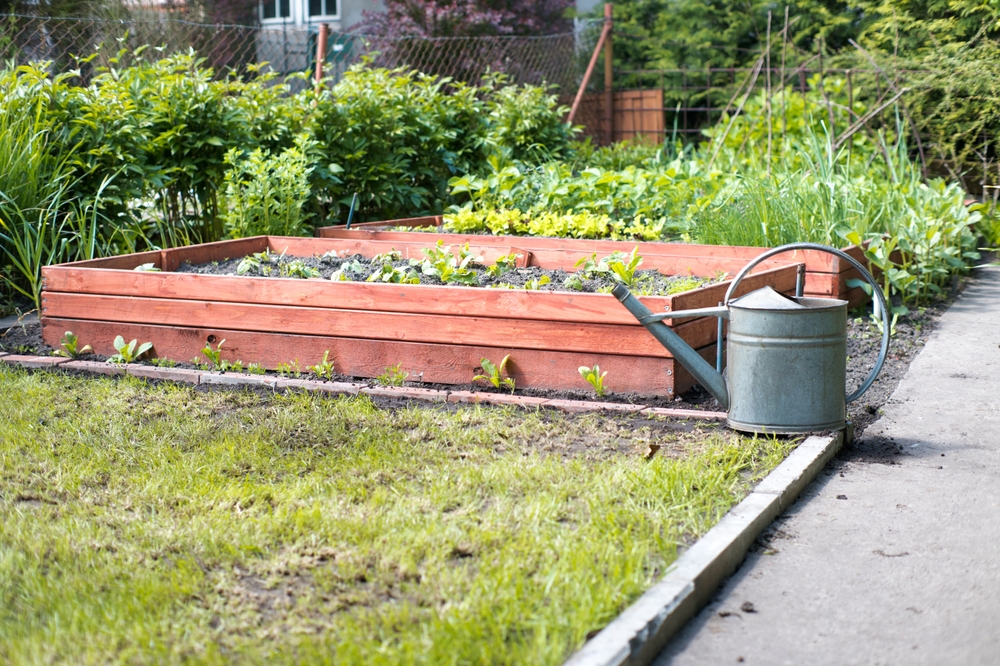
Vacation season brings excitement, suitcase chaos, and one big worry for plant lovers: what happens to the garden while everything is packed and quiet? Hot weather, dry soil, and unattended plants can turn a vibrant space into a stressed-out patch in just a few days. A little planning changes everything and keeps plants steady while the house sits empty.
Smart gardeners set systems in motion before leaving, not after the damage shows up. With the right approach, the garden stays steady, hydrated, and surprisingly low-maintenance until the return home.
Plan Watering Strategy Before Departure
A strong watering plan sets the foundation for a stress-free trip because plants rely on consistency more than anything else. Gardeners who wait until the last minute often return to wilted beds and crispy edges that could have been avoided. Deep watering a few days before departure helps soil hold moisture longer and reduces early stress on roots. Grouping plants with similar water needs also prevents overwatering one section while another dries out too quickly.
Timing matters as much as volume when setting up irrigation before a trip. Watering early in the morning or late in the evening reduces evaporation and helps soil absorb more moisture. A slow soak works better than a quick splash because roots grow deeper when water reaches lower layers. This simple shift in timing gives gardens a stronger buffer against dry days.
Turn Your Garden Into a Self-Watering Zone
Self-watering systems turn vacation stress into peace of mind because they keep moisture moving even when no one checks in. Soaker hoses deliver steady hydration directly to the soil instead of spraying water into the air. Drip irrigation systems take it further by targeting individual plants with precision and reducing waste. Both options help maintain balance while preventing overwatering issues that can damage roots.
Simple DIY methods also support plants during short trips without requiring expensive equipment. Water-filled bottles placed upside down in soil slowly release moisture over time. Wicking systems using cotton ropes can draw water from containers into dry soil at a controlled pace. These methods work especially well for container gardens and raised beds that dry out faster than ground soil.
Mulching Tricks That Lock in Moisture
Mulch acts like a protective blanket that shields soil from heat and evaporation during vacation season. A thick layer of organic mulch helps regulate temperature and slows water loss from the surface. Wood chips, straw, or shredded leaves all work well depending on what sits available in the yard. Gardeners who skip mulch often return to cracked soil that struggles to recover quickly.
Placement matters just as much as material when applying mulch effectively. Spreading mulch evenly around plants while keeping it a few inches away from stems prevents rot and pest problems. This spacing allows air to circulate while still protecting the root zone underneath. A well-mulched garden holds moisture longer and reduces the need for emergency watering upon return.
Smart Plant Choices That Handle Absence
Certain plants handle short absences better than others because their roots and leaves store water efficiently. Drought-tolerant herbs like rosemary and thyme continue growing with minimal attention once established. Succulents also store water in their leaves, giving them an advantage during hot, dry stretches. Choosing these plants reduces stress before any trip even begins.
Garden layout also plays a major role in how well plants handle time alone. Placing tougher plants in sunny, exposed areas allows them to take the heat while more sensitive varieties stay shaded. Grouping plants with similar needs avoids creating weak spots in the garden. This strategy builds a more balanced environment that can handle short breaks without major setbacks.
Enlist Helpers and Tech for Peace of Mind
Trusted help from neighbors, friends, or family adds an extra layer of protection when travel plans stretch beyond a few days. A quick walkthrough before leaving shows helpers exactly what to water, how much, and when. Clear instructions prevent overwatering mistakes and ensure consistency across all garden zones. A simple checklist near the hose or watering can keeps everything organized.
Technology also plays a growing role in modern garden care during vacations. Smart irrigation timers control watering schedules automatically and adjust based on weather conditions. Soil moisture sensors send alerts when plants need attention, reducing guesswork from afar. These tools give gardeners control even when they sit miles away from home.
Return Home Without Garden Drama
The return home sets the final test for any vacation gardening plan because plants reveal how well the system worked. A healthy garden greets its caretaker with steady growth, hydrated soil, and minimal stress signs. Quick inspections help spot any areas that need extra attention before problems spread. Early action prevents small issues from turning into bigger setbacks.
What strategies make vacation gardening easier and less stressful for your setup? Share your thoughts and experiences in the comments.
You May Also Like…
Don’t Let Your Herbs Bolt—Pinching Tricks to Keep Cilantro and Basil Going
The Dollar Store Gardening Finds That Actually Work
10 Common Gardening Myths That Waste Money
7 Spring Soil Picks That Thrive Early
7 Partial Shade Picks That Thrive Without Full Sun

Brandon Marcus is a staff writer for FrugalGardening.com at District Media, Inc., where he delivers practical gardening advice with a relatable, no-nonsense style. An avid amateur gardener, he holds a BA degree and with over ten years of professional writing experience, he is also an award-winning published author whose first book, Questions For Deep Thinkers, was released by Adams Media. His work has appeared in major publications including Fandom.com, CHUD.com, TheColdWire.com, and Fansided.com.
Leave a Reply