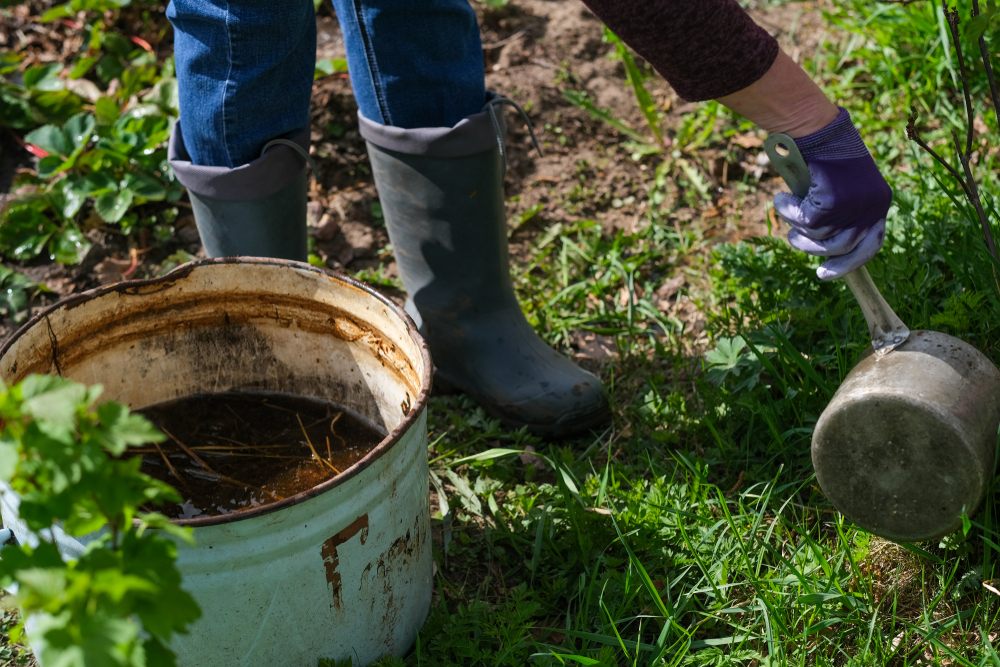
Gardeners spend fortunes on fertilizers every spring, yet some of the best plant boosters already sit in compost bins and worm buckets right at home. Compost tea and worm castings tea pack gardens with beneficial microbes, gentle nutrients, and natural soil-building power that synthetic fertilizers simply cannot match. Tomato plants grow fuller, herbs smell stronger, and vegetable beds often produce better harvests after regular applications of these homemade brews.
Backyard gardeners love these teas because they cost very little and recycle materials that might otherwise head to the trash. A bubbling bucket of compost tea may not look glamorous, but many experienced gardeners swear by the dramatic difference it makes in tired soil.
Why Gardeners Obsess Over Compost Tea
Compost tea acts like an energy drink for garden soil because it introduces beneficial microorganisms that help plants access nutrients more efficiently. Healthy soil contains billions of bacteria, fungi, and microbes working together beneath the surface, and compost tea helps replenish those living systems naturally. Gardeners often notice greener leaves, stronger stems, and improved moisture retention after consistent use during the growing season. Unlike harsh chemical fertilizers, compost tea feeds the soil ecosystem instead of forcing quick bursts of artificial growth. That gentle approach reduces stress on plants and supports long-term garden health over time.
Worm castings tea delivers many of the same benefits but often contains even higher concentrations of beneficial microbes and plant-friendly nutrients. Worm castings come from composting worms digesting organic matter, and gardeners frequently call the material “black gold” because of its rich texture and incredible gardening results. The tea created from worm castings can help seedlings establish roots faster and recover more quickly after transplanting. Many gardeners spray diluted worm tea directly onto leaves because the microbes may help plants resist common fungal problems. Roses, peppers, cucumbers, and leafy greens especially seem to respond enthusiastically to regular applications.
The Simple Supplies Needed to Brew a Batch
A good batch of compost tea does not require fancy equipment, expensive gadgets, or a chemistry degree. Most gardeners only need a five-gallon bucket, non-chlorinated water, mature compost or worm castings, and an aquarium air pump with tubing to keep the brew oxygenated. Oxygen matters because beneficial microbes flourish in aerated conditions, while harmful bacteria can multiply inside stagnant water. Some gardeners also add unsulfured molasses because the sugars feed microbial activity during brewing. The setup looks surprisingly simple, but the microbial action inside that bucket becomes incredibly active within a day.
Water quality plays a huge role in successful brewing because chlorine can kill the helpful organisms gardeners want to encourage. Many gardeners leave tap water sitting outdoors for 24 hours before brewing so chlorine can dissipate naturally. Rainwater also works beautifully if a clean barrel or collection system stores it properly. Compost quality matters just as much because poor compost creates weak tea with limited microbial benefits. Finished compost should smell earthy and fresh instead of sour, rotten, or overly sharp.
Brewing Compost Tea Without Making a Mess
Brewing compost tea feels surprisingly easy once gardeners get comfortable with the process. A common recipe uses about two cups of finished compost or worm castings for every five gallons of water. Many gardeners place the compost inside a mesh bag, old pillowcase, or nylon stocking to keep solid particles from floating freely through the bucket. After connecting the air pump, the mixture usually bubbles for 24 to 36 hours while beneficial microbes multiply rapidly. The finished tea often smells rich and earthy, similar to damp forest soil after rain.
Timing matters because compost tea works best when gardeners use it shortly after brewing finishes. Beneficial microbes begin declining once oxygen levels drop, so fresh batches deliver stronger results than tea left sitting for days. Gardeners typically dilute the tea before applying it around plant roots or spraying it onto foliage. Early morning or evening applications work best because strong afternoon sunlight can stress plants and reduce microbial survival. Many experienced gardeners feed plants every two to four weeks throughout the growing season for steady results.
Common Mistakes That Can Ruin the Brew
New gardeners sometimes assume stronger tea automatically creates better results, but overly concentrated mixtures can actually stress delicate plants. Compost tea should support healthy growth, not smother roots with excessive organic material. Poor aeration also creates problems because stagnant water encourages harmful anaerobic bacteria that produce foul odors and unhealthy conditions. A properly brewed tea should smell earthy and clean rather than rotten or sulfur-like. If the brew smells awful, gardeners should dump it into ornamental beds instead of applying it directly to vegetables.
Temperature can also affect microbial activity during brewing. Extremely cold conditions slow microbial growth, while intense summer heat can create unstable brewing conditions that damage beneficial organisms. Most gardeners find success brewing tea in mild temperatures somewhere between 60 and 75 degrees Fahrenheit. Dirty buckets and tubing can introduce unwanted bacteria into fresh batches, so cleaning equipment thoroughly between brews helps maintain healthy microbial populations. Consistency matters more than perfection, and even simple batches often produce noticeable garden improvements over time.
Which Plants Love Compost Tea the Most
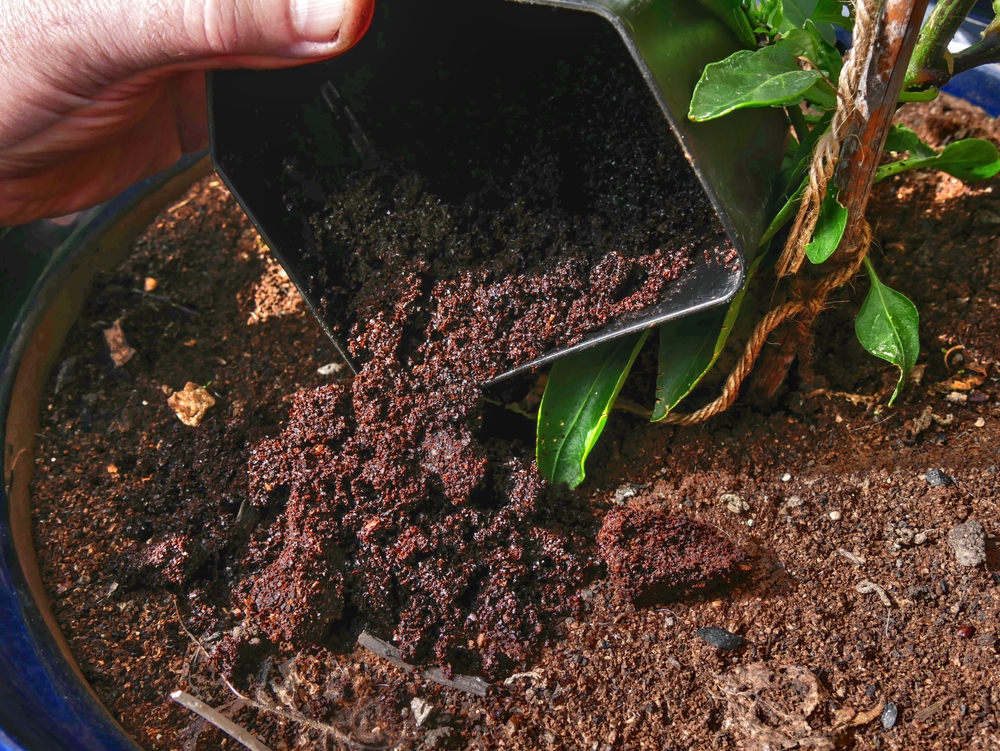
Heavy-feeding vegetables often respond dramatically to compost tea applications because they constantly pull nutrients from the soil during peak growth periods. Tomatoes frequently develop richer foliage and stronger fruit production when gardeners apply compost tea regularly around the root zone. Squash, cucumbers, peppers, and corn also appreciate the steady nutrient support and microbial boost. Leafy greens such as kale, spinach, and lettuce tend to produce lush growth after a few feedings during cool growing months. Container gardens especially benefit because potting soil loses nutrients much faster than in-ground beds.
Flower gardens also gain major benefits from compost and worm castings tea. Roses often produce brighter blooms and healthier leaves when gardeners spray diluted tea directly onto foliage. Annual flowers such as zinnias, marigolds, and petunias can maintain stronger color and longer blooming cycles with occasional feedings. Houseplants may even perk up after small applications because indoor soil ecosystems often become compacted and depleted over time. Gardeners who experiment with compost tea across different plants usually discover quickly which crops respond most enthusiastically.
Your Garden Soil Wants More Than Fertilizer
Healthy gardens rely on living soil packed with microbial activity, organic matter, and balanced nutrients working together beneath the surface. Compost tea and worm castings tea offer an affordable way to strengthen that underground ecosystem while recycling kitchen scraps and organic waste into something incredibly useful. Gardeners who stick with regular applications often notice better moisture retention, healthier plants, and improved harvests without relying heavily on synthetic fertilizers. The brewing process may look humble, but the results can completely change how a garden performs throughout the season. A bubbling bucket in the corner of the yard might become one of the hardest-working tools in the entire garden.
What plants in the garden respond best to compost tea or worm castings tea? Share favorite brewing tips, successes, and garden experiments in the comments below.
You May Also Like…
Why Adding Compost Now Can Transform Soil Quality
The Free Compost Trick: How to Turn Yard Waste Into $100 Worth of Soil
7 Spring Soil Picks That Thrive Early
Why Healthy Leaves Don’t Always Mean Strong Root Systems
Use These 8 Winter Composting Tips for Gardeners

Brandon Marcus is a staff writer for FrugalGardening.com at District Media, Inc., where he delivers practical gardening advice with a relatable, no-nonsense style. An avid amateur gardener, he holds a BA degree and with over ten years of professional writing experience, he is also an award-winning published author whose first book, Questions For Deep Thinkers, was released by Adams Media. His work has appeared in major publications including Fandom.com, CHUD.com, TheColdWire.com, and Fansided.com.
Leave a Reply