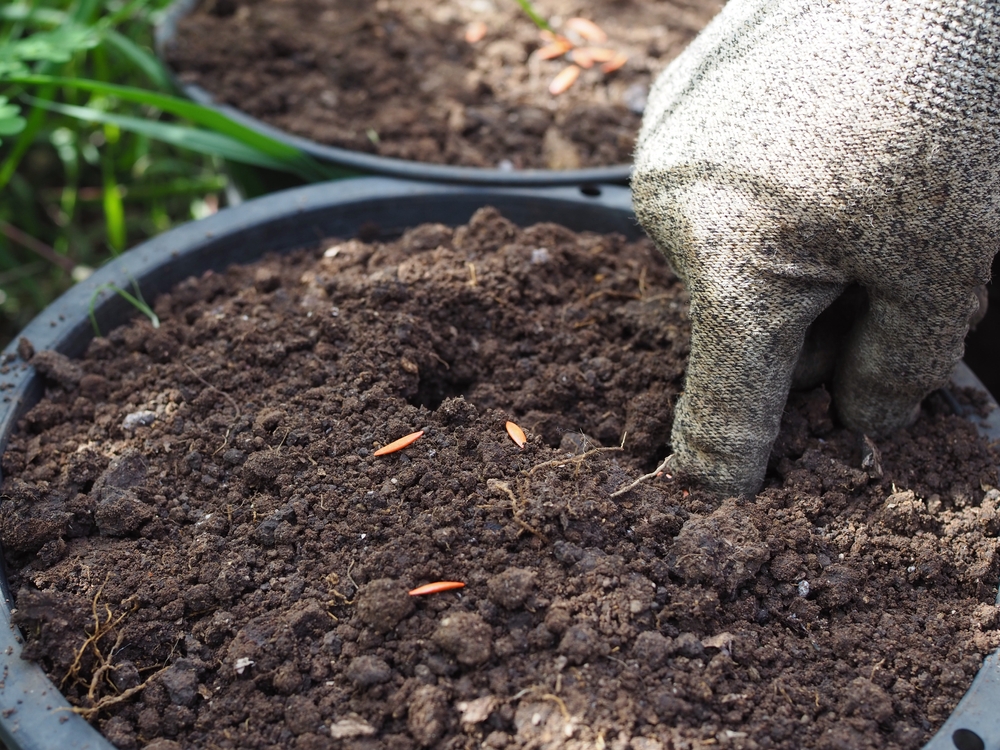
Dry soil doesn’t stop nature from putting on a masterclass in survival. Plants facing long stretches without rain don’t just “cope”—they engineer clever, efficient systems that stretch every drop of moisture. From desert landscapes to rocky backyard beds, these adaptations shape how plants grow, store water, and protect themselves from heat stress. Gardeners often struggle with dry patches that refuse to stay lush, yet many plants already solved this challenge millions of years ago.
These survival strategies reveal how roots, leaves, and even internal chemistry work together like a finely tuned survival toolkit. Exploring these adaptations can transform how any gardener approaches dry, stubborn soil.
1. Deep Taproots That Chase Hidden Water
Some plants send roots straight down like a spear searching for underground reservoirs. Taproots can reach several feet below the surface, tapping moisture that shallow-rooted plants never access. Mesquite trees and dandelions both rely on this strategy to stay hydrated during long dry spells. These roots also anchor plants firmly, which helps them resist wind and shifting soil. Gardeners benefit from this design by choosing deep-rooted species for drought-prone landscapes.
2. Waxy Leaf Coatings That Lock In Moisture
Many dry-soil plants develop thick, waxy coatings on their leaves to slow water loss. This natural barrier reduces evaporation during scorching midday heat. Lavender and agave both showcase this slick, protective surface that helps conserve internal moisture. The wax layer also reflects sunlight, which lowers leaf temperature and reduces stress. Gardeners often notice how these plants stay firm and healthy even when surrounding soil turns bone dry.
3. Small or Needle-Like Leaves That Reduce Water Loss
Plants in dry environments often shrink their leaf size to limit exposure to heat and wind. Needle-shaped leaves, like those on junipers and pines, reduce surface area and slow evaporation. Smaller leaves also reduce the number of stomata exposed to drying air. This compact design allows plants to conserve moisture without stopping photosynthesis entirely. Landscapes filled with these plants often maintain structure even during intense drought conditions.
4. Smart Stomata That Open and Close on Demand
Plants regulate tiny pores called stomata to control gas exchange and water loss. In dry conditions, stomata close during the hottest parts of the day to preserve moisture. Many species reopen them at night when temperatures drop and evaporation slows. This timing strategy helps plants balance survival with energy production. Gardeners can observe this behavior in many desert-adapted plants that appear “rested” during peak heat.
5. Water Storage Tissues That Act Like Living Reservoirs
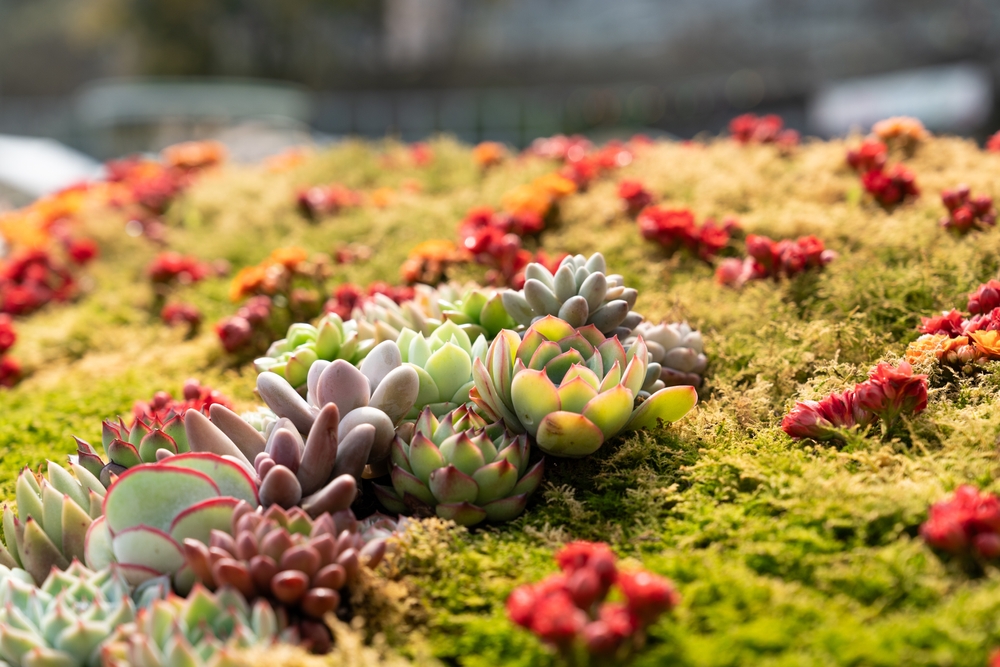
Succulent plants store water in thick, fleshy tissues that function like natural tanks. Aloe and cactus species rely on these storage systems to survive long periods without rain. These tissues expand when water becomes available and shrink slowly as reserves get used. This internal buffering system protects the plant from sudden drought stress. Many gardeners rely on succulents because they handle neglect and heat with impressive resilience.
6. CAM Photosynthesis That Works the Night Shift
Some plants switch their photosynthesis schedule to avoid daytime water loss. Crassulacean Acid Metabolism (CAM) plants open their stomata at night to capture carbon dioxide. They store that carbon for use during daylight hours when stomata stay closed. This process drastically reduces water loss during hot, dry days. Cacti and many succulents use this clever timing system to survive extreme environments.
7. Wide-Spreading Root Systems That Grab Every Drop
Instead of digging deep, some plants spread roots horizontally just below the soil surface. These roots quickly absorb rainwater before it evaporates or drains away. Grasses in arid regions often rely on this strategy to maximize short bursts of rainfall. The wide network also helps plants compete for limited moisture in crowded soils. Gardeners often use these species to stabilize dry, erosion-prone ground.
Survival Secrets Hidden Beneath Dry Soil
Dry soil doesn’t limit plant life—it shapes it into something remarkably efficient and inventive. Each adaptation, from deep roots to nighttime gas exchange, shows how plants engineer survival without extra water. These strategies also help gardeners choose the right plants for challenging landscapes without constant irrigation. Smart plant selection reduces water bills, improves garden stability, and strengthens long-term soil health. Dry environments push nature to innovate, and those innovations offer practical lessons for anyone working with tough ground.
What dry-soil plant adaptation surprises you the most when it shows up in your garden, and which one would fit best in your landscape?
You May Also Like…
7 Dry-Climate Selections That Thrive With Minimal Water
5 Soil Health Improvements That Deliver Quick Results
6 Companion-Friendly Pairings That Improve Soil Health
Why Leaves Droop Even When Soil Feels Moist
5 Tough Crops That Perform Well in Poor Soil

Brandon Marcus is a staff writer for FrugalGardening.com at District Media, Inc., where he delivers practical gardening advice with a relatable, no-nonsense style. An avid amateur gardener, he holds a BA degree and with over ten years of professional writing experience, he is also an award-winning published author whose first book, Questions For Deep Thinkers, was released by Adams Media. His work has appeared in major publications including Fandom.com, CHUD.com, TheColdWire.com, and Fansided.com.
Leave a Reply