Sandy soil can feel like a gardener’s wild card—fast-draining, low in nutrients, and tricky for picky plants. Yet that same gritty texture creates an opportunity for bold, resilient greenery that refuses to quit. With the right selections, sandy soil transforms into a thriving, low-maintenance garden space bursting with color, texture, and life.
Many American landscapes—especially coastal and drought-prone regions—already rely on plants that not only survive but actually prefer these conditions. The secret lies in choosing varieties built for endurance rather than pampering. Once those plants take root, the garden starts working smarter, not harder.
1. Lavender Brings Fragrance and Tough Beauty to Dry Beds
Lavender thrives in sandy soil because it hates wet feet and demands sharp drainage. Its roots stretch deep into loose ground, anchoring the plant while pulling up just enough moisture to stay vibrant. This Mediterranean favorite delivers silvery foliage that stays attractive even when blooms fade. Gardeners across the U.S. use lavender in borders, walkways, and rock gardens for reliable structure. Bees and butterflies also flock to its purple spikes, adding movement and pollination power to any yard.
Lavender also handles heat waves without losing its charm, making it a go-to for low-water landscapes. Once established, it rarely asks for attention beyond occasional pruning after bloom cycles. Its scent naturally repels some pests, which helps nearby plants stay healthier. Sandy soil only strengthens its performance because it prevents root rot and encourages airflow underground.
2. Yarrow Delivers Wild Beauty and Serious Resilience
Yarrow adapts to sandy soil like it was born there, spreading easily without becoming invasive trouble. Its flat-topped flower clusters come in shades of yellow, pink, and white, giving gardens a soft, meadow-like feel. Native to many parts of North America, this plant supports pollinators while resisting drought conditions with ease. Its fern-like foliage adds texture even before blooms appear, creating visual interest throughout the growing season.
Yarrow thrives in neglected corners where other plants struggle, turning bare ground into a colorful display. It tolerates heat, wind, and poor fertility without complaint, making it ideal for beginner gardeners. Cutting it back after flowering often encourages a second bloom cycle. Sandy soil helps yarrow avoid soggy roots, which keeps it vigorous year after year.
3. Sedum Stores Water and Shrugs Off Harsh Conditions
Sedum, often called stonecrop, thrives in sandy soil because it stores water in its thick, fleshy leaves. This succulent-like plant handles drought better than most ornamentals and still looks polished in tough climates. Its star-shaped flowers attract pollinators during late summer when many other plants fade. Groundcover varieties spread quickly, filling gaps between stones or along dry borders with ease.
Sedum also performs well in rock gardens and container plantings where drainage stays high. It rarely needs fertilizer, which makes it a budget-friendly landscaping choice. Even during hot spells, it keeps its color and structure without wilting. Sandy soil gives sedum exactly what it wants: fast drainage and minimal stress.
4. Russian Sage Creates Soft, Airy Movement in Dry Landscapes
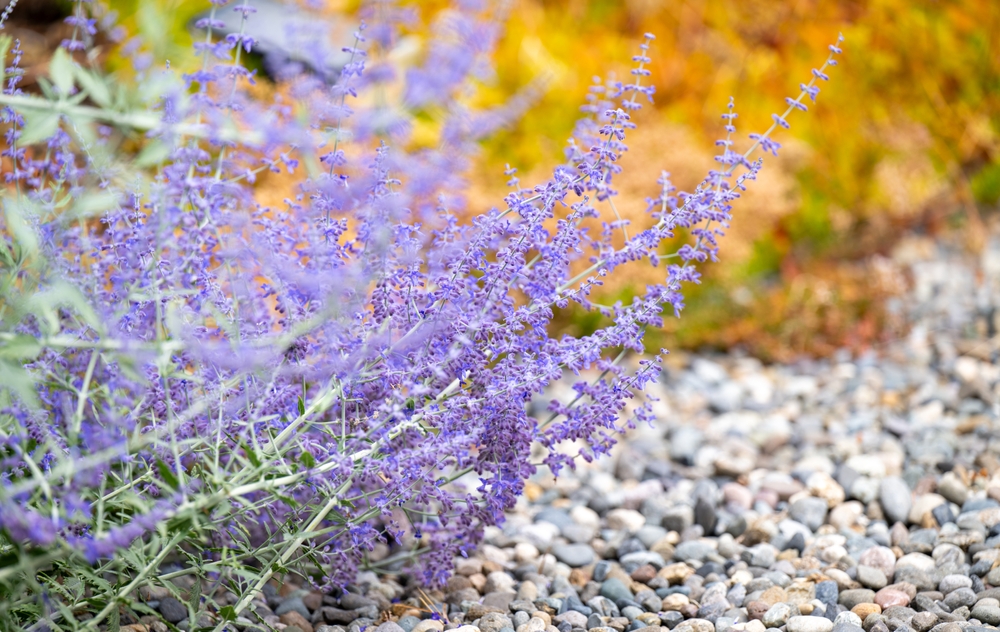
Russian sage stands tall and airy, offering lavender-blue blooms that sway beautifully in the wind. It thrives in sandy soil because it prefers lean, dry conditions over rich, heavy ground. This perennial builds a cloud-like effect in garden beds, softening hard edges and fences. Its silvery stems also bring year-round visual interest even after flowering ends.
This plant handles drought with ease and rarely suffers from pests or disease. Once established, it grows vigorously without constant care or watering. Gardeners often pair it with ornamental grasses for a natural, prairie-inspired look. Sandy soil keeps its roots healthy by preventing excess moisture buildup.
5. Beach Grass Anchors Loose Soil and Builds Coastal Strength
Beach grass stabilizes sandy soil with deep, spreading roots that hold shifting ground in place. It thrives along dunes and coastal areas where wind and salt challenge weaker plants. This grass grows in dense clumps that reduce erosion while creating natural barriers. Its tall blades move beautifully with the wind, adding motion to rugged landscapes.
Landscapers often use beach grass to restore damaged coastal zones and protect shorelines. It requires almost no maintenance once established, even in harsh environments. Sandy soil gives it the perfect structure to expand and strengthen its root system. This plant proves that function and beauty can work together seamlessly.
6. Coreopsis Brightens Sandy Gardens with Long-Lasting Color
Coreopsis, often called tickseed, produces cheerful yellow blooms that light up sandy landscapes. It thrives in poor soil and keeps flowering even when conditions turn dry and hot. This perennial attracts butterflies and beneficial insects throughout the growing season. Its fine foliage adds softness that balances stronger structural plants.
Coreopsis performs well in borders, wildflower gardens, and roadside plantings across the United States. It self-seeds lightly, creating natural drifts without overwhelming nearby plants. Regular deadheading encourages even more blooms during summer months. Sandy soil supports its preference for drainage and prevents root-related issues.
7. Blanket Flower Turns Heat and Dryness into Bold Color
Blanket flower brings fiery reds, oranges, and yellows that stand out in sandy soil gardens. This native perennial thrives in dry conditions and keeps blooming through intense summer heat. Its daisy-like flowers create nonstop color that lasts for months. Pollinators rely on it heavily, especially in open, sun-drenched spaces.
This plant handles neglect surprisingly well and continues performing without constant feeding or watering. It grows quickly from seed, making it a cost-effective landscaping choice. Sandy soil helps prevent overwatering problems that often shorten its lifespan. Blanket flower adds bold personality to any tough, dry garden space.
8. Rosemary Offers Culinary Value and Landscape Toughness
Rosemary thrives in sandy soil thanks to its preference for dry, well-drained conditions. This aromatic shrub delivers needle-like foliage that works in both ornamental and edible gardens. Its blue flowers attract bees and enhance pollination in nearby crops. Many gardeners use it as a hedge, border plant, or container centerpiece.
Rosemary tolerates heat and drought once its roots settle into the soil. It rewards gardeners with year-round harvest potential in warmer regions. Sandy soil prevents root rot, which often damages this Mediterranean herb in heavier soils. Its fragrance also adds sensory appeal to outdoor spaces.
A Sandy Soil Garden That Works With Nature Instead of Against It
Sandy soil does not limit creativity—it opens the door to resilient, low-maintenance gardening that thrives on simplicity. Each of these plants proves that beauty and toughness can grow side by side without constant intervention. Once established, these selections reduce water use, attract pollinators, and bring structure to even the harshest conditions. Gardeners who embrace sandy soil often discover that less effort leads to more consistent results. Smart plant choices turn challenging ground into a dependable, living landscape that evolves with the seasons.
What sandy soil plant deserves a spot in more gardens across America, and what has grown best in real-life yards? Give us your thoughts below in our comments!
You May Also Like…
The Soil Compaction Problem That Limits Root Expansion
5 Indicators Your Soil Needs Nutrient Support
6 Selections That Perform Well in Clay Soil
Why Airflow Matters More Than You Think in Dense Gardens
5 Easy Crops for First-Time Gardeners

Brandon Marcus is a staff writer for FrugalGardening.com at District Media, Inc., where he delivers practical gardening advice with a relatable, no-nonsense style. An avid amateur gardener, he holds a BA degree and with over ten years of professional writing experience, he is also an award-winning published author whose first book, Questions For Deep Thinkers, was released by Adams Media. His work has appeared in major publications including Fandom.com, CHUD.com, TheColdWire.com, and Fansided.com.
Leave a Reply