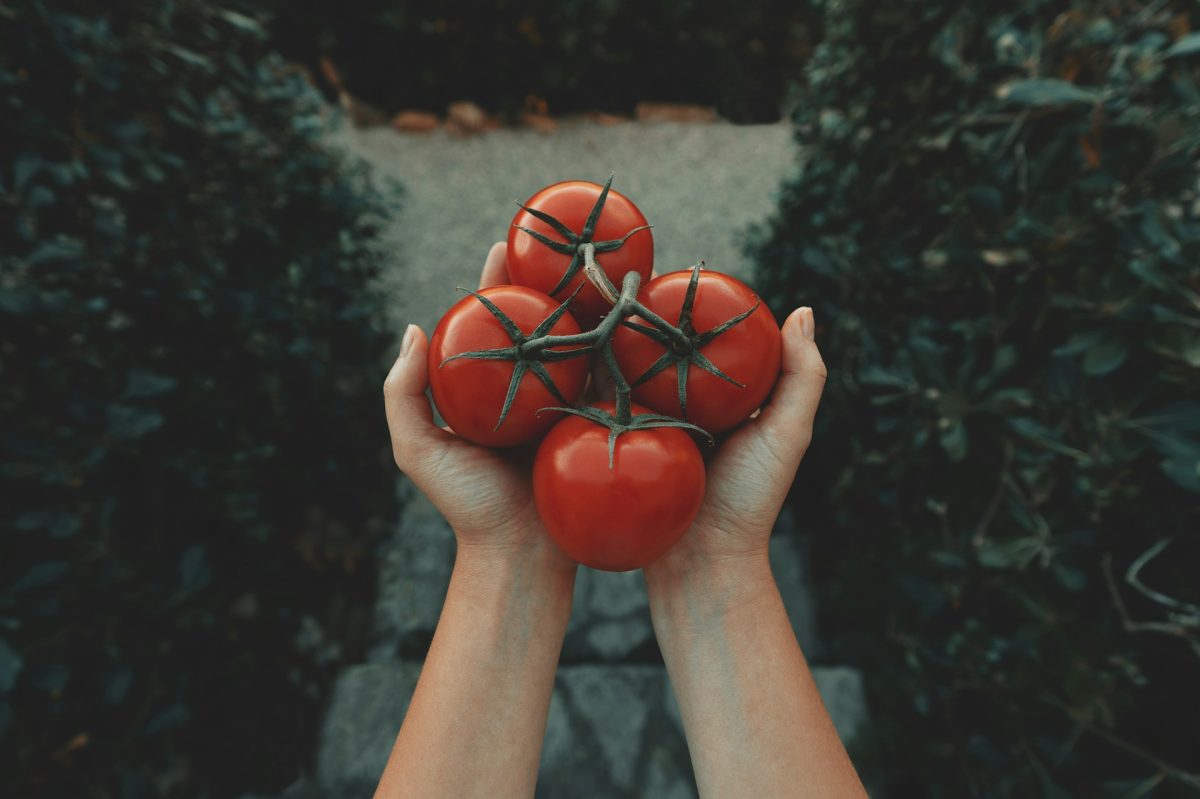
Tomato plants often look like overachievers early in the season, bursting with lush green leaves that promise a future of juicy harvests. Then the waiting game begins—and somehow, those fruits refuse to show up on schedule. That leafy explosion might look impressive, but it often signals an imbalance that keeps plants focused on growth instead of production.
Gardeners who recognize these signals early can step in and redirect energy where it belongs. A few smart adjustments can turn that leafy jungle into a fruit-producing powerhouse.
Too Much Nitrogen Sends Tomatoes Into Leaf Mode
Nitrogen acts like rocket fuel for leafy growth, and tomato plants gladly take the offer when it shows up in abundance. Fertilizers with high nitrogen levels push plants to grow tall, thick, and vibrant, but they quietly delay flower and fruit development. Gardeners often unknowingly create this situation by using lawn fertilizers nearby or applying compost that still contains rich nitrogen content. A tomato plant in this condition looks incredibly healthy at first glance, which makes the problem tricky to spot. Leaves grow dense and deep green, while flowers remain scarce or completely absent.
Balanced feeding changes everything when nitrogen runs too high. Switching to a fertilizer with higher phosphorus and potassium levels encourages flowering and fruiting instead of endless leaf growth. Many experienced gardeners rely on formulas labeled for tomatoes or vegetables to avoid this imbalance altogether. A simple soil test can reveal exactly what nutrients dominate the garden bed, removing all guesswork. Once nutrients fall back into balance, plants shift focus and begin producing blossoms that lead to fruit.
Insufficient Sunlight Slows Down Fruit Development
Tomatoes crave sunlight with a passion, and they demand at least six to eight hours of direct exposure every single day. When plants sit in partial shade, they still grow leaves but hesitate to move forward with flowering and fruiting. Leaves stretch toward any available light, creating a leggy, sprawling appearance that lacks productivity. Nearby trees, fences, or even taller garden plants often block the sunlight that tomatoes need. That subtle lack of exposure quietly delays the entire fruiting process.
Moving plants into a brighter spot often fixes the issue faster than expected. Container-grown tomatoes offer flexibility, allowing gardeners to chase the sun throughout the season. In-ground plants benefit from strategic pruning of nearby obstacles that cast shadows during peak daylight hours. Sunlight fuels photosynthesis, and strong photosynthesis powers fruit production in a big way. Once plants soak in consistent sunlight, they begin forming flowers and transitioning into fruiting mode.
Overwatering Creates Stress Without Visible Warning
Tomatoes enjoy consistent moisture, but soggy soil creates hidden stress that disrupts fruit production. Roots need oxygen just as much as they need water, and overly wet conditions suffocate them quickly. A stressed root system struggles to support flowering, even when the plant appears leafy and full above ground. Leaves may remain green and plentiful, masking the underlying issue entirely. That silent stress delays blossoms and reduces the chances of healthy fruit formation.
A smarter watering routine transforms plant health almost immediately. Soil should feel moist but never waterlogged, with proper drainage playing a crucial role in maintaining balance. Raised beds or well-amended soil help excess water escape, protecting roots from damage. Gardeners who check soil moisture before watering avoid the common trap of overdoing it. With healthier roots, tomato plants regain their ability to produce flowers and set fruit efficiently.
Temperature Swings Disrupt Flower Formation
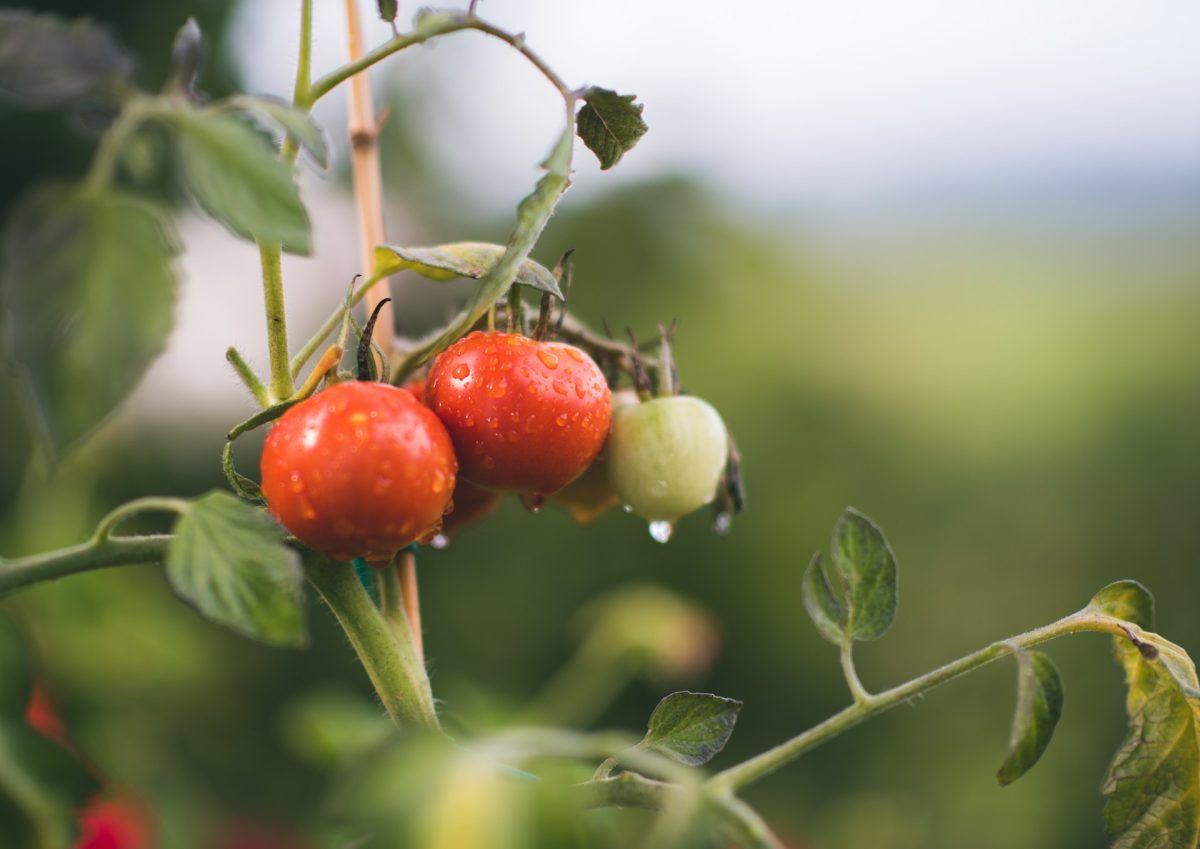
Tomatoes thrive in warm, stable conditions, and dramatic temperature swings throw them completely off track. When daytime temperatures climb above 90°F or nighttime temperatures drop below 55°F, plants pause flower production. Leaves continue growing because the plant still focuses on survival, not reproduction. This survival mode delays fruiting and frustrates even experienced gardeners. Weather patterns often play the biggest role here, especially during early or late growing seasons.
Protecting plants from extreme conditions helps maintain steady growth and fruit production. Gardeners often use row covers, shade cloth, or strategic planting times to avoid temperature stress. Choosing heat-tolerant or cold-resistant tomato varieties also makes a noticeable difference in unpredictable climates. Consistency matters more than perfection when it comes to temperature. Once conditions stabilize, plants resume flowering and move toward fruit development.
Lack of Pollination Keeps Flowers From Becoming Fruit
Flowers mark an important milestone, but they need successful pollination to transform into tomatoes. Without proper pollination, blossoms drop off without producing fruit, leaving behind only leafy growth. Wind and pollinators like bees typically handle this job, but calm weather or limited insect activity can interfere. Indoor or greenhouse-grown tomatoes often face this challenge more frequently. Even outdoor gardens experience pollination gaps during certain conditions.
Encouraging pollination brings plants back on track quickly. Gently shaking tomato plants or tapping their stems helps distribute pollen when natural movement falls short. Attracting pollinators with nearby flowers boosts activity and improves fruit set. Some gardeners even use a small brush to transfer pollen manually between flowers. Once pollination succeeds, those blooms turn into developing tomatoes instead of falling away.
Pruning Mistakes Can Delay Fruiting Progress
Pruning helps shape tomato plants and improve airflow, but aggressive trimming can backfire fast. Removing too many leaves forces plants to redirect energy toward regrowth instead of fruit production. Leaves act as solar panels, capturing sunlight and fueling the entire plant. When too many disappear, plants struggle to maintain momentum. That setback often delays flowering and fruiting stages.
Strategic pruning creates a healthier balance without sacrificing productivity. Removing suckers and lower leaves improves airflow and reduces disease risk without overwhelming the plant. Gardeners who prune gradually allow plants to adjust without stress. Observing plant response after each pruning session provides valuable feedback for future care. A balanced approach keeps plants focused on both growth and fruit production.
Turning Leaves Into Tomatoes
Tomato plants rarely act stubborn without a reason, and every leafy overload points to a fixable issue. Nutrient balance, sunlight, watering habits, temperature stability, and pollination all play direct roles in fruit production. Gardeners who pay attention to these factors gain control over plant performance instead of guessing. Small changes often deliver big results within a short time. Healthy plants naturally shift from leafy growth to fruiting once conditions align.
A thriving tomato plant tells a story through its growth patterns, and those signals guide smarter decisions in the garden. Observing changes, adjusting care, and staying consistent leads to a steady harvest season after season. Every garden presents unique challenges, but the solutions remain surprisingly simple with the right approach. Tomatoes reward attention and patience with an abundance of flavorful fruit.
What changes will bring these plants from leafy giants to fruit-producing champions this season? Let’s hear your thoughts below in our lively comments section.
You May Also Like…
The Baking Soda Secret for Sweeter Tomatoes Every Time
Why Leaves Turn Yellow Even When You’re Doing Everything Right
7 Vegetables That Germinate Fast Even in Unpredictable Spring Weather
Why Some Residents Are Being Fined for Growing Vegetables in the Front Yard
This Backyard Weed Is Hosting a Virus That’s Killing Tomato Plants

Brandon Marcus is a staff writer for FrugalGardening.com at District Media, Inc., where he delivers practical gardening advice with a relatable, no-nonsense style. An avid amateur gardener, he holds a BA degree and with over ten years of professional writing experience, he is also an award-winning published author whose first book, Questions For Deep Thinkers, was released by Adams Media. His work has appeared in major publications including Fandom.com, CHUD.com, TheColdWire.com, and Fansided.com.
Leave a Reply