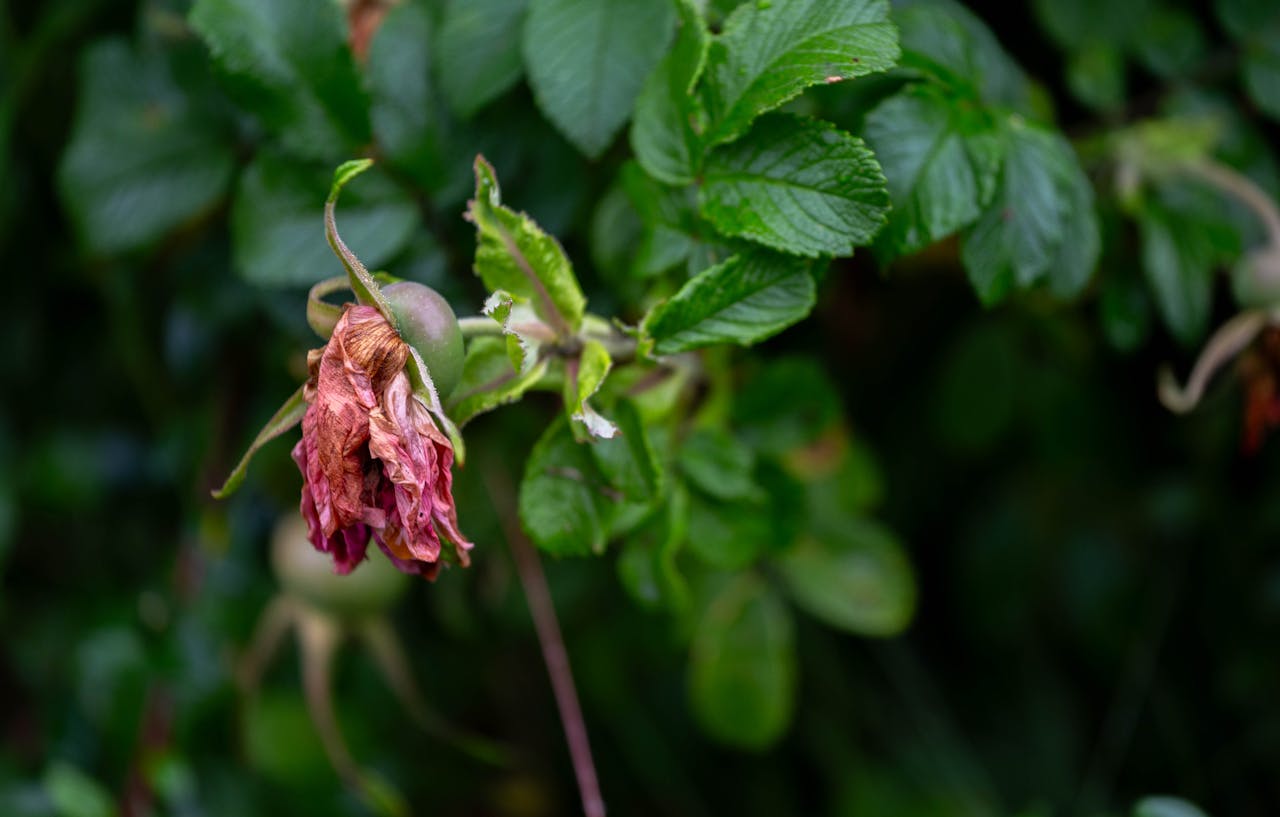
Gardens often tell a strange story. Everything looks right on the surface, yet progress suddenly slows without warning. Leaves stop stretching, stems lose their energy, and blooms hesitate as if waiting for permission that never arrives. Even carefully tended spaces can hit invisible roadblocks that confuse and frustrate gardeners. The secret often hides beneath what the eye can easily see, where subtle imbalances quietly shift the rhythm of growth.
Healthy-looking environments can still mask deeper tension. Soil may hold too much of one nutrient while lacking another, or roots may struggle in compacted zones that restrict movement. Sunlight might feel abundant but arrive at inconsistent angles that disrupt steady development. Growth stalls rarely happen for dramatic reasons, which makes them harder to spot and even harder to fix.
The Hidden Stress Beneath Perfect Conditions
Plants often respond to invisible stress long before visible signs appear. Temperature swings, micro-drafts, or inconsistent humidity levels can quietly interrupt internal processes. Even when everything appears balanced, plants may redirect energy toward survival instead of expansion. This shift creates a slowdown that looks like laziness but actually signals adaptation.
Subtle environmental pressure often builds slowly over time. A plant might appear stable while internally adjusting to repeated minor disruptions. These adjustments drain energy reserves that normally fuel new growth. Eventually, the plant pauses outward development to stabilize its foundation first.
Soil Imbalance That No One Notices
Soil rarely stays perfectly balanced without intervention. Nutrients shift as plants absorb them, and some elements accumulate while others disappear faster than expected. Excess nitrogen, for example, can push leafy growth while blocking flowering and structural strength. Deficiencies create similar confusion, forcing plants to ration energy in unpredictable ways.
Microbial life in soil also plays a major role in growth consistency. Healthy microbes break down organic material and release nutrients in usable forms. When this ecosystem weakens, plants lose steady access to what they need most. Growth stalls often begin right at this microscopic level, long before visible decline appears above ground.
When Light, Water, and Timing Disagree
Light exposure drives plant energy, but even small inconsistencies can disrupt growth cycles. A plant may receive strong light in the morning but struggle with harsh, dehydrating afternoon exposure. These shifts force constant adjustment, which slows long-term development. Stability matters more than intensity in many cases.
Water patterns create another layer of complexity. Overwatering suffocates roots while underwatering forces survival mode. Timing also influences how effectively plants absorb moisture and nutrients. When these three factors fall out of sync, growth pauses as plants attempt to recalibrate internal balance.
Root Bound Energy and Overcrowded Growth
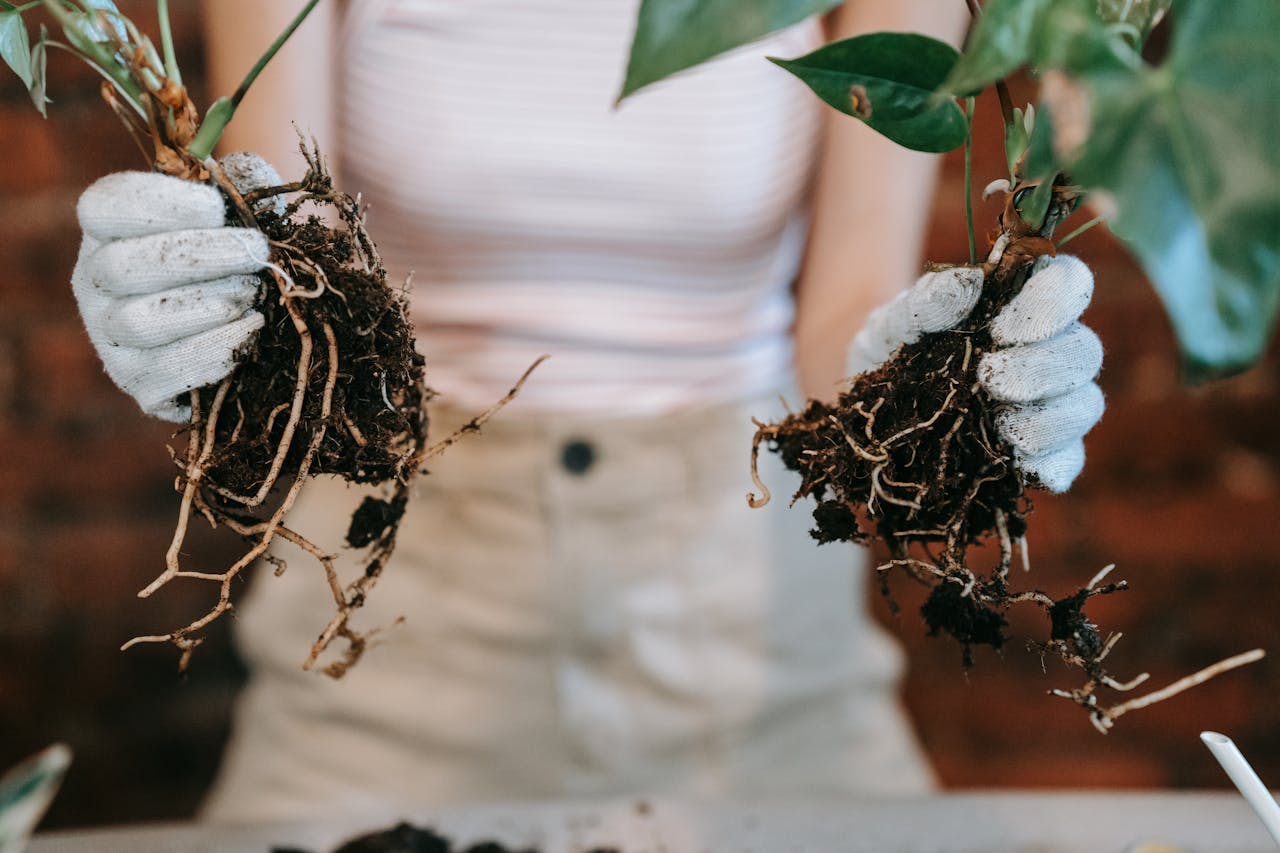
Roots determine how effectively a plant accesses resources. When roots become cramped, they start circling within limited space instead of expanding outward. This restriction limits nutrient uptake and slows visible growth above ground. Even healthy soil cannot compensate for physical root limitations.
Overcrowding creates competition that drains energy quickly. Multiple plants sharing tight space compete for the same resources, which forces survival prioritization over expansion. Growth stalls often emerge when plants shift focus from thriving to simply enduring. Strategic spacing allows roots to breathe, spread, and reestablish momentum.
How to Restart Growth Without Starting Over
Restoring stalled growth requires observation before action. Careful inspection of soil texture, moisture patterns, and root space reveals hidden constraints that limit progress. Adjusting one factor at a time prevents additional stress and allows plants to respond naturally. Rapid changes often create more disruption than improvement.
Even small corrections often produce the strongest results. Aerating soil improves oxygen flow and encourages microbial activity. Adjusting watering schedules restores balance without shocking the system. Repositioning plants for more consistent light exposure can reignite stalled energy within days or weeks.
Get Your Plants’ Growth Back On Track
Growth rarely stops without reason, even when conditions appear flawless. Hidden stress, soil imbalance, inconsistent environmental rhythms, and restricted root systems all work quietly beneath the surface. Once those factors come into focus, stalled growth starts to make sense instead of feeling like a mystery. Gardens respond quickly when conditions finally align with their natural rhythm again.
What hidden factor has caused growth to stall in your garden, even when everything looked perfect on the surface? This is a vital topic for all green thumbs, so let’s hear more about it below in our comments.
You May Also Like…
6 Culinary Herbs That Take Off Quickly When Planted Now
The $100 Mistake: Why Most New Gardeners Kill Their Plants in the First Week
The Molasses Mystery: Why Sugar Makes Your Microbes (And Plants) Go Wild
Why “Ugly” Plants are Actually a Budget Gardener’s Best Friend
How to Grow Tomatoes Successfully Without Buying Store Transplants

Brandon Marcus is a staff writer for FrugalGardening.com at District Media, Inc., where he delivers practical gardening advice with a relatable, no-nonsense style. An avid amateur gardener, he holds a BA degree and with over ten years of professional writing experience, he is also an award-winning published author whose first book, Questions For Deep Thinkers, was released by Adams Media. His work has appeared in major publications including Fandom.com, CHUD.com, TheColdWire.com, and Fansided.com.
Leave a Reply