A thriving herb garden delivers more than just greenery—it brings bold flavor, serious savings, and that satisfying “grown-it-yourself” bragging right. Some herbs don’t waste time, either; they shoot up quickly, fill out beautifully, and start producing usable leaves in just a few weeks.
That speed makes them perfect for impatient gardeners and anyone who wants quick wins without a complicated setup. A few pots, decent sunlight, and consistent watering create a mini harvest station right outside the door. These six culinary herbs stand out for their rapid growth and big kitchen payoff.
1. Basil Brings Big Flavor Fast with Minimal Fuss
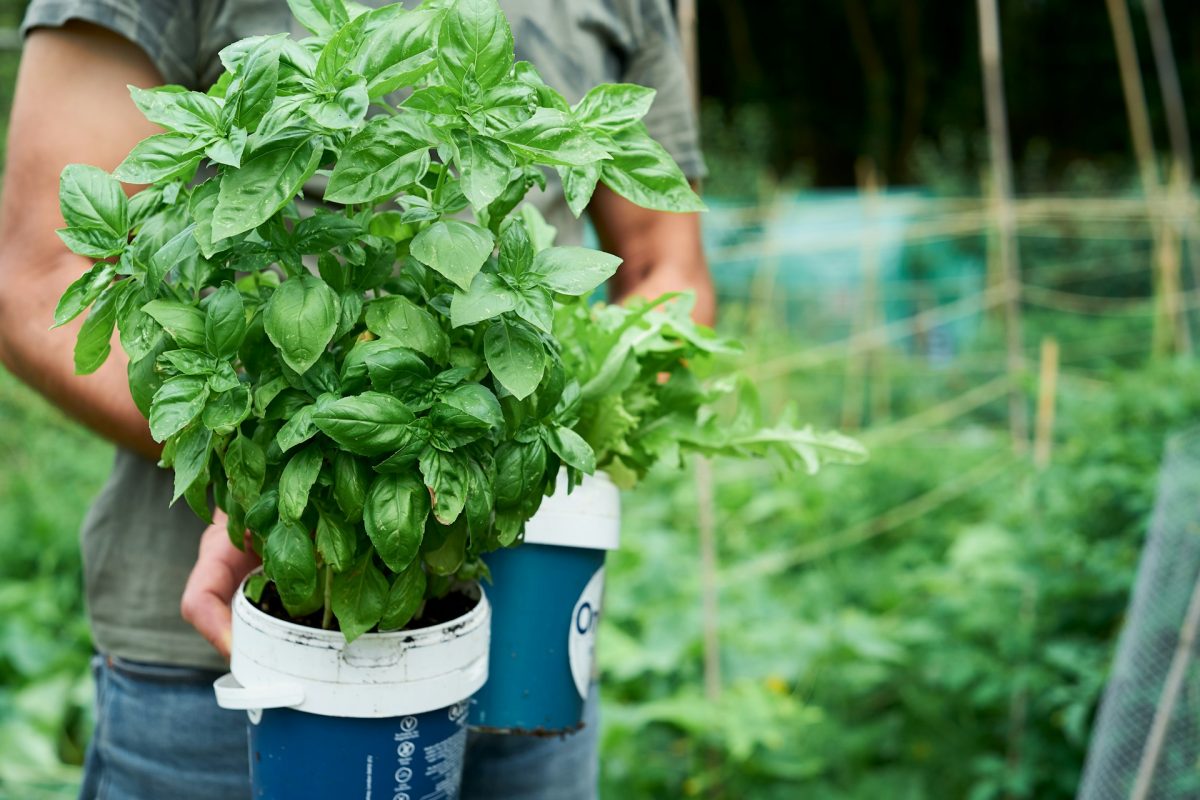
Basil doesn’t tiptoe into the garden; it charges in with lush leaves and unmistakable aroma that practically demands attention. Warm soil and steady sunlight push basil into overdrive, often producing harvestable leaves in as little as three to four weeks. Frequent harvesting actually encourages bushier growth, which means more pesto, more garnish, and more flavor-packed meals. Gardeners who pinch off the top leaves regularly end up with fuller, healthier plants that resist legginess. Basil thrives in containers, raised beds, or even a sunny windowsill, making it one of the most accessible herbs around.
Consistent watering keeps basil happy, but soggy soil will quickly cause problems, so drainage matters just as much as moisture. A light, well-draining potting mix works better than dense garden soil, especially in containers where roots need room to breathe. Feeding basil with a balanced liquid fertilizer every couple of weeks boosts growth and keeps those leaves vibrant and tender. Pests like aphids occasionally show up, but a quick rinse or gentle soap spray usually handles the issue. With a little attention and regular harvesting, basil rewards effort with an almost nonstop supply of fresh leaves.
2. Cilantro Shoots Up Quickly and Packs a Fresh Punch
Cilantro wastes no time getting established, which makes it a favorite for quick harvest cycles and successive planting. Seeds germinate fast, often within a week, and young leaves appear shortly after, ready to elevate everything from tacos to salads. Cool temperatures help cilantro thrive, so planting early gives it a strong head start before heat triggers bolting. Frequent cutting delays flowering and extends the harvest window, keeping that fresh, citrusy flavor coming. Even small spaces can support cilantro, especially when grown in compact containers or tight garden corners.
Careful watering helps cilantro stay productive without turning the soil into a swamp. This herb prefers evenly moist conditions, but roots need oxygen, so well-drained soil plays a crucial role in preventing rot. A light feeding during its growth phase helps produce lush foliage without sacrificing flavor intensity. Cilantro often gets a reputation for short life spans, but staggered planting every couple of weeks keeps a steady supply on hand. That simple trick transforms a fleeting herb into a reliable kitchen staple.
3. Chives Grow Like a Dream and Keep Coming Back
Chives bring both speed and reliability to the garden, offering quick growth and long-term returns. Slender green shoots appear rapidly after planting, often ready for trimming within a few weeks. Cutting chives encourages new growth, which means a single plant can provide harvest after harvest without slowing down. Their mild onion flavor fits effortlessly into eggs, soups, and salads, making them one of the most versatile herbs available. Chives also produce attractive purple flowers that attract pollinators while adding visual charm.
Low maintenance defines chives, making them ideal for beginners who want success without constant monitoring. They tolerate a range of soil conditions, though they perform best in well-drained, moderately rich soil. Regular watering supports steady growth, but chives handle occasional dryness better than fussier herbs. Dividing clumps every year or two keeps plants vigorous and prevents overcrowding. With minimal effort, chives deliver a consistent, flavorful harvest that feels almost effortless.
4. Mint Spreads Quickly and Delivers Endless Leaves
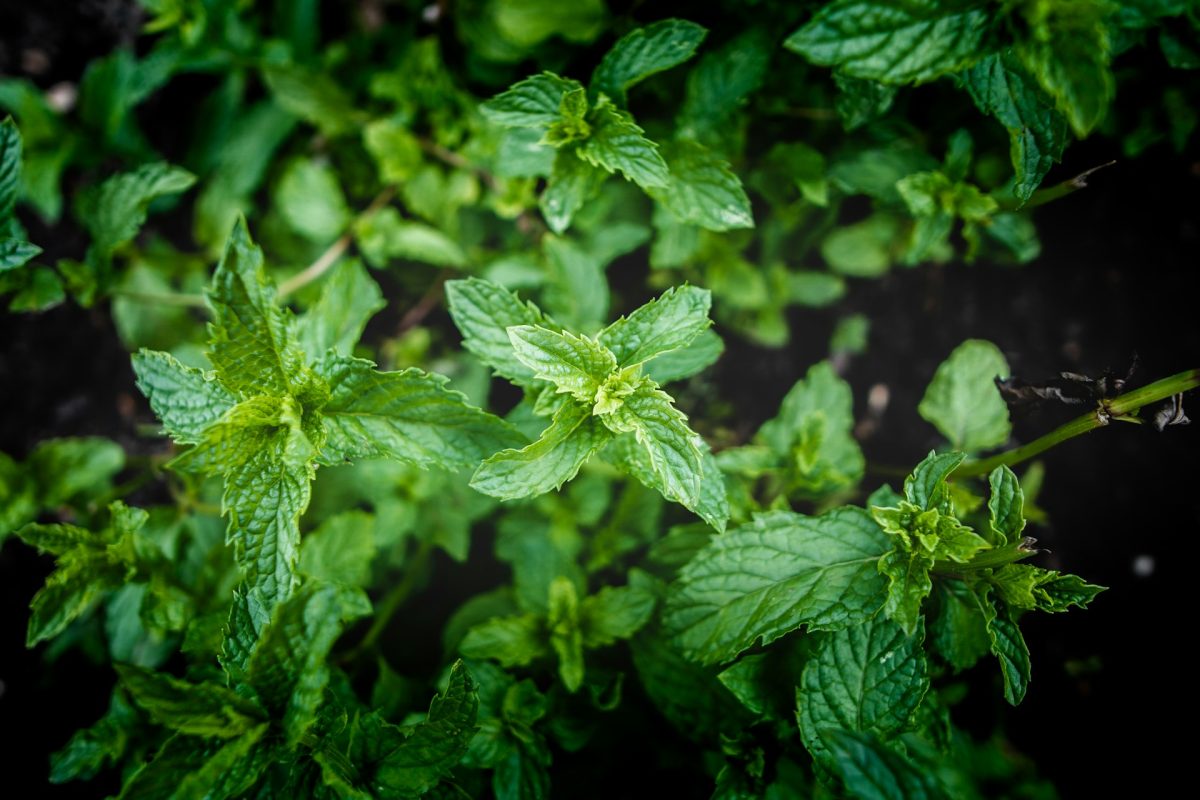
Mint doesn’t just grow—it expands with enthusiasm that can quickly take over any available space. That aggressive growth makes it one of the fastest herbs to establish and harvest, often producing usable leaves within weeks. Its refreshing flavor enhances drinks, desserts, and savory dishes, making it a true multitasker in the kitchen. Gardeners often contain mint in pots to control its spread while still enjoying its rapid production. Even beginners find success with mint thanks to its forgiving nature.
Regular pruning keeps mint tidy and encourages even more leaf production, turning a single plant into a steady supply source. Consistent moisture helps mint thrive, though it tolerates occasional neglect better than most herbs. Rich soil boosts growth, but mint adapts to less-than-perfect conditions without much complaint. Keeping it contained prevents it from crowding out neighboring plants, especially in garden beds. With a little management, mint delivers abundance without chaos.
5. Dill Sprouts Fast and Adds Bold Garden Personality
Dill jumps out of the soil quickly, often germinating in less than ten days and producing feathery leaves soon after. Its unique flavor pairs perfectly with fish, potatoes, and pickled dishes, making it a standout addition to any herb lineup. Dill thrives in full sun and well-drained soil, where it grows tall and airy with minimal effort. Regular harvesting keeps plants productive and prevents premature flowering. Its distinctive look also adds texture and height to garden spaces.
This herb prefers cooler conditions, so early planting gives it the best chance to flourish before intense heat arrives. Dill doesn’t transplant well, so direct sowing works better for strong root development. Light watering keeps soil moist without overwhelming the roots, which dislike standing water. Allowing some plants to flower and set seed ensures a future crop, as dill often self-seeds generously. That natural cycle makes dill both a quick grower and a long-term garden companion.
6. Parsley Establishes Quickly and Rewards Patience with Plenty
Parsley may not seem flashy at first, but it quickly proves its value with steady, reliable growth. Seeds germinate in about two to three weeks, and once established, parsley produces abundant foliage for months. Its clean, slightly peppery flavor enhances everything from sauces to roasted vegetables. Frequent harvesting encourages fresh growth and prevents the plant from becoming woody or overgrown. Flat-leaf varieties tend to grow faster, though curly types offer decorative appeal.
Rich, well-drained soil supports parsley’s development, especially when combined with consistent watering. This herb prefers steady moisture, but roots need breathing room, so proper drainage remains essential. A light feeding schedule keeps leaves vibrant and full of flavor without pushing excessive growth. Parsley handles partial shade better than many herbs, which adds flexibility in garden placement. With a little care, parsley transforms into a dependable, long-lasting addition to any herb garden.
The Secret to a Fast, Flavor-Packed Herb Garden
Fast-growing herbs reward action, consistency, and a willingness to harvest early and often. Each of these six options delivers quick results, but success depends on simple habits like proper watering, good soil, and regular trimming. Gardeners who stay engaged with their plants often see better yields and stronger flavors, especially when they adapt to each herb’s needs. Even small adjustments—like improving drainage or adjusting sunlight—can dramatically boost growth speed. A well-tended herb garden doesn’t just grow quickly; it becomes a reliable, flavorful extension of the kitchen.
Which of these fast-growing herbs will claim a spot in the garden this season?
You May Also Like…
How to Grow Fresh Herbs on a Windowsill Without Buying Garden Soil
How to Grow Herbs Without Buying Starters
Why DIY Bath Salts From Garden Herbs May Be Causing Skin Reactions
7 Mistakes That Make Indoor Herbs Weak and Leggy
Grow This Indoors and You’ll Have Fresh Herbs All Winter

Brandon Marcus is a staff writer for FrugalGardening.com at District Media, Inc., where he delivers practical gardening advice with a relatable, no-nonsense style. An avid amateur gardener, he holds a BA degree and with over ten years of professional writing experience, he is also an award-winning published author whose first book, Questions For Deep Thinkers, was released by Adams Media. His work has appeared in major publications including Fandom.com, CHUD.com, TheColdWire.com, and Fansided.com.
Leave a Reply