Scorching days don’t have to spell disaster for a garden. While many plants wilt and wave the white flag when temperatures climb, a select group thrives in the heat and even seems to celebrate it. Choosing the right plants transforms a struggling yard into a bold, colorful space that laughs in the face of blazing sun.
Smart gardeners know that heat-tolerant varieties save water, reduce maintenance, and keep outdoor spaces looking polished without constant babysitting. The real trick lies in picking plants that don’t just survive—but absolutely flourish when summer turns up the intensity.
1. Lantana Brings Relentless Color Without the Drama
Lantana storms into the garden with vibrant clusters that refuse to fade under intense sun. This plant handles heat like a champion and keeps blooming when others shut down. Gardeners love how it attracts butterflies while shrugging off drought conditions with ease. Its tough nature makes it a go-to choice for anyone tired of constant watering schedules. Bright oranges, pinks, and yellows turn any space into a lively summer display.
Lantana doesn’t just survive tough conditions—it thrives in them. It performs best in well-drained soil and actually prefers a bit of neglect, making it perfect for busy schedules. Overwatering causes more harm than good, so restraint becomes the winning strategy here. A quick trim encourages even more blooms and keeps the plant looking tidy. For anyone building a low-maintenance garden, lantana delivers serious value.
2. Succulents Store Water Like Nature’s Backup Plan
Succulents dominate hot-weather gardening thanks to their built-in water storage systems. Thick, fleshy leaves hold moisture, allowing these plants to power through long dry spells. They come in endless shapes and colors, offering both variety and visual interest. Extreme heat doesn’t scare them—in fact, many varieties demand it. Their resilience makes them ideal for containers, rock gardens, and sunny borders.
These plants thrive when gardeners resist the urge to fuss over them. Too much water creates root rot, which ranks as their biggest threat. Fast-draining soil keeps them healthy and prevents moisture buildup. Grouping different succulents together creates a striking display with minimal effort. With the right setup, they deliver maximum impact with almost zero stress.
3. Zinnias Keep the Garden Party Going All Summer
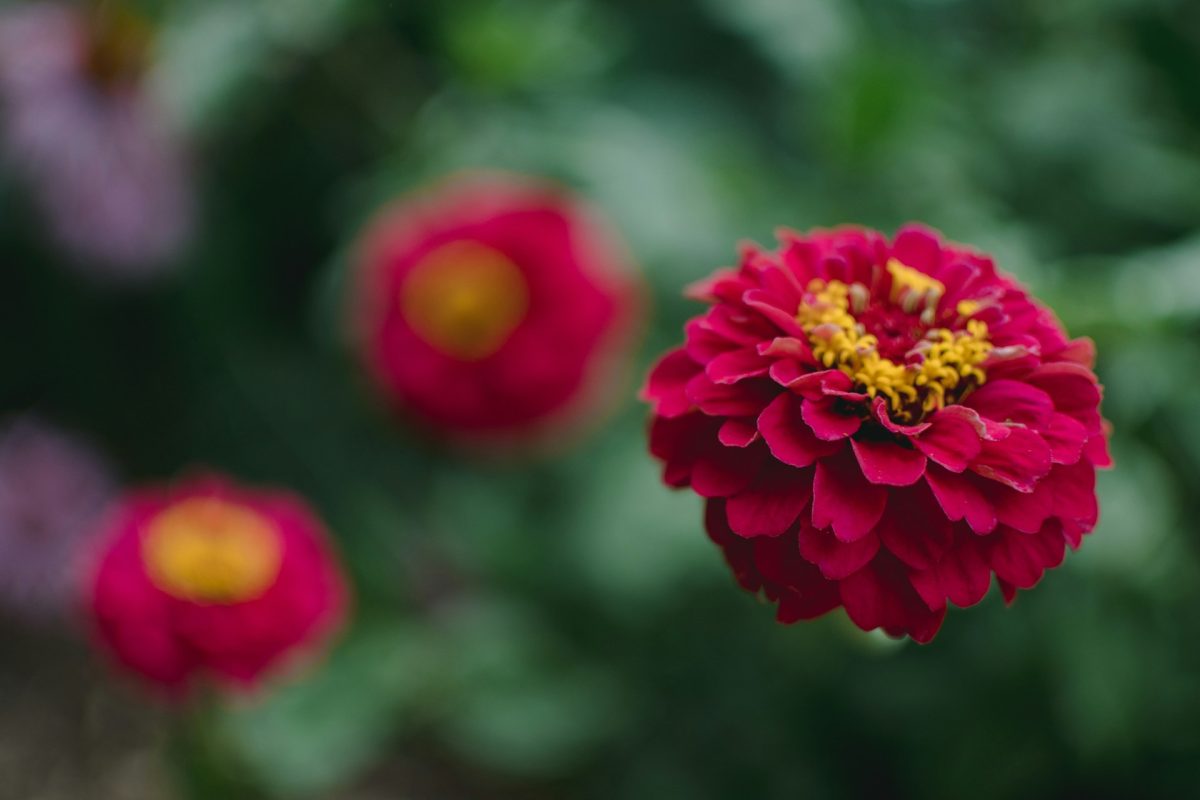
Zinnias explode with bold color and refuse to quit, even during peak heat waves. These annuals bloom fast and keep producing flowers for months. Gardeners love their cheerful look and how easily they grow from seed. Heat and sunshine fuel their performance rather than weaken it. Their vibrant presence adds instant personality to any garden bed.
Zinnias reward simple care with big results. Regular deadheading encourages nonstop blooming and keeps the plants looking fresh. They prefer full sun and well-drained soil, making them easy to place in most yards. Spacing them properly improves airflow and reduces disease risk. For anyone chasing a bright, carefree summer garden, zinnias deliver every time.
4. Lavender Combines Beauty, Fragrance, and Toughness
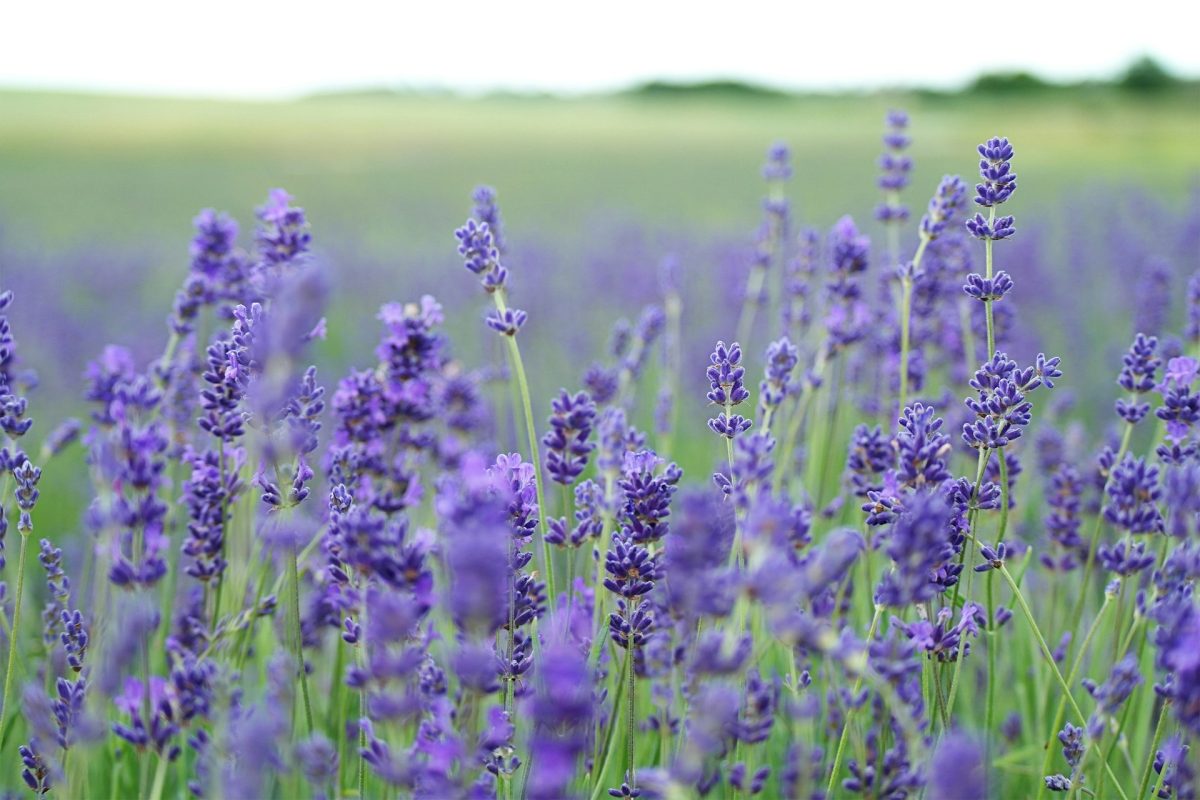
Lavender thrives under blazing sun and turns dry conditions into an advantage. Its silvery foliage and purple blooms create a calming, elegant look. Heat intensifies its fragrance, filling outdoor spaces with a soothing scent. This plant handles drought with ease once it establishes strong roots. It also attracts pollinators while keeping pests at bay.
Proper placement makes all the difference with lavender. It demands excellent drainage and struggles in heavy, wet soil. Pruning after flowering keeps the plant compact and encourages new growth. Many gardeners use it along walkways or patios to enjoy its scent up close. With minimal care, lavender delivers both beauty and function in one neat package.
5. Coneflowers Stand Tall Through Heat Waves
Coneflowers bring structure and resilience to any summer garden. These sturdy perennials handle heat and drought without losing their bold appearance. Their daisy-like blooms attract bees and butterflies, adding life to the yard. Strong stems resist drooping, even under intense sun exposure. Their long blooming season keeps gardens lively well into late summer.
Coneflowers require very little maintenance once they settle in. They tolerate poor soil conditions, which makes them incredibly versatile. Occasional watering during extreme drought helps, but they rarely demand attention. Leaving seed heads in place can attract birds, adding another layer of interest. Gardeners looking for durability and charm often rely on coneflowers year after year.
6. Ornamental Grasses Add Movement and Strength
Ornamental grasses bring texture and motion while thriving in hot, dry conditions. These plants sway gracefully in the breeze and create a dynamic landscape. Many varieties tolerate poor soil and limited water, making them incredibly practical. Their deep roots help stabilize soil and reduce erosion. Heat only enhances their performance, making them a reliable backbone in garden design.
Once established, ornamental grasses require minimal upkeep. Cutting them back once a year keeps them looking fresh and prevents overcrowding. They pair beautifully with flowering plants, adding contrast and balance. Different heights and colors allow for creative layering in garden beds. For a modern, low-maintenance look, ornamental grasses check every box.
7. Portulaca Thrives Where Others Give Up
Portulaca, also known as moss rose, thrives in the harshest summer conditions. This low-growing plant produces bright, jewel-toned flowers that open in full sun. It handles poor soil, intense heat, and drought without hesitation. Many gardeners use it as ground cover or in containers for a splash of color. Its ability to flourish in tough spots makes it a standout choice.
Portulaca demands very little attention to succeed. Overwatering can damage it, so dry conditions actually work in its favor. It spreads quickly, filling gaps and softening edges in garden beds. Full sunlight brings out its best blooms, so placement matters. For anyone dealing with extreme heat, portulaca offers a reliable and vibrant solution.
8. Salvia Delivers Bold Blooms and Serious Endurance
Salvia brings rich color and strong performance to hot-weather gardens. Its tall spikes of flowers attract pollinators while adding vertical interest. This plant thrives in full sun and handles dry conditions like a pro. Many varieties bloom repeatedly throughout the season with minimal care. Its durability makes it a favorite among experienced gardeners.
Salvia benefits from occasional trimming to encourage fresh blooms. It adapts well to different soil types as long as drainage remains good. Once established, it rarely needs extra watering, which saves both time and resources. Pairing it with other heat-tolerant plants creates a cohesive, low-maintenance design. For long-lasting color and reliability, salvia stands out as a top contender.
Smart Plant Choices Turn Heat Into an Advantage
A thriving summer garden doesn’t depend on constant watering or endless maintenance. Choosing heat-tolerant plants creates a landscape that works with the climate instead of fighting it. These resilient varieties bring color, texture, and life even during the hottest days of the year. With the right mix, outdoor spaces stay vibrant while water bills and effort stay low. The smartest gardens embrace the heat—and come out looking better because of it.
Which of these heat-loving plants would earn a spot in your garden this summer? We want your advice, stories, and experiences in the comments below.
You May Also Like…
5 Plants That Multiply So Fast You’ll Never Need to Buy Them Again
The $100 Mistake: Why Most New Gardeners Kill Their Plants in the First Week
The Early Heat Trap: Why Sudden Warm Weather Is Stalling Growth
Why Your Compost Isn’t Heating Up and How to Fix It Fast
Why Your Compost Isn’t Heating Up and How to Fix It Fast

Brandon Marcus is a staff writer for FrugalGardening.com at District Media, Inc., where he delivers practical gardening advice with a relatable, no-nonsense style. An avid amateur gardener, he holds a BA degree and with over ten years of professional writing experience, he is also an award-winning published author whose first book, Questions For Deep Thinkers, was released by Adams Media. His work has appeared in major publications including Fandom.com, CHUD.com, TheColdWire.com, and Fansided.com.
Leave a Reply