A trip to the grocery store can feel expensive, but the real surprise comes after the bags hit the counter. Hidden inside everyday produce sits a second life waiting to grow again and again with almost no extra cost. A windowsill, a glass of water, or a small pot of soil can turn scraps into a steady supply of fresh food. These seven grocery items don’t just feed a meal—they keep producing long after checkout. Small kitchen experiments like these often turn into nonstop harvests that save money and add freshness to daily cooking.
This approach works especially well in tight spaces where traditional gardening feels out of reach. No backyard? No problem. A sunny kitchen corner can support multiple regrowing foods at once, creating a living pantry that keeps giving.
1. Green Onions
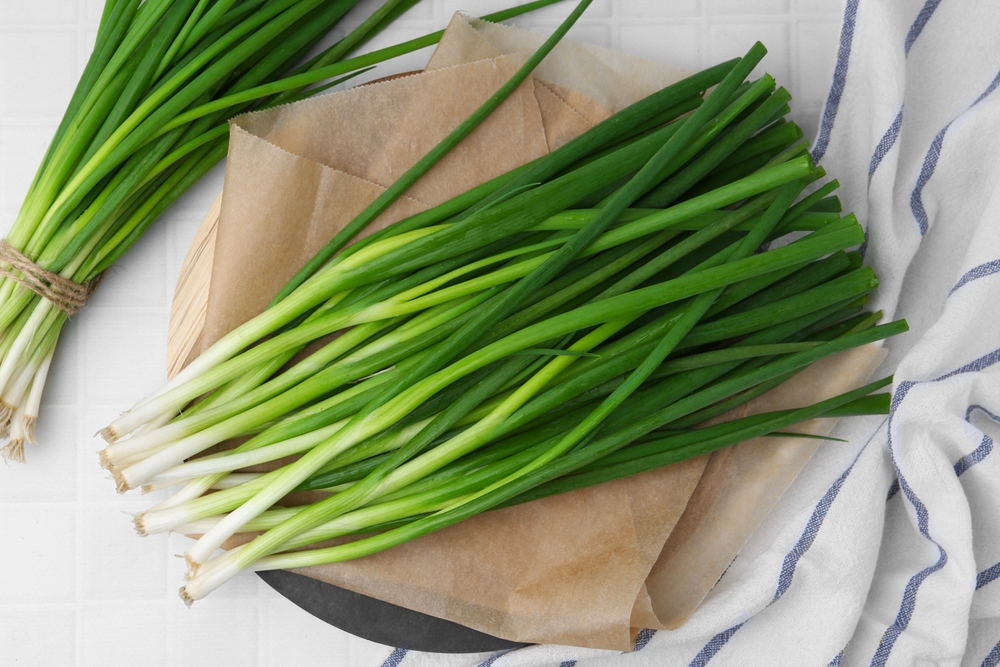
Green onions top the list because they regrow faster than almost anything else in the kitchen. Place the white root ends in a glass of water and watch new shoots rise within days. The green tops continue producing flavor-packed stalks that can be snipped repeatedly for weeks.
Switching to soil after the first regrowth boosts production even more. A small pot on a windowsill keeps them thriving almost endlessly with regular watering. Frequent trimming encourages thicker, healthier growth instead of weakening the plant. This simple trick turns one purchase into a long-term kitchen staple.
2. Celery
Celery transforms from a leftover base into a leafy green machine with almost no effort. Place the base in shallow water and set it near sunlight to trigger new growth from the center. Tiny leaves appear first, followed by stalks that steadily rebuild the plant.
Once roots form, transferring celery into soil helps it grow stronger and last longer. Regular watering keeps the plant crisp and productive through multiple harvests. Cutting outer stalks first allows the center to keep regenerating without stress. This method delivers continuous crunch for soups and snacks.
3. Romaine Lettuce
Romaine lettuce regrows best when the base stays intact after using the leaves. Place the stump in a shallow bowl of water and position it where light stays consistent. Fresh leaves sprout from the middle within days, creating a mini lettuce comeback.
Moving it into soil extends its productive life far beyond the initial regrowth. Trimming outer leaves first keeps the plant active and growing. Cooler indoor spots help prevent early bolting and bitterness. This method turns salad scraps into multiple fresh harvests.
4. Garlic
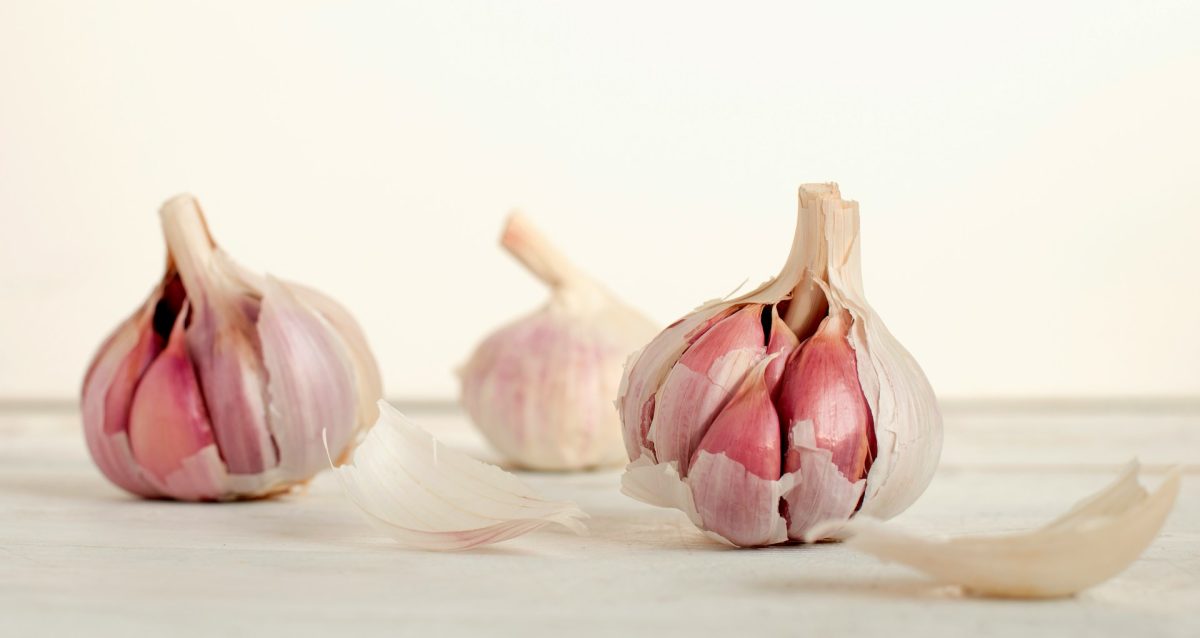
Garlic starts its second life from a single clove buried in soil. Each clove grows into a full bulb when planted with the pointed side facing up. Green garlic shoots also appear early and bring a mild, onion-like flavor to dishes.
Keeping soil slightly moist supports steady underground development. Harvesting green shoots encourages energy flow back into bulb formation. Full bulbs take time but reward patience with strong, homegrown flavor. This process stretches one bulb into many future meals.
5. Ginger
Ginger thrives when a small piece with visible buds gets planted in loose, rich soil. New shoots emerge slowly but steadily once warmth and moisture stay consistent. Underground rhizomes expand over time, creating a continuous supply of fresh ginger.
Partial harvesting allows the plant to keep growing without interruption. Warm indoor environments help mimic its natural tropical conditions. Regular watering supports strong root development without waterlogging. This plant turns one root into a long-term spice source.
6. Potatoes
Potatoes regrow easily from pieces that contain at least one “eye.” Plant these pieces in deep soil and wait for green shoots to break the surface. As the plant grows, it produces new potatoes underground.
Hilling soil around the stems encourages larger yields and better protection. Consistent watering keeps growth steady without rot issues. Harvesting only part of the plant allows remaining sections to continue producing. One potato can quickly turn into an entire crop cycle.
7. Basil
Basil thrives when stem cuttings get placed in water until roots appear. Once roots develop, transplanting into soil creates a fast-growing herb plant. Fresh leaves regrow continuously when the top growth gets trimmed regularly.
Pinching leaves instead of cutting randomly keeps the plant bushy and productive. Plenty of sunlight boosts flavor and leaf production significantly. Regular harvesting actually strengthens the plant instead of weakening it. This herb turns kitchen scraps into nonstop seasoning power.
A Living Kitchen That Keeps Producing
Regrowing grocery items turns everyday food waste into a steady supply of fresh ingredients. Simple water jars and small pots transform kitchen counters into productive growing spaces. Each item on this list follows a cycle that rewards patience with repeated harvests. Small daily care habits keep these plants active far longer than most store-bought expectations. This approach reduces grocery trips while increasing fresh food availability right at home.
Fresh growth often starts within days, which makes the process feel almost instant and rewarding. Consistency matters more than perfection, especially with light, water, and trimming routines. Even beginners can build confidence quickly by starting with one or two easy items. Over time, these small experiments evolve into a reliable indoor food system.
What grocery item would make the biggest difference in your home regrowing setup, and why? Let’s hear your input and advice in the comments below.
You May Also Like…
Stop Buying Fertilizer: 6 Free Kitchen Scraps That Supercharge Your Soil
The Indoor Herb Hack: Growing Fresh Flavor in a Dark Kitchen for Pennies
How to Start Seeds Indoors on a Tight Budget Without Wasting Money
The Eggshell Secret: How One Kitchen Staple Saves You $50 in Pesticides
The End-of-Aisle Secret: Finding the Discount Rack at Home Depot and Lowe’s

Brandon Marcus is a staff writer for FrugalGardening.com at District Media, Inc., where he delivers practical gardening advice with a relatable, no-nonsense style. An avid amateur gardener, he holds a BA degree and with over ten years of professional writing experience, he is also an award-winning published author whose first book, Questions For Deep Thinkers, was released by Adams Media. His work has appeared in major publications including Fandom.com, CHUD.com, TheColdWire.com, and Fansided.com.
Leave a Reply