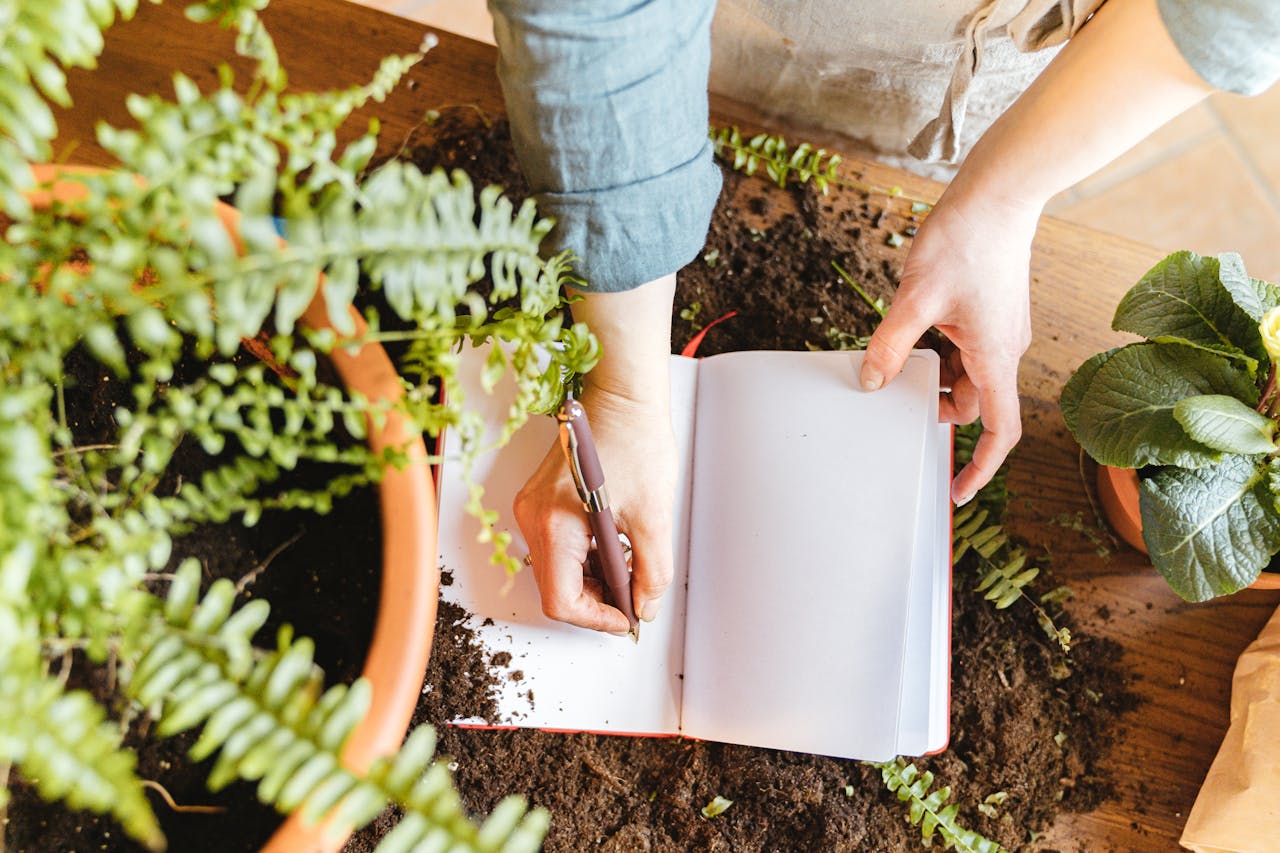
A thriving garden doesn’t happen by luck—it grows from smart decisions made season after season. Many gardeners spend far more than necessary simply because they repeat the same mistakes each year without realizing it. Seeds get planted too early, crops fail in the same spots, and money disappears into plants that never had a real chance. A garden journal turns all those costly missteps into valuable lessons that actually pay off. With just a notebook or simple digital log, gardeners can transform guesswork into strategy and start growing more while spending less.
Think of a garden journal as a personal blueprint for success that gets better every year. It captures what worked, what failed, and what surprised you, creating a roadmap tailored to your exact space and conditions.
Track What Works So You Stop Wasting Money on What Doesn’t
Every garden has its own personality, and what thrives in one yard might struggle in another just a few miles away. A garden journal helps pinpoint exactly which plants perform well in specific conditions, from soil type to sunlight exposure. Recording details like planting dates, weather patterns, and growth results allows gardeners to identify clear trends over time. That insight prevents repeated spending on plants that consistently fail. Instead of guessing each season, gardeners invest only in what delivers reliable results.
This level of tracking becomes especially valuable when dealing with expensive plants or specialty crops. For example, if a certain tomato variety struggles with disease year after year, continuing to buy it wastes both time and money. A journal makes those patterns impossible to ignore and encourages smarter choices moving forward. Gardeners can also note which seeds germinate quickly and which ones require extra care.
Plan Smarter Purchases and Avoid Impulse Buys at the Garden Center
Garden centers have a way of tempting even the most disciplined shoppers with rows of vibrant plants and seasonal deals. Without a plan, it becomes easy to overspend on items that don’t fit the garden’s needs or timeline. A garden journal acts as a built-in shopping guide, listing exactly what to buy and when to buy it. This prevents duplicate purchases and reduces the risk of bringing home plants that won’t thrive. With clear notes in hand, gardeners walk into stores with purpose instead of uncertainty.
Impulse buying often leads to overcrowded beds, mismatched plant combinations, and wasted resources. A journal keeps everything organized, from spacing requirements to companion planting strategies. It also helps track inventory, so gardeners know what seeds or supplies already sit at home. That awareness eliminates unnecessary spending and keeps the focus on intentional growth. Over time, this habit alone can save a surprising amount of money while improving overall garden health.
Improve Timing for Planting, Watering, and Harvesting
Timing plays a huge role in gardening success, and even small miscalculations can lead to disappointing results. A garden journal captures key dates and conditions, helping gardeners refine their timing with each passing season. Recording first frost dates, soil temperatures, and rainfall patterns provides a clearer picture of when to plant and when to wait. This reduces the risk of losing crops to unexpected weather or poor conditions. Better timing leads directly to stronger plants and higher yields.
Watering schedules and harvest times also benefit from careful tracking. Some plants require consistent moisture, while others thrive with less frequent watering, and a journal helps fine-tune those routines. Noting when crops reach peak flavor or productivity ensures that nothing gets picked too early or too late. These small adjustments add up quickly, turning average harvests into abundant ones.
Identify Pest and Disease Patterns Before They Cost You
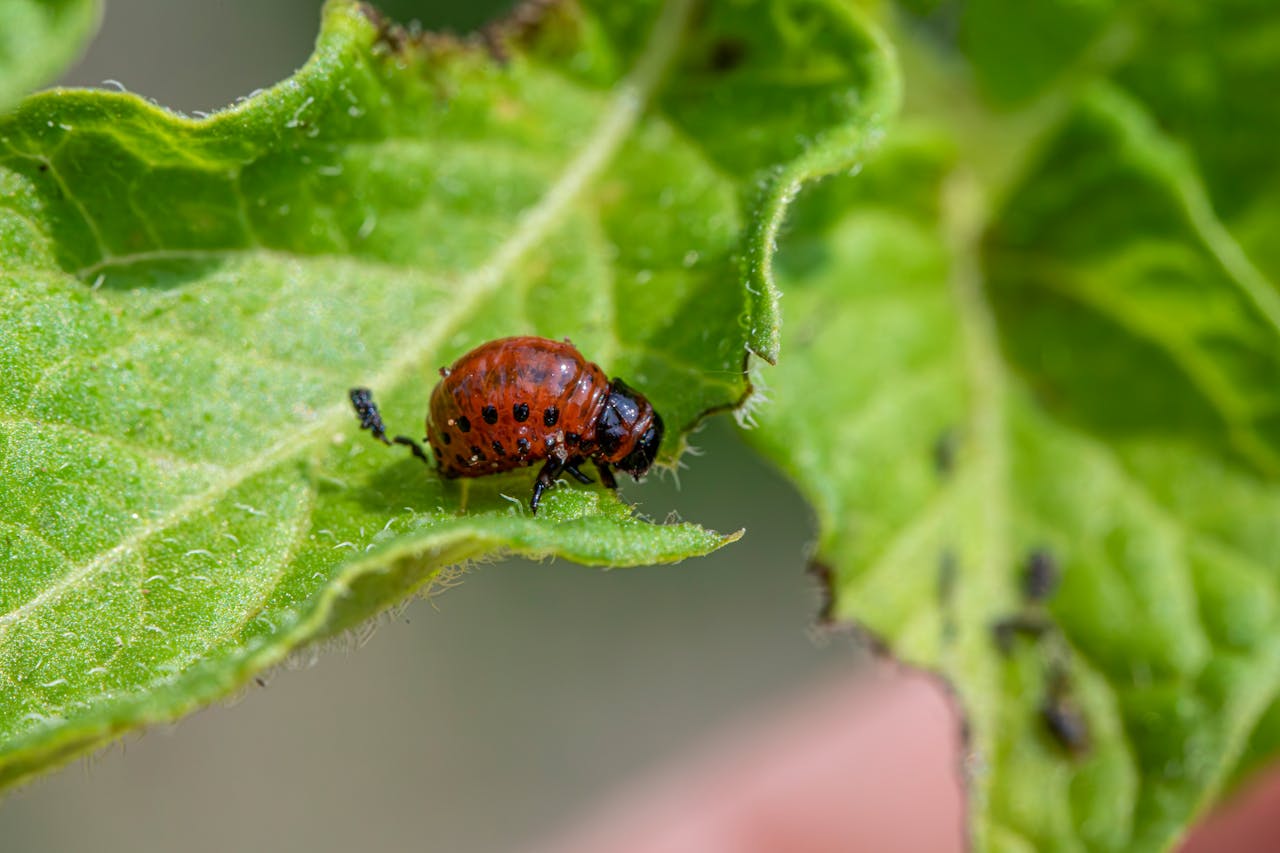
Pests and diseases can quietly destroy a garden and drain a budget if left unchecked. A garden journal helps track when and where these issues appear, making it easier to spot patterns early. Recording details about infestations, treatments, and outcomes creates a valuable reference for future seasons. This proactive approach allows gardeners to act quickly before problems spread. Early intervention often means using fewer products and saving more money.
Certain pests return at the same time each year, and diseases often thrive under specific conditions. A journal reveals these trends, allowing gardeners to prepare in advance rather than react too late. For example, noting that aphids appear every spring on certain plants can prompt preventative measures before damage occurs. This reduces the need for costly treatments and protects the overall health of the garden.
Turn Small Notes Into Big Savings Year After Year
At first glance, jotting down notes might seem like a small habit with limited impact. Over time, however, those notes build a powerful database of knowledge tailored to one specific garden. Each entry adds another layer of insight, helping gardeners refine their approach and avoid costly mistakes. This cumulative effect creates measurable savings, often reducing expenses by hundreds of dollars each season. What starts as a simple journal quickly becomes an essential tool for financial and gardening success.
Gardeners who stick with this habit often notice improvements within just one or two seasons. They buy fewer unnecessary supplies, grow more productive plants, and waste less time on failed experiments. The journal also boosts confidence, making each decision feel grounded in experience rather than guesswork. This sense of control transforms gardening into a more rewarding and efficient process. With consistent use, a garden journal pays for itself many times over.
The Secret Weapon Smart Gardeners Swear By
A garden journal might not look impressive sitting on a shelf, but it delivers results that speak for themselves. It turns everyday observations into actionable insights that improve both harvests and budgets. Gardeners who embrace this habit gain a clear advantage, making smarter choices that lead to better outcomes year after year. Instead of repeating the same costly mistakes, they build a system that continuously improves. That kind of progress creates a garden that thrives without draining resources.
What would go into your garden journal first—your biggest success or your most expensive mistake? Tell us what you’re thinking in our comments section.
You May Also Like…
Vertical PVC Gardening: Building a Space-Saving Food Tower for $15
Smart Phone Gardening: The Free Apps That Replace Expensive Consultants
5 Budget Vegetable Patch Designs for Small Yards
6 DIY Trellis Designs That Support Plants Without Breaking Your Budget
Don’t Plant These 5 Things If You’re on a Tight Budget

Brandon Marcus is a staff writer for FrugalGardening.com at District Media, Inc., where he delivers practical gardening advice with a relatable, no-nonsense style. An avid amateur gardener, he holds a BA degree and with over ten years of professional writing experience, he is also an award-winning published author whose first book, Questions For Deep Thinkers, was released by Adams Media. His work has appeared in major publications including Fandom.com, CHUD.com, TheColdWire.com, and Fansided.com.
Leave a Reply