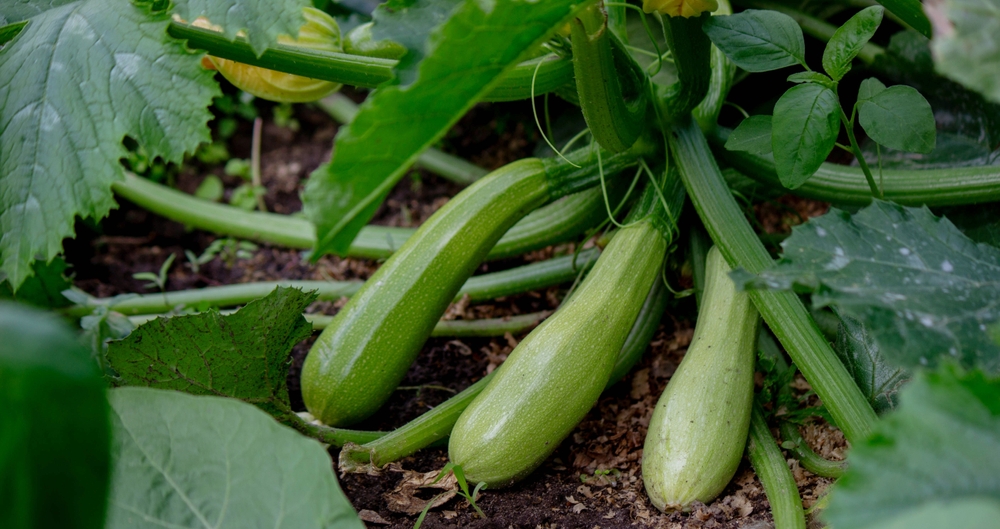
A booming zucchini harvest can feel like winning the gardening lottery—until the kitchen counter disappears under a mountain of green squash. Smart gardeners refuse to let that abundance go to waste, and even smarter ones turn it into real-world value. Zucchini might not look like currency, but in the right circles, it absolutely works like it. Local communities, neighbors, and food lovers often crave fresh produce and gladly trade for it.
This strategy blends old-school bartering with modern community connections, and it works surprisingly well when done right. A few extra zucchinis can unlock eggs, bread, herbs, or even full meals when handled strategically. The key lies in presentation, timing, and knowing exactly where to offer that surplus. With a little creativity and confidence, a backyard harvest can stretch into a week’s worth of groceries without spending a dime.
Turn Your Zucchini Into High-Value Trade Goods With Simple Upgrades
Fresh zucchini holds value, but a little effort can multiply that value quickly. Sliced, spiralized, or baked into zucchini bread, the same vegetable suddenly feels like a premium product. People often trade more generously when they see convenience or ready-to-eat food rather than raw ingredients. Packaging also plays a role, since a neat bundle or labeled bag signals care and quality. Presentation transforms a simple garden vegetable into something that feels worth trading.
A batch of homemade zucchini muffins can trade for far more than a pile of whole squash. Gardeners who wash, trim, and bundle zucchini into meal-ready portions attract more interest from busy households. Even simple recipe cards attached to produce can increase perceived value and spark trades. This approach taps into a basic truth: people pay more—whether in cash or trade—for ease and inspiration. Turning zucchini into a solution rather than an ingredient makes all the difference.
Find the Right People Who Already Value Fresh Food
Not everyone sees zucchini as treasure, so targeting the right audience matters. Local food groups, neighborhood apps, and community boards often buzz with people who actively seek fresh produce. Gardeners who connect with home cooks, bakers, and health-conscious families often secure better trades. Farmers markets and informal swap meets also create perfect environments for bartering without cash. The goal involves finding people who already appreciate what zucchini offers.
Timing also shapes success in these exchanges. Posting offers early in the day or just before weekends often attracts more responses. Seasonal awareness helps too, since fewer gardeners grow zucchini late in the season, which increases demand. Some gardeners even build ongoing trade relationships with neighbors who regularly exchange eggs, dairy, or pantry goods. A consistent network turns occasional swaps into a reliable grocery strategy.
Negotiate Smart Trades That Stretch Into Real Grocery Value Over Time
Bartering works best when both sides feel satisfied, so clarity and fairness matter. A good rule involves comparing zucchini value to store prices for similar fresh produce. For example, a large bundle might reasonably trade for a dozen eggs, a loaf of bread, or several pantry staples. Gardeners who communicate clearly about quantity and freshness avoid confusion and build trust quickly. Strong communication keeps trades smooth and repeatable.
Smart traders also think beyond one-time exchanges. A neighbor who raises chickens might agree to weekly egg trades during peak zucchini season. Another might swap homemade goods like jam or soup in exchange for steady produce. These ongoing arrangements create a rhythm that mimics grocery shopping without spending money. Over time, those consistent trades can easily cover a week’s worth of basic food needs.
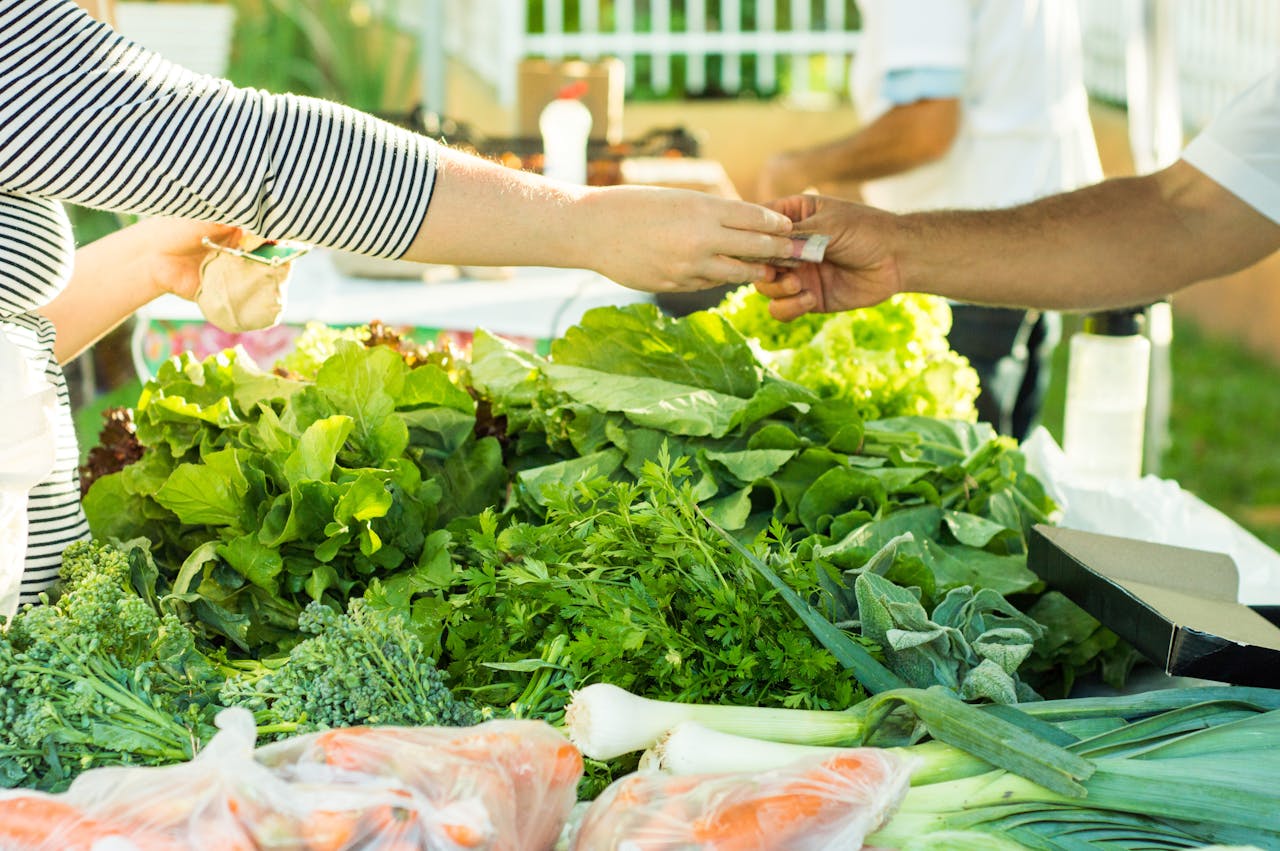
Use Creative Bartering Strategies That Go Beyond Simple One-for-One Swaps
Zucchini opens doors to more flexible trading than most people expect. Instead of trading item for item, some gardeners bundle produce into “mystery boxes” or mixed veggie packs. These bundles often attract higher-value trades because they feel abundant and exciting. Others offer bulk deals, such as trading a large harvest for multiple grocery items at once. Creativity expands options and increases perceived value.
Some gardeners even collaborate with others to strengthen their offerings. Pairing zucchini with tomatoes, herbs, or cucumbers creates a more appealing trade package. This strategy mirrors how grocery stores sell variety rather than single items. It also helps move larger quantities faster while securing better returns. Thinking like a small-scale market vendor can turn a simple garden into a powerful trading tool.
Avoid Common Mistakes That Reduce the Value of Your Garden Surplus
Even great zucchini loses value when handled poorly. Overgrown, seedy squash often turns people away, so harvesting at the right size matters. Clean, fresh produce always attracts better trades than wilted or damaged items. Gardeners who wait too long to offer their surplus often miss peak demand windows. Timing and quality control directly impact trading success.
Another common mistake involves undervaluing the harvest. Giving away large quantities too quickly can limit future trade opportunities. Strategic pacing keeps demand steady and prevents burnout among trading partners. Clear communication about availability also helps avoid confusion or disappointment. Treating zucchini like a valuable resource—not just extra produce—changes the entire outcome.
Turning Garden Overflow Into a Grocery Game Plan
A surplus of zucchini does not need to overwhelm the kitchen or go to waste. With the right approach, it becomes a powerful tool for cutting grocery costs and building community connections. Smart upgrades, targeted trading, and creative strategies transform simple produce into real value. Gardeners who treat bartering seriously often see consistent, tangible returns throughout the growing season. That shift turns a backyard hobby into a practical money-saving system.
The real magic lies in consistency and confidence. Each successful trade builds trust and opens doors for future exchanges. Over time, those small deals stack up into meaningful savings and a more resilient food network. Zucchini might seem ordinary, but it holds surprising power when used strategically. A little planning turns excess into opportunity in the most satisfying way possible.
What would you trade your extra garden produce for—and could it actually replace a full grocery trip? Give us your thoughts below.
You May Also Like…
Beat Grocery Inflation: The 5 Most Expensive Vegetables to Buy (And Easiest to Grow)
5 Budget Vegetable Patch Designs for Small Yards
Vertical PVC Gardening: Building a Space-Saving Food Tower for $15
The Cheap Gardening Hack That’s Actually Killing Your Plants
Vertical Veggies: Growing a Massive Harvest in Less Than 2 Square Feet

Brandon Marcus is a staff writer for FrugalGardening.com at District Media, Inc., where he delivers practical gardening advice with a relatable, no-nonsense style. An avid amateur gardener, he holds a BA degree and with over ten years of professional writing experience, he is also an award-winning published author whose first book, Questions For Deep Thinkers, was released by Adams Media. His work has appeared in major publications including Fandom.com, CHUD.com, TheColdWire.com, and Fansided.com.
Leave a Reply