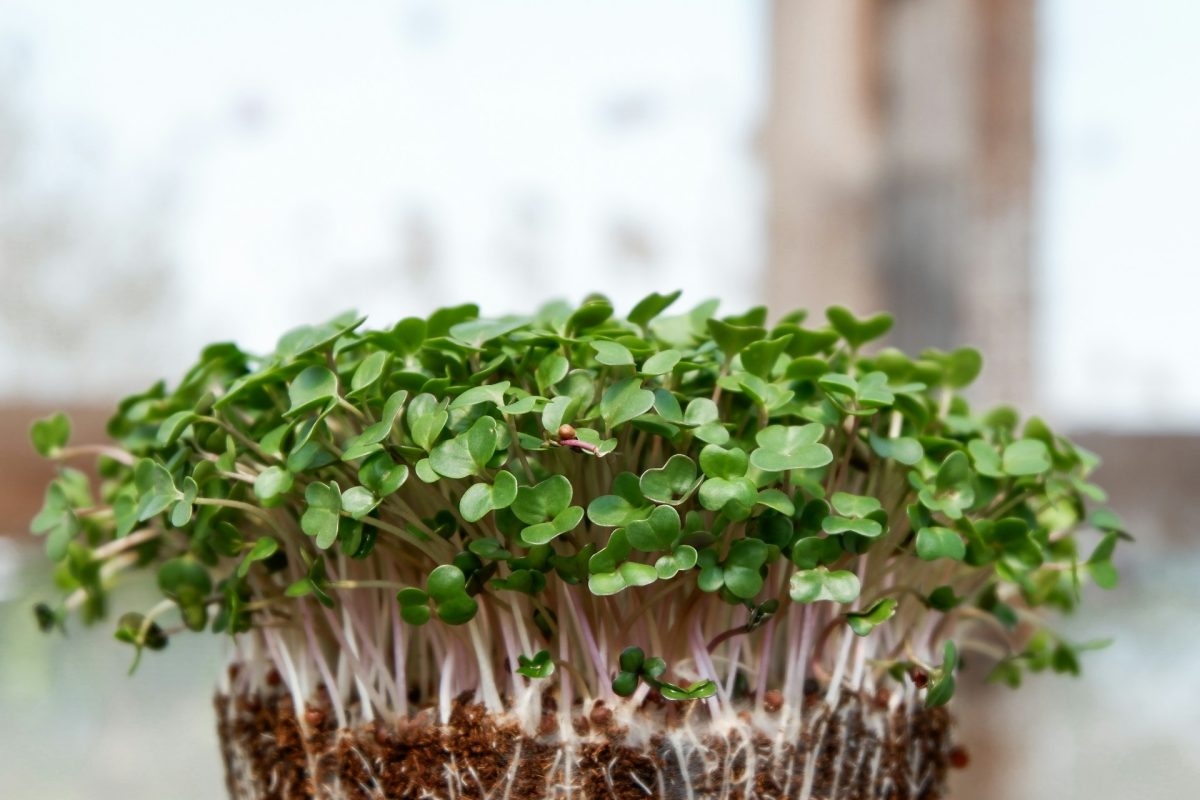
A small tray of greens sitting on a kitchen counter can quietly transform daily meals in a way most people never expect. Microgreens deliver concentrated flavors and nutrients that rival full-grown vegetables in a fraction of the space and time. Studies show many varieties contain up to 40 times the nutrient density of mature plants, depending on the type. That means a handful sprinkled on a sandwich or salad can significantly boost vitamins and antioxidants. The beauty of microgreens at home lies in how quickly they grow, often ready in under two weeks.
Most people assume powerful nutrition requires complex gardening setups or expensive equipment, but microgreens challenge that idea completely. A simple takeout container becomes a thriving mini-garden with just a few basic materials and consistent moisture. This compact growing method fits perfectly into apartments, small kitchens, or busy lifestyles.
Turning a Takeout Container Into a Mini Indoor Garden
A clean takeout container provides the perfect starter home for microgreens because it offers drainage flexibility and compact space efficiency. A few holes punched in the bottom allow excess water to escape while maintaining enough moisture for seed germination. A shallow layer of soil or growing medium gives seeds the support they need to sprout quickly and evenly. Microgreens at home thrive in these small environments because roots do not require deep soil to develop properly. The setup removes barriers that often discourage beginners from trying indoor gardening.
Light plays a major role in successful growth, and a sunny windowsill often provides everything needed for strong, healthy shoots. Some growers add inexpensive LED grow lights to maintain consistent development, especially in low-light rooms. Seeds spread evenly across the surface ensure uniform growth and easier harvesting later on. Microgreens at home respond quickly to daily misting, which keeps the soil lightly moist without drowning the roots. Within days, tiny green shoots begin pushing upward, creating a visible sign of progress that feels almost instant.

Choosing the Right Seeds and Avoiding Common Growing Mistakes
Not all seeds deliver the same flavor or growth speed, so choosing the right varieties makes a big difference in results. Popular options include radish, broccoli, kale, and sunflower seeds because they germinate quickly and offer strong nutritional profiles. Each variety brings unique textures and tastes, which keeps meals interesting and versatile. Microgreens at home benefit from experimenting with different seeds to discover personal favorites. A mix of mild and bold flavors creates balance in everyday dishes.
One common mistake involves overwatering, which can lead to mold growth and weak stems. Proper airflow and light moisture levels help maintain a healthy growing environment. Another issue arises when seeds get buried too deeply, which slows germination or prevents sprouting altogether. Microgreens at home require surface-level planting so light can trigger the growth process effectively. Paying attention to these small details ensures consistent, successful harvests every time.
Harvesting and Using Microgreens for Maximum Flavor and Nutrition
Harvesting usually begins within 7 to 14 days, depending on the seed variety and growing conditions. A clean pair of scissors allows precise cutting just above the soil line without damaging remaining sprouts. Freshly harvested greens deliver peak flavor and nutrient content, making timing an important part of the process. Microgreens at home offer immediate rewards, which encourages ongoing gardening habits. The fast turnaround cycle keeps kitchens stocked with fresh greens year-round.
These tiny plants fit seamlessly into almost any meal without requiring major recipe changes. They enhance sandwiches, soups, eggs, and salads with a crisp texture and concentrated flavor burst. Their nutritional value supports overall wellness, especially when used consistently as part of a balanced diet. Microgreens at home create a simple way to elevate everyday meals without relying on processed supplements. Their versatility makes them one of the easiest health upgrades available in modern kitchens.
Why Microgreens at Home Deliver Big Results From Small Spaces
Microgreens at home prove that powerful nutrition does not require large gardens or complex systems. A single takeout container can produce multiple harvests with minimal effort and maximum return. Their rapid growth cycle keeps motivation high and reduces the frustration often associated with traditional gardening. Nutritional density, ease of growth, and culinary flexibility all combine into one compact solution. That combination makes them an ideal choice for beginners and experienced gardeners alike.
Beyond convenience, microgreens encourage a deeper connection to food and how it grows. Watching seeds transform into edible greens within days creates a sense of satisfaction that store-bought produce cannot match. This simple gardening method supports healthier eating habits without adding stress or complexity. Microgreens at home continue to gain popularity because they fit modern lifestyles while delivering real nutritional impact. Small spaces no longer limit fresh food production when such a powerful option exists.
A Small Container With a Big Impact on Everyday Eating
A takeout container filled with growing greens represents more than just a gardening project. It reflects a shift toward fresher, more intentional eating habits that fit into busy routines. Microgreens at home show how small efforts can lead to meaningful improvements in diet and wellness. Their simplicity removes excuses and opens the door to healthier choices without major investment. This tiny garden consistently delivers results that exceed expectations in both flavor and nutrition.
What would be the first dish to try with a fresh batch of homegrown microgreens? Give us your ideas below in our comments.
You May Also Like…
The Winter Sowing Method: Why You Should Start Your Garden in the Snow
The Fall Preview: Why Smart Budgeters Start Buying for Next Year Today
What Happens When Seeds Don’t Get Enough Water
Why Cheap Seeds Can Sometimes Cost You More in the Long Run
How to Get 50 Gallons of Fertilizer for the Price of a Packet of Seeds

Brandon Marcus is a staff writer for FrugalGardening.com at District Media, Inc., where he delivers practical gardening advice with a relatable, no-nonsense style. An avid amateur gardener, he holds a BA degree and with over ten years of professional writing experience, he is also an award-winning published author whose first book, Questions For Deep Thinkers, was released by Adams Media. His work has appeared in major publications including Fandom.com, CHUD.com, TheColdWire.com, and Fansided.com.
Leave a Reply