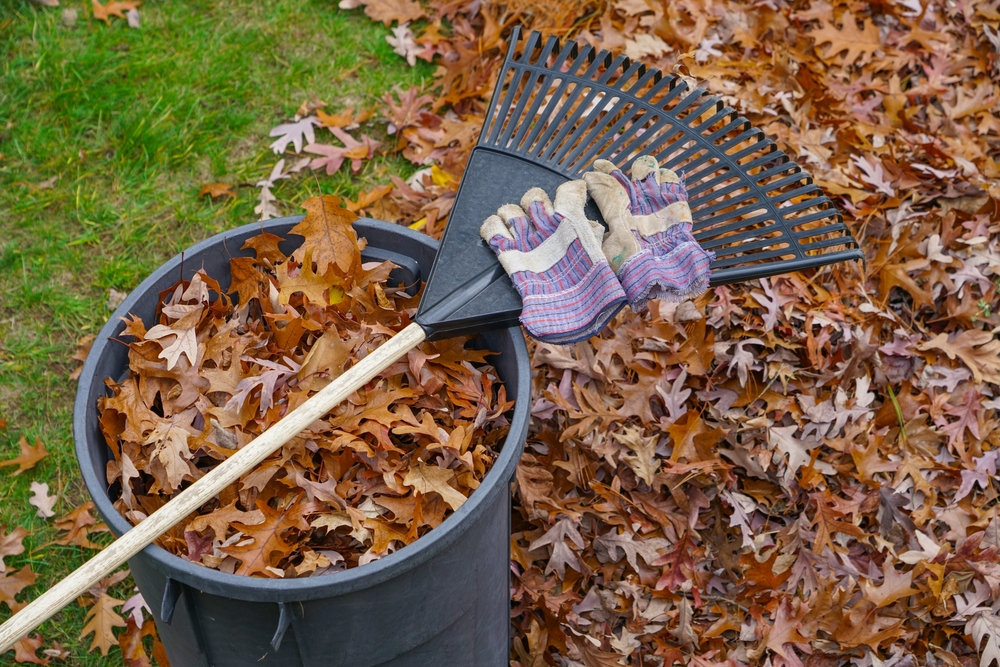
Crisp fall air brings a familiar weekend ritual: dragging out the rake and bagging piles of leaves for disposal. That routine looks productive, but it quietly drains both time and money while stripping lawns of free nutrients. Those fallen leaves actually act as a natural, slow-release fertilizer that many homeowners pay good money to replicate.
Yard care companies and garden centers rarely highlight this because bagged leaves mean more product sales later. Smart homeowners now skip the rake, keep their leaves on the lawn, and watch their grass thrive without spending extra cash.
Leaves Work as Free Fertilizer for Your Lawn
Leaves break down into organic matter that feeds soil microbes and strengthens grass roots. When homeowners leave leaves on the lawn, they return essential nutrients like nitrogen, phosphorus, and potassium back into the soil. A single mature tree can drop enough leaves to replace a full season of store-bought fertilizer.
Lawn care experts often estimate savings of up to $100 per season when homeowners use this natural method. Grass that grows with this nutrient cycle develops deeper roots and shows better resistance to drought and disease.
Mulching Leaves Takes Less Time Than Raking
Raking and bagging leaves eats up hours that most people would rather spend relaxing or doing something enjoyable. Mulching leaves with a mower cuts that workload dramatically while still keeping the yard tidy. A quick pass with a standard lawn mower chops leaves into small pieces that settle into the grass and decompose quickly. This method eliminates the need for hauling heavy bags to the curb or paying for yard waste pickup services. Homeowners who leave leaves on the lawn save both time and effort every single fall.
Your Lawn Becomes Healthier and Greener
Grass thrives when it grows in soil rich with organic material, and leaves provide exactly that. Mulched leaves create a thin layer that locks in moisture and protects soil from temperature swings. This natural insulation helps grass survive harsh winters and bounce back faster in spring. Lawns that benefit from this process often appear greener and thicker without chemical treatments. People who leave leaves on the lawn often notice fewer bare patches and stronger overall growth.
You Help the Environment Without Extra Effort
Bagging leaves sends tons of organic material to landfills every year, where it produces methane as it decomposes. Leaving leaves in your yard keeps that material in a natural cycle instead of contributing to waste problems. Wildlife also benefits, since insects and small organisms rely on leaf cover for shelter during colder months. Birds, in turn, feed on those insects, creating a healthier backyard ecosystem. Choosing to leave leaves on the lawn supports sustainability without requiring any extra work or expense.
Common Concerns About Leaving Leaves—Debunked
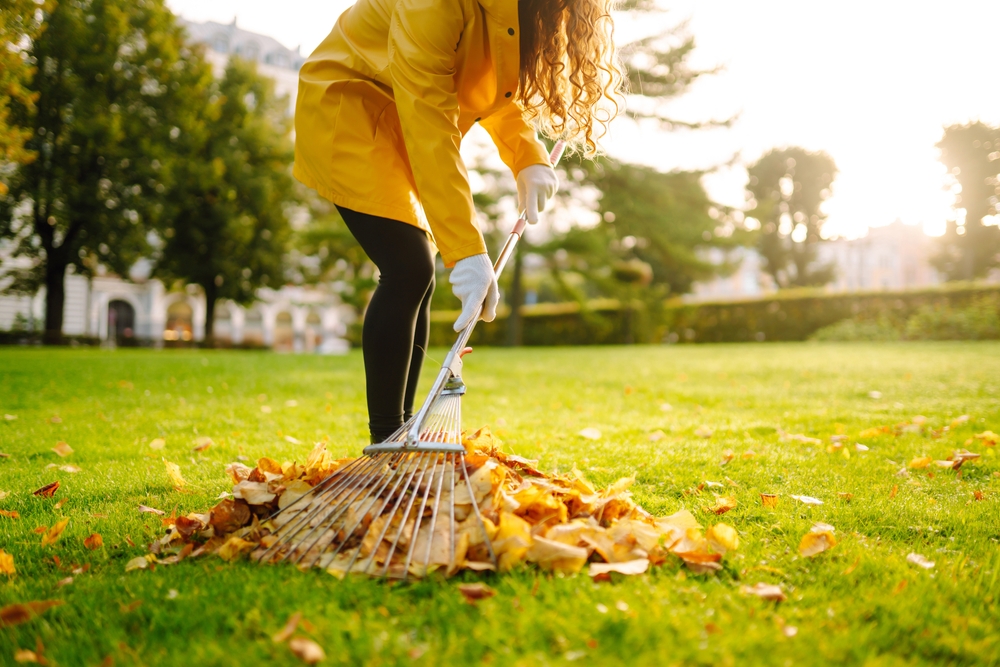
Many homeowners worry that leaving leaves will smother their grass or create a messy appearance. Thick piles can cause problems, but a simple mowing session prevents that issue entirely. Mulched leaves break down quickly and do not block sunlight when spread evenly across the lawn. Another concern involves pests, yet most insects that live in leaf cover actually benefit the soil rather than harm the yard. People who leave leaves on the lawn often discover that these fears never materialize when they use proper mulching techniques.
Success comes from managing leaves properly rather than ignoring them completely. Start by mowing regularly as leaves fall, keeping them chopped into small, manageable pieces. Spread out any heavy piles to avoid clumping and ensure even coverage across the yard. Adjust the mower height slightly higher than usual to prevent damaging the grass while mulching. Homeowners who leave leaves on the lawn with this method achieve a clean look and strong results without extra hassle.
The Simple Habit That Saves Money and Builds Better Lawns
Raking leaves might feel like responsible yard care, but it often wastes a valuable resource that nature provides for free. Switching to a mulching approach transforms those leaves into a powerful tool for healthier grass and lower maintenance costs. Homeowners who embrace this method enjoy greener lawns, reduced expenses, and less time spent on tedious chores. The shift requires minimal effort yet delivers noticeable improvements within a single season. Anyone who wants a better yard without spending more money should seriously consider leaving leaves exactly where they fall.
Will you skip the rake this year and let your lawn benefit naturally, or will you stick with the traditional cleanup routine? Let’s chat about it below in our comments.
You May Also Like…
The Hidden Causes of Curling Leaves and How to Stop Them
6 Common Mistakes When Raking Leaves
Spring Thaw Warning: Why Your Garden Needs These 3 Free Fixes Now
The Unexpected Insect That Devours New Leaves Before You Notice Damage
9 Things to Do With Fallen Leaves That Aren’t “Rake and Bag”

Brandon Marcus is a staff writer for FrugalGardening.com at District Media, Inc., where he delivers practical gardening advice with a relatable, no-nonsense style. An avid amateur gardener, he holds a BA degree and with over ten years of professional writing experience, he is also an award-winning published author whose first book, Questions For Deep Thinkers, was released by Adams Media. His work has appeared in major publications including Fandom.com, CHUD.com, TheColdWire.com, and Fansided.com.
Leave a Reply