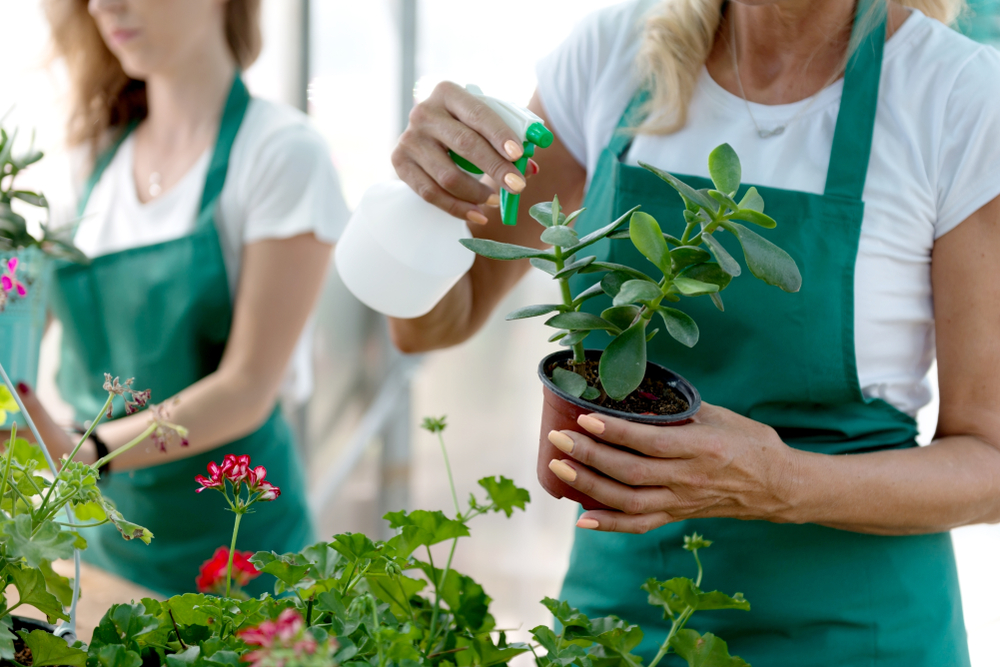
A garden center should feel like a paradise of possibility, not a financial ambush waiting behind rows of cheerful blooms and neatly stacked bags of soil. Bright labels, perfect plants, and endless options create a sense of confidence that everything within reach must be the best choice available. That assumption leads straight into one of the most common and costly mistakes in home gardening. Not everything sold under those big, welcoming signs deserves a spot in a yard or on a patio. Some items come with hidden downsides that only show up weeks or months later, long after the receipt disappears.
Smart gardeners know that success starts long before the first shovel hits the dirt, and it absolutely includes knowing what to leave behind at checkout. A lush garden depends on quality, timing, and a bit of strategy, not impulse purchases driven by convenience. Big box garden centers prioritize volume and appearance, which means some products shine under fluorescent lights but struggle in real-life conditions.
1. The Too-Good-To-Be-True Plants That Struggle at Home
Garden centers love a good visual, and nothing draws attention faster than rows of perfectly blooming plants that look ready for a magazine cover. Those vibrant flowers and lush leaves create instant appeal, but that perfection often comes at a cost. Many of these plants grow in controlled greenhouse conditions where temperature, humidity, and nutrients are carefully managed. Once they land in a backyard or balcony, they face a completely different environment that demands resilience, not perfection. That shift often leads to drooping leaves, fading blooms, and a frustrating sense that something went wrong overnight.
Another issue hides beneath the soil line, where roots often sit cramped in undersized containers for too long. Garden centers frequently keep popular plants on display beyond their ideal selling window, which leads to root-bound conditions that stunt future growth. Even when repotted, these plants can struggle to recover and never quite reach their full potential. A better strategy focuses on selecting younger, less flashy plants with strong root systems and steady growth. Local nurseries or growers often provide plants better suited to regional climates, which makes a noticeable difference in long-term success. A little patience at the beginning leads to a much healthier and more rewarding garden later on.
2. Cheap Tools That Quit Before the Season Ends
A wall of affordable gardening tools can feel like a dream for anyone eager to get started without spending too much. Shiny trowels, lightweight pruners, and budget-friendly hoses promise convenience and savings all at once. Unfortunately, many of these tools trade durability for price, and that trade rarely pays off. Handles crack, blades dull quickly, and joints loosen after just a few uses, turning simple tasks into frustrating chores. Instead of saving money, these purchases often lead to repeated replacements that cost more over time.
Quality tools make a dramatic difference in both efficiency and enjoyment, and they often last for years with proper care. A sturdy hand trowel with a solid metal construction handles tough soil without bending or breaking under pressure. Sharp, well-made pruners create clean cuts that promote healthy plant growth rather than damaging stems. Investing in a few reliable tools rather than a pile of cheap ones transforms gardening into a smoother and more satisfying experience. A quick test in the store can reveal a lot, so checking weight, grip, and construction before buying helps avoid disappointment later. Strong tools support strong results, and that connection becomes obvious after just a few sessions in the yard.
3. Bagged Soil That Looks Fine but Falls Short
Stacks of bagged soil line garden center aisles with labels promising everything from “all-purpose perfection” to “premium planting mix.” Those claims sound impressive, but not all soil delivers what plants actually need. Many inexpensive mixes rely heavily on fillers that drain poorly or compact over time, which creates problems for root development and water retention. Plants may start strong but soon show signs of stress, including yellowing leaves or stunted growth. Soil acts as the foundation for every plant, so cutting corners here creates ripple effects throughout the entire garden.
A closer look at ingredients reveals whether a soil mix supports healthy growth or simply fills a pot. High-quality mixes include organic matter, proper aeration components, and nutrients that encourage strong roots. Compost-rich blends or soil tailored to specific plant types often outperform generic options by a wide margin. Mixing in compost or natural amendments at home can also improve store-bought soil dramatically, turning a mediocre product into something far more effective. Taking a few extra minutes to choose the right soil pays off in healthier plants and fewer headaches. Strong roots lead to strong plants, and that outcome starts with what goes into the ground.
4. Fertilizers That Promise Miracles but Deliver Problems
Bright packaging and bold claims make fertilizers one of the most tempting purchases in any garden center. Products promise explosive growth, bigger blooms, and greener leaves with minimal effort, which sounds like a dream for any gardener. Those promises often come with a catch, especially when formulas rely heavily on synthetic ingredients that push rapid growth at the expense of long-term health. Overuse or improper application can burn plants, disrupt soil balance, and create dependency on constant feeding. Instead of nurturing a stable ecosystem, these products can throw everything out of balance.
Natural or slow-release fertilizers offer a more sustainable and reliable approach that supports steady growth without overwhelming plants. Organic options improve soil structure while providing nutrients, which creates a healthier environment overall. Compost, worm castings, and balanced blends work with natural processes rather than forcing quick results. Understanding what plants actually need at different stages of growth also helps prevent over-fertilizing, which remains one of the most common gardening mistakes. A thoughtful approach to feeding plants produces stronger, more resilient growth that lasts far beyond a single season. Consistency beats quick fixes every time when it comes to plant health.

5. Decorative Pots That Sacrifice Function for Style
Rows of stylish pots can turn a simple shopping trip into a design spree filled with color, texture, and creative inspiration. Eye-catching containers promise to elevate any space, whether indoors or outdoors. Many of these pots prioritize appearance over functionality, which leads to issues that only appear after planting begins. Poor drainage stands out as one of the biggest problems, since excess water can suffocate roots and lead to rot. Some materials also heat up quickly in direct sunlight, which stresses plants and dries soil faster than expected.
Choosing pots with proper drainage holes and durable materials creates a much better growing environment. Terracotta, for example, allows airflow but requires more frequent watering, while heavier materials retain moisture more effectively. Matching the pot to the plant’s needs makes a noticeable difference in growth and overall health. Adding a layer of gravel or using a well-draining soil mix can further improve conditions inside the container. A balance between style and function ensures that plants thrive rather than struggle inside decorative spaces. A beautiful pot should support plant health, not work against it.
The Smarter Way to Shop and Grow
A successful garden does not depend on buying more, it depends on buying better. Every smart decision at the garden center sets the stage for stronger plants, fewer frustrations, and a more enjoyable experience overall. Skipping flashy but unreliable products creates space for thoughtful choices that actually deliver results. Paying attention to plant quality, tool durability, soil composition, and practical design turns a routine shopping trip into a strategic advantage. Gardening rewards patience, observation, and a willingness to learn from both successes and mistakes.
Which of these garden center traps has caused the most frustration, and what strategies have helped avoid them? Share those thoughts, ideas, or even a cautionary tale in the comments.
You May Also Like…
Garden Experts Warn: These 7 Plants Could Be Destroying Your Soil Without You Knowing
The “Trash” Fertilizer: 5 Household Waste Items Your Tomatoes Crave
Turning Pallets into Gold: How to Build a Vertical Garden for $0
6 Small-Space Edible Garden Ideas That Produce Big Harvests

Brandon Marcus is a staff writer for FrugalGardening.com at District Media, Inc., where he delivers practical gardening advice with a relatable, no-nonsense style. An avid amateur gardener, he holds a BA degree and with over ten years of professional writing experience, he is also an award-winning published author whose first book, Questions For Deep Thinkers, was released by Adams Media. His work has appeared in major publications including Fandom.com, CHUD.com, TheColdWire.com, and Fansided.com.
Leave a Reply