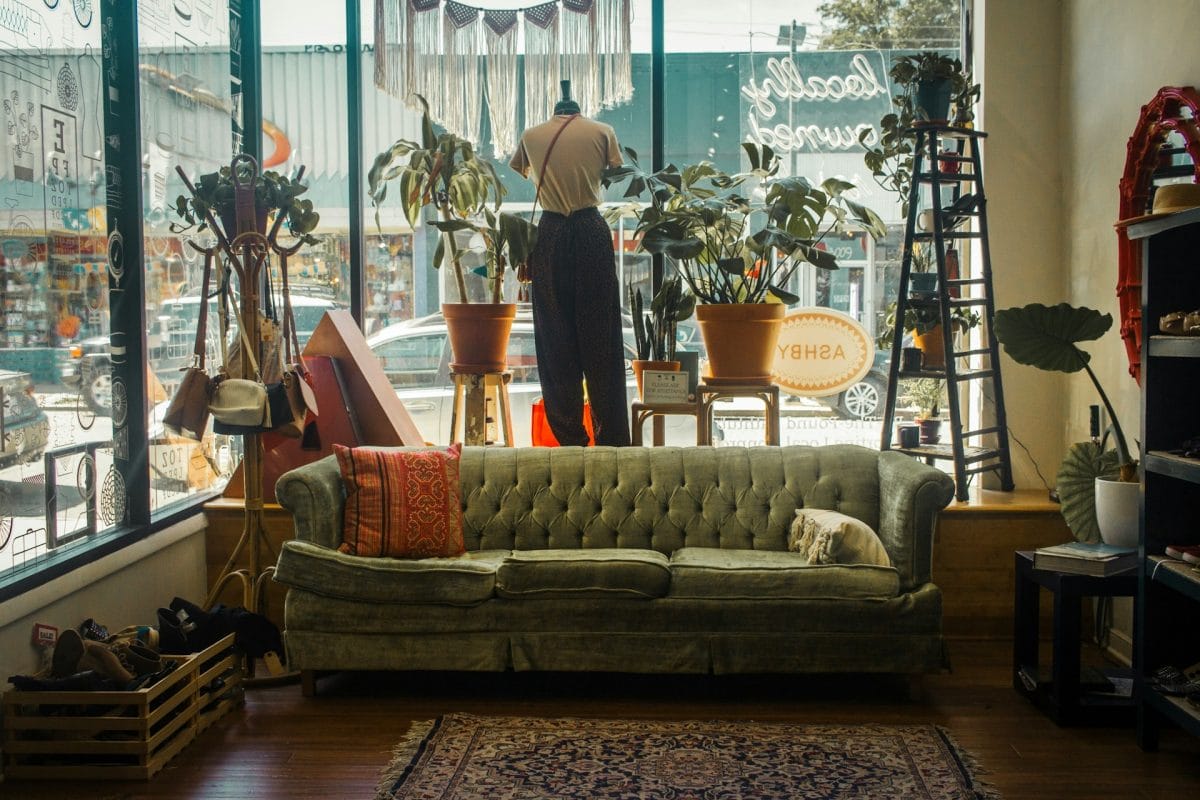
Garden centers line up rows of identical pots and expect excitement, but a growing number of gardeners walk right past them without a second glance. The real treasure hunt happens somewhere else entirely, in aisles filled with chipped mugs, forgotten bowls, and odd little containers that never intended to hold a single leaf. That shift says something bigger than just saving a few dollars, because it taps into creativity, sustainability, and a sense of style that big-box shelves rarely deliver. A planter no longer needs to look like a planter, and that idea changes everything about how people approach gardening.
This movement feels less like a trend and more like a quiet rebellion against boring design and inflated prices. Thrifty gardeners don’t just want plants to grow; they want them to live in containers that tell a story, spark curiosity, and make someone stop and look twice. A vintage teapot suddenly becomes a centerpiece, and a worn-out colander turns into a hanging herb garden with serious personality. That energy fuels a wave of creativity that keeps gaining momentum, and it transforms everyday thrift store visits into something closer to a scavenger hunt with a green twist.
The Thrill of the Hunt Beats the Garden Center Every Time
Walking into a thrift store flips the entire gardening experience on its head. Instead of scanning rows of predictable pots in neutral colors, gardeners find themselves surrounded by endless possibilities that demand a second look. A ceramic mixing bowl might catch the eye for its color alone, while a metal tin might stand out because of its texture or shape. That unpredictability fuels creativity in a way traditional shopping rarely does, and it encourages gardeners to think beyond the obvious.
Thrift stores also create a sense of urgency that adds excitement to the process. Each item exists as a one-of-a-kind find, which means hesitation can cost the opportunity entirely. That dynamic turns shopping into a decision-making game where imagination leads the way. Gardeners start to evaluate items not for their original purpose but for their potential as plant homes, and that shift opens the door to more personal, expressive designs.
The financial advantage seals the deal for many people. A brand-new decorative planter can cost significantly more than a thrifted item with similar charm, especially when style and uniqueness come into play. Thrifty gardeners stretch their budgets further by choosing secondhand pieces, which allows them to experiment more freely without worrying about overspending. That freedom often leads to more daring choices, and those choices bring more character into the garden.
Not Everything Belongs in the Dirt—But Plenty Does
Not every thrift store find works as a planter, and successful gardeners know how to spot the winners. Containers need to handle moisture, support plant roots, and ideally allow for drainage, which makes material selection incredibly important. Ceramic, metal, glass, and certain plastics all offer potential, but each one requires a little thought before it becomes a permanent plant home. A beautiful wooden box might look perfect, but it can warp or rot without proper treatment.
Drainage stands as one of the most important factors in choosing a container. Plants don’t thrive in soggy soil, and excess water needs a place to go. Gardeners often drill holes into the bottom of thrifted items or add a layer of gravel to improve drainage when drilling doesn’t work. That extra step takes a little effort, but it prevents root rot and keeps plants healthy over time.
Size also matters more than it might seem at first glance. A tiny teacup might suit a succulent, but it won’t support a plant that needs room to grow. Gardeners match container size to plant needs, which helps avoid stunted growth or constant repotting. With a bit of planning, thrift store finds can perform just as well as traditional planters while delivering a lot more personality.
Sustainability Looks Better Than Plastic Ever Did
Thrift store gardening taps directly into a growing interest in sustainable living. Repurposing old items reduces waste and keeps perfectly usable materials out of landfills. That approach aligns with a broader movement toward mindful consumption, where people focus on reusing what already exists instead of buying new whenever possible. Gardening becomes part of that effort, turning everyday objects into something functional and beautiful.
Plastic planters dominate many garden centers, but they don’t always offer the most eco-friendly option. Many plastics take years to break down, and they often lack the charm that thrifted items bring to the table. Choosing secondhand containers cuts down on demand for new plastic products and encourages a more thoughtful approach to gardening supplies. That shift benefits both the environment and the overall look of a garden space.
The sustainability factor also adds a sense of purpose to the process. Each reused item tells a story of transformation, turning something forgotten into something vibrant and alive. That narrative resonates with gardeners who want their spaces to reflect more than just aesthetics. It creates a connection between creativity, responsibility, and the simple act of growing something new.
Style Points Go Through the Roof With Unexpected Choices
Traditional planters often stick to safe designs, but thrift store finds bring bold personality into the mix. A vintage pitcher can add a rustic feel, while a bright enamel pot can inject a pop of color that instantly draws attention. These unexpected choices create visual interest that standard planters struggle to match, and they allow gardeners to showcase their personal style in a way that feels authentic.
Mixing and matching different types of containers can elevate an entire garden space. Instead of uniform rows, gardeners create layered, dynamic displays that feel more like curated collections than simple plant setups. That approach works especially well for patios, balconies, and indoor plant arrangements where visual impact matters just as much as plant health. The result feels less like a store display and more like a living, evolving design.
Thrifted planters also spark conversation. Guests notice unusual containers and often ask about their origins, which adds a social element to gardening. That interaction reinforces the idea that gardening doesn’t have to follow strict rules or conventional designs. It encourages experimentation and celebrates individuality in a way that keeps the hobby fresh and exciting.
A Few Smart Moves Make All the Difference
Thrifty gardening rewards creativity, but it also benefits from a bit of strategy. Cleaning thrifted items thoroughly before use helps remove dust, residue, or bacteria that could affect plant health. A simple wash with soap and water often does the trick, and it prepares the container for its new role. That step might seem small, but it sets the foundation for success.
Drilling drainage holes, when possible, remains one of the most effective upgrades for any container. Gardeners who invest in a basic drill bit for ceramic or metal expand their options significantly. That tool turns almost any suitable item into a functional planter, opening the door to more creative choices. When drilling doesn’t work, adding a drainage layer or using the container as a decorative outer pot can still achieve great results.
Choosing the right plants for each container ties everything together. Succulents, herbs, and small houseplants often adapt well to thrifted containers, especially when space runs limited. Matching plant needs with container features ensures that both aesthetics and functionality stay in balance. With a little planning, thrift store finds can support healthy growth while delivering standout style.
A Garden That Feels Like You
Thrift store planters bring more than savings or sustainability into the picture—they bring personality. Every container adds a layer of individuality that transforms a garden into something personal and memorable. That shift moves gardening away from cookie-cutter setups and toward spaces that reflect creativity and intention. The result feels more alive, more engaging, and far more satisfying to build.
So here’s the big question: what overlooked item could turn into the most interesting planter in the collection, and what kind of garden could take shape with a little imagination and a trip to the thrift store? Drop your thoughts, ideas, or favorite thrifted finds in the comments and keep the inspiration growing.
You May Also Like…
Are Expensive Planters Really Better for Plant Health?
7 Holiday-Themed Planters to Make Your Garden Festive in December
Are Store-Bought Planters a Rip-Off? Try DIY Instead
6 Small-Space Edible Garden Ideas That Produce Big Harvests
The Truth About Dollar-Store Garden Supplies

Brandon Marcus is a staff writer for FrugalGardening.com at District Media, Inc., where he delivers practical gardening advice with a relatable, no-nonsense style. An avid amateur gardener, he holds a BA degree and with over ten years of professional writing experience, he is also an award-winning published author whose first book, Questions For Deep Thinkers, was released by Adams Media. His work has appeared in major publications including Fandom.com, CHUD.com, TheColdWire.com, and Fansided.com.
Leave a Reply