• Skip to primary navigation
  • Skip to main content
  • Skip to primary sidebar

Frugal Gardening

Simple ways to save money while you garden

  • About
  • Contact Us
  • Garden Frugally
  • Buy These
  • Privacy Policy
  • Navigation Menu: Social Icons

    • Facebook
    • Pinterest
    • Twitter

Are Store-Bought Planters a Rip-Off? Try DIY Instead

May 9, 2025 by Teri Monroe 2 Comments

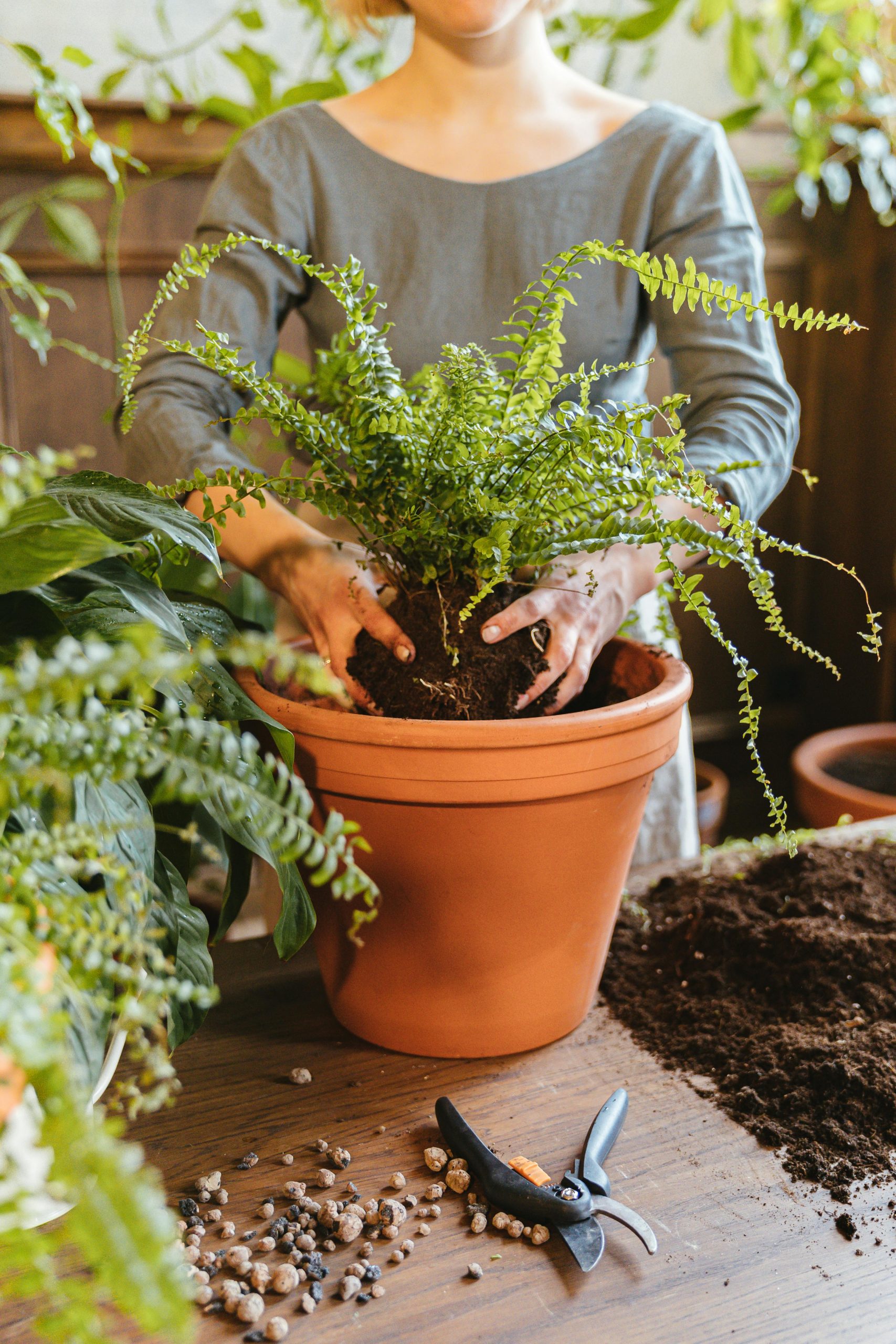
DIY Planter Ideas

Image Source: Pexels

Store-bought planters can cost you hundreds of dollars. Each one can run you on average around $30. Some designer pots cost hundreds of dollars each! If you’re trying to be cost-conscious, you may want to consider DIY planters. Here we’ll discuss why store-bought planters are a ripoff and also give you some DIY planter ideas.

Marked Up Prices

Usually, when you buy store-bought planters, you’re paying for brand names, trends, and inflation. If you DIY your planters, you’ll spend much less on raw materials. Plus, you’ll be able to customize the finished product and make a one-of-a-kind design.

They Won’t Last Long

Store-bought planters are often made of cheap materials. You’ll probably get something made of thin plastic or poorly-made ceramic. These planters probably won’t withstand the elements, and you’ll find yourself replacing them every year. If you invest in quality materials, your cost over time will be much less.

Boring Styles

You’ll probably see the same types of planters year after year. If you really want to jazz up your garden, store-bought planters aren’t the way to go. Instead, let your imagination run wild as you plan your DIY planter project.

DIY Planter Ideas

Here we’ll help you get inspired to create your own planters so that you don’t get ripped off at the store! Here are a few genius ideas to incorporate into your garden.

Revamped Dresser

If you want an eclectic look in your garden, you can repurpose an old dresser. The drawers can act as your planters. Using cascading plants in the drawers will look fantastic. Paint your dresser a vibrant color to make a statement in your garden. You can even use stencils or paint a mural on your dresser if you’re very crafty.

Shoes

If you have any old shoes that you’re ready to get rid of, why not turn them into a planter instead? Rain boots and combat boots make great planters that really stand out. You can even use sneakers or clogs for smaller plants. Make sure to waterproof any fabric!

Mason Jars

Mason jars and jam jars are the perfect size for herbs and succulents. You can even paint the mason jars for a more rustic farmhouse look. Chalkboard paint can even be used to label your herbs. The more mason jars you use, the more cohesive your garden will look.

Buckets and Tins

Antique buckets and tins make great planters. Shop at your local antique store for the most unique finds. All you have to do is drill a hole in the bottom. Then, you’ll have an instant planter.

Why DIY Planters Are The Way to Go

Not only will you save money with DIY planters, but you’ll be able to customize them. Additionally, many of these DIY options are more sustainable. You can easily reuse things that you already own or items from nature. Overall, your garden will look less cookie-cutter if you go the DIY planter route and avoid the store-bought run-of-the-mill planters. Keep in mind that some DIY planters, like wooden planters, will need to be waterproofed and sealed. This will extend their lifespan and protect them from water damage.

Read More

15 Low-Cost Garden Ideas That Will Wow Your Neighbors

Tiny Takeover: 8 Ways To Get Rid of The Ants In Your Garden

Photograph of Teri Monroe
Teri Monroe

Teri Monroe started her career in communications working for local government and nonprofits. Today, she is a freelance finance and lifestyle writer and small business owner. In her spare time, she loves golfing with her husband, taking her dog Milo on long walks, and playing pickleball with friends.

Filed Under: garden decor Tagged With: DIY Planters, planters, store-bought planters

Previous Post: « 15 Low-Cost Garden Ideas That Will Wow Your Neighbors
Next Post: No Yard, No Problem: How Urban Gardening Is Changing City Life »

Reader Interactions

Comments

  1. Jan

    May 23, 2025 at 1:11 am

    Hi I wonder what you do with containers that do not have holes, like mason jors. Do you add gravel to the bottom? Do clay beads work out? I have an overwatering tendency and want to know how to manage these types of items! Also what if you want to water from below?

    Reply
    • Susan Paige

      June 23, 2025 at 11:14 am

      Hello! You can add something like rocks or beads to drain the water better at the bottom. However, it is also possible to drill holes in other containers (like mason jars). This video is a pretty helpful how-to: https://www.youtube.com/watch?v=os99L711VmU

      Reply

Leave a Reply Cancel reply

Your email address will not be published. Required fields are marked *

Primary Sidebar

Struggling to get your garden off the ground? Put those days behind you with our special starter kit – perfect for thrifty green thumbs everywhere. Get growing and add a splash of color today!

Popular Posts

  • usda free seeds websiteHow To Get Free Seeds From The Government by Amanda Blankenship Seeds might seem like a small expense, but any seasoned…
  • Enviro Ice On PlantsShould I Use Enviro Ice On My Plants? by Kathryn Vercillo Every week, I receive food from Hungryroot. It's a great…
  • is shredded paper good for the gardenFrom Trash to Treasure: Transform Shredded Paper Into Garden Gold by Amanda Blankenship Should you use shredded paper as garden mulch? It might…
  • Enviro IceWhat Happens to Plants If You Use Enviro Ice on Them? by Amanda Blankenship About a year ago, I wrote our first article about…
Why Some Plants Reject Fertilizer and How to Adjust

Why Some Plants Reject Fertilizer and How to Adjust

Plants don’t always appreciate a generous feeding schedule. In fact, some of them react like they just got served the wrong meal at a five-star restaurant—dramatically, visibly, and without hesitation. Leaves turn yellow, tips burn, growth stalls, and suddenly that well-intentioned fertilizer routine starts looking like the main culprit. That moment can feel confusing, especially…

Read More

6 Small-Space Edible Garden Ideas That Produce Big Harvests

6 Small-Space Edible Garden Ideas That Produce Big Harvests

Big harvests do not belong exclusively to sprawling backyards and countryside plots. A handful of square feet, a balcony railing, or even a sunny windowsill can turn into a powerhouse of fresh food with the right approach. Small-space gardening does not play by the rules of traditional gardening, and that gives it a serious advantage….

Read More

How to Make Compost Tea to Improve Soil Health

How to Make Compost Tea to Improve Soil Health

Forget everything dull and dusty about gardening advice—this is where things get alive. Not metaphorically alive, but genuinely buzzing with microscopic energy that can flip tired soil into a thriving, nutrient-packed powerhouse. Compost tea sounds quaint, almost like something served at a countryside brunch, but it delivers a serious punch where it matters most: right…

Read More

How to Make a Simple Soil Moisture Meter at Home

How to Make a Simple Soil Moisture Meter at Home

A plant never whispers when it needs water. It wilts, it droops, it gives up—often long before anyone notices. That silent struggle makes watering feel like a guessing game, and guessing rarely ends well. Overwatering drowns roots, underwatering dries them out, and both can turn a healthy plant into a sad, lifeless decoration faster than…

Read More

  • About
  • Contact Us
  • Garden Frugally
  • Buy These
  • Privacy Policy
  • Navigation Menu: Social Icons

    • Facebook
    • Pinterest
    • Twitter
  • Facebook
  • Pinterest
  • Twitter

Copyright © 2026 · Foodie Pro & The Genesis Framework