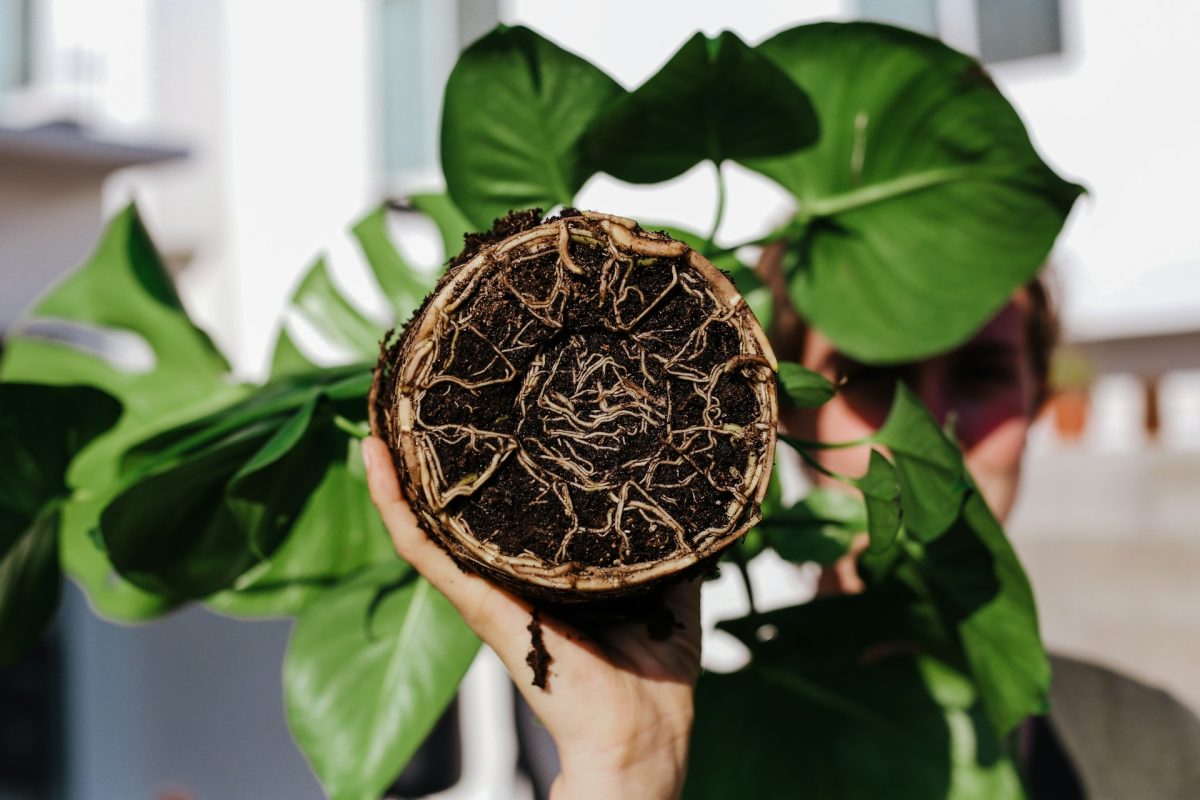
The ground tells the truth. When soil turns dense and stubborn, plants don’t just struggle quietly—they stall, weaken, and give up before they ever get the chance to thrive. That hard-packed surface might look harmless, but underneath, it locks roots in place and cuts off the air, water, and nutrients that keep everything alive and growing. No shortcuts fix that kind of problem, but smart strategies absolutely can.
Healthy roots don’t come from luck. They come from intention, patience, and a willingness to work with the soil instead of fighting against it. Compacted soil might feel like a brick wall at first glance, but it doesn’t have to stay that way. With the right approach, even the toughest ground can transform into a space where roots stretch deep, plants grow strong, and gardens finally start pulling their weight.
When Soil Turns Into Concrete: What’s Really Going On Below the Surface
Compacted soil forms when pressure crushes the tiny air pockets that normally sit between soil particles. Foot traffic, heavy machinery, and even repeated watering patterns can push those particles closer together until the soil loses its natural structure. Without those spaces, water struggles to drain properly, roots can’t push through easily, and oxygen disappears from the equation entirely. That creates a hostile environment where plants fight just to survive instead of thriving the way they should.
Roots need space just as much as they need nutrients, and compacted soil removes that space completely. When roots hit dense soil, they often stop growing outward and begin circling in place, which leads to weak, shallow systems that fail under stress. That means less drought resistance, poor nutrient uptake, and plants that collapse under pressure from heat or wind. Soil that feels hard underfoot doesn’t just slow things down—it actively works against healthy growth. Recognizing that reality shifts the focus from blaming plants to fixing the environment they depend on.
Breaking that cycle starts with understanding how soil behaves. Clay-heavy soils compact more easily, while sandy soils resist compaction but struggle with water retention. Organic matter plays a massive role here, acting like a sponge and a structural support system all at once. When soil lacks that organic material, it loses flexibility and becomes far more vulnerable to compaction. Fixing the problem means rebuilding that balance from the ground up, literally.
1. Loosen Up: Smart Ways to Aerate Without Wrecking Your Soil
Aeration sounds simple, but the way it gets done makes all the difference. Digging aggressively into compacted soil might feel productive, but it often causes more harm than good by destroying natural soil layers and disrupting beneficial organisms. Instead, gentle, consistent aeration creates long-term improvement without turning the soil into a chaotic mess. Tools like garden forks or core aerators help lift and loosen soil while preserving its structure, which gives roots room to grow without tearing everything apart.
Timing matters just as much as technique. Working soil when it’s too wet leads to even more compaction, while overly dry soil resists any attempt to loosen it. Slightly moist conditions strike the perfect balance, allowing tools to penetrate without smearing or clumping the soil. That small detail can completely change the outcome, turning a frustrating chore into a genuinely effective fix. Paying attention to moisture levels keeps the process efficient and prevents setbacks.
Consistency beats intensity every time. A single round of aeration won’t magically fix deeply compacted soil, but repeated efforts over time gradually improve structure and drainage. Pairing aeration with organic amendments accelerates the process, creating a one-two punch that tackles both structure and fertility at once. That combination gives roots the freedom to spread while also feeding them the nutrients they need to grow strong.
2. Feed the Soil First: Why Organic Matter Changes Everything
Organic matter acts like a reset button for compacted soil. Compost, aged manure, leaf mold, and other natural materials break up dense soil while adding nutrients that fuel plant growth. As these materials decompose, they create space within the soil, allowing air and water to move freely again. That shift doesn’t just help roots—it transforms the entire ecosystem underground.
Adding organic matter regularly builds resilience over time. Instead of relying on quick fixes, this approach creates soil that naturally resists compaction in the future. Microorganisms thrive in organic-rich environments, and those organisms play a critical role in maintaining soil structure. They break down materials, create channels for air and water, and support root development in ways that no synthetic solution can match. Healthy soil becomes a living system rather than a static surface.
Layering compost on top of the soil instead of mixing it in aggressively often delivers better results. Rain, worms, and natural processes gradually incorporate that material without disrupting existing structures. That method, sometimes called topdressing, works with nature rather than against it. Over time, the soil softens, loosens, and becomes far more welcoming to roots that once struggled to survive.
3. Choose Plants That Push Back: Let Nature Do Some of the Work
Some plants don’t just tolerate compacted soil—they actively improve it. Deep-rooted species like daikon radish, clover, and certain grasses act like natural drills, pushing through dense soil and creating channels that other plants can follow. These “bio-drillers” break up compaction without the need for heavy tools, making them a powerful addition to any strategy focused on long-term improvement.
Cover crops play a huge role here. Planting them during off-seasons keeps soil active and prevents it from becoming even more compacted. Their roots hold soil together while also loosening it, creating a balance that supports future growth. Once these plants get cut down and left to decompose, they add organic matter right where it’s needed most. That dual benefit makes them one of the most efficient tools for improving soil health.
Rotating plants with different root structures keeps soil from falling back into old patterns. Shallow-rooted plants paired with deep-rooted varieties create a dynamic system where soil stays loose and active. That variety prevents the kind of uniform pressure that leads to compaction in the first place. Mixing things up in the garden doesn’t just look good—it keeps the soil working the way it should.
4. Water Smarter, Not Harder: Avoiding the Compaction Trap
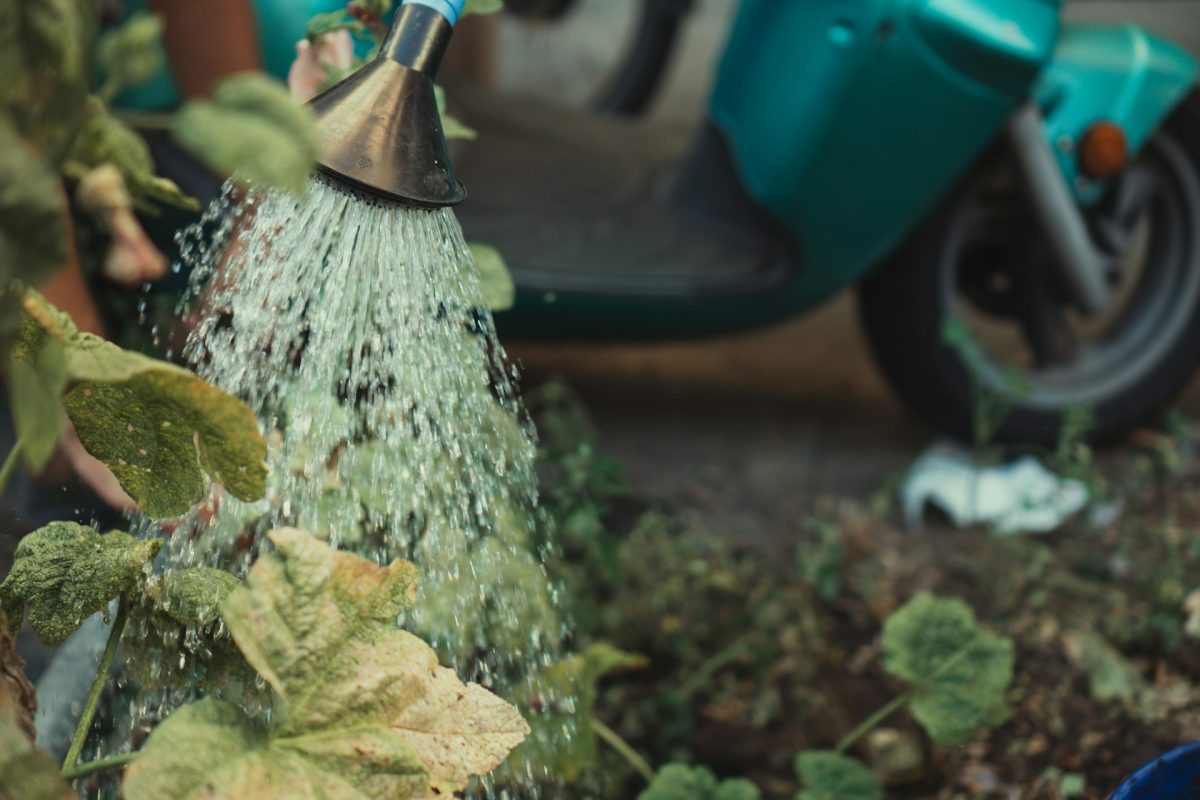
Watering habits can either fix soil problems or make them worse. Heavy, frequent watering compacts soil further by collapsing its structure, especially when water hits the surface with force. Switching to slower, deeper watering methods allows moisture to soak in gradually without damaging the soil. That approach encourages roots to grow downward instead of staying near the surface.
Mulch changes the game completely. A layer of organic mulch protects the soil from direct impact, whether from rain or irrigation. It also helps regulate moisture levels, preventing the extremes that lead to compaction. As mulch breaks down, it adds even more organic matter, reinforcing the improvements already in progress. That simple addition delivers multiple benefits without adding complexity.
Drip irrigation or soaker hoses provide a steady, controlled flow of water that supports healthy soil structure. These methods reduce runoff and ensure that water reaches the root zone without disturbing the surface. Over time, this approach helps maintain the loose, airy conditions that roots need to thrive. Watering stops being a problem and starts becoming part of the solution.
Strong Roots, Thriving Plants, and Soil That Works With You
Strong roots don’t just happen—they grow in environments that support them at every level. Compacted soil might seem like a dead end at first, but it doesn’t have to stay that way with the right mix of strategy and patience. Aeration, organic matter, smart planting, and better watering habits all work together to rebuild soil from the ground up. Each step reinforces the next, creating a system where plants can finally reach their full potential.
What’s worked best when dealing with tough, compacted soil? Drop those ideas, experiments, or even hard-earned lessons into the comments and keep the conversation growing.
You May Also Like…
Planting Depth Errors That Prevent Roots From Developing Properly
How to Protect Roots From Late Frosts Without Covers
How to Encourage Earthworms That Improve Soil Naturally
Why Moss Appears on Lawns and What It Says About Your Soil
6 Low-Cost Ways to Improve Heavy Clay Soil for Better Plant Growth

Brandon Marcus is a staff writer for FrugalGardening.com at District Media, Inc., where he delivers practical gardening advice with a relatable, no-nonsense style. An avid amateur gardener, he holds a BA degree and with over ten years of professional writing experience, he is also an award-winning published author whose first book, Questions For Deep Thinkers, was released by Adams Media. His work has appeared in major publications including Fandom.com, CHUD.com, TheColdWire.com, and Fansided.com.
Leave a Reply