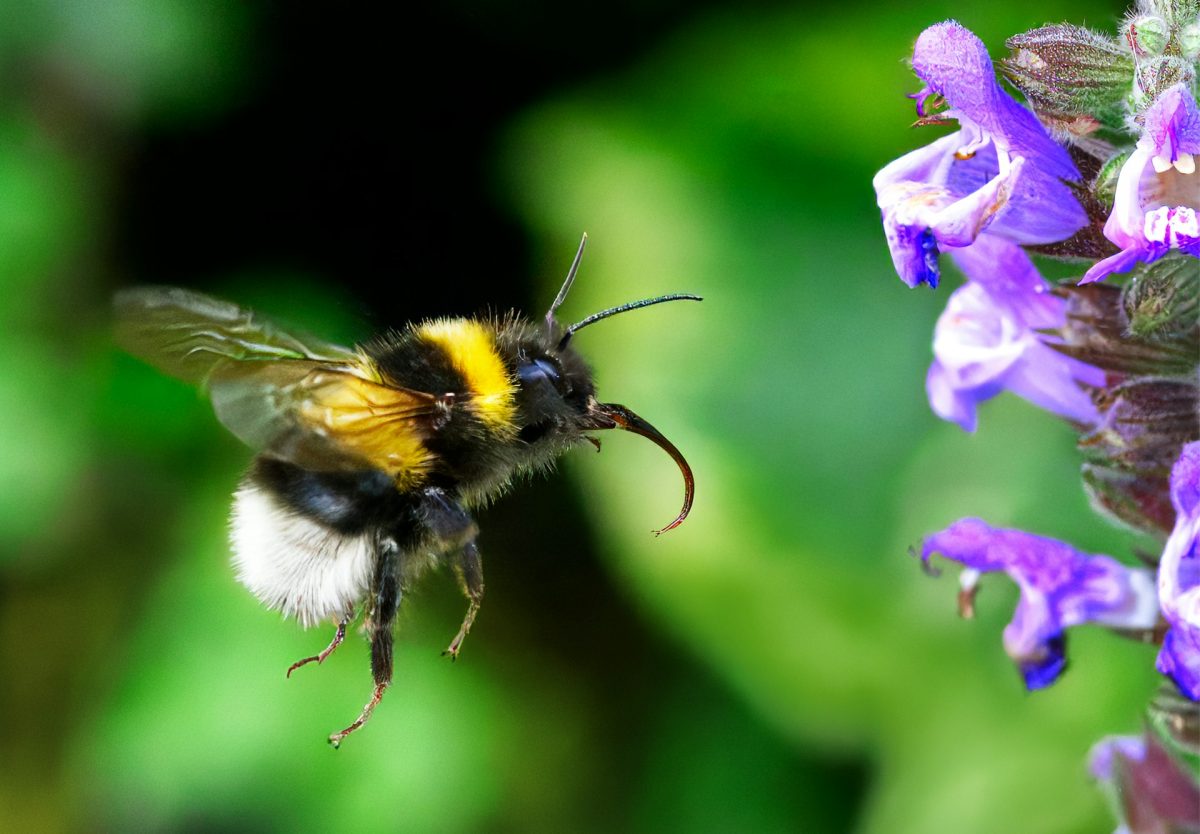
A yard without pollinators feels like a party with no music. No hum, no flutter, no life dancing between petals. Bees and butterflies don’t just decorate outdoor spaces; they power entire ecosystems, carrying pollen from plant to plant and keeping food systems alive. Without them, gardens stall, fruits shrink, and biodiversity slips away faster than most people realize. That sounds dramatic, but it stays rooted in fact, and it makes one thing very clear: pollinators need support, and they need it now.
Big budgets and sprawling landscapes don’t hold a monopoly on helping pollinators thrive. Small, thoughtful choices can transform even a modest space into a lively refuge buzzing with activity. Balcony planters, tiny yards, or even a sunny windowsill can attract bees and butterflies with the right approach. Color, scent, and smart plant choices do most of the heavy lifting, and they don’t demand a fortune to pull off.
Start with Native Plants That Actually Pull Their Weight
Native plants don’t just survive in local conditions; they thrive, and pollinators recognize them instantly. Bees and butterflies evolved alongside these plants, so they know exactly where to find nectar and pollen without wasting energy. That means planting native species gives pollinators a reliable food source from day one. Garden centers often carry native plant sections, and local conservation groups frequently host plant sales with budget-friendly options. Seeds cost even less, and they stretch a long way when planted thoughtfully across a space. Choosing a mix of early, mid, and late-season bloomers ensures something always flowers, which keeps pollinators coming back instead of moving on.
Color plays a huge role in attracting pollinators, and native plants deliver bold, inviting shades without needing constant care. Bright purples, yellows, blues, and whites tend to draw bees, while butterflies lean toward reds, oranges, and pinks. Clustering plants in groups instead of scattering them randomly makes it easier for pollinators to spot them from a distance. That strategy also boosts efficiency, allowing insects to gather food without flying all over the place. Perennials offer long-term value since they return year after year, saving money and effort over time. A well-planned native garden quickly becomes a low-cost, high-impact habitat that looks stunning and supports real ecological health.
Skip the Chemicals and Let Nature Do Its Thing
Chemical pesticides might promise quick fixes, but they create bigger problems for pollinators. Many common products harm bees directly or contaminate the nectar and pollen they rely on. Even small amounts can weaken their navigation systems, making it harder for them to find food and return to their nests. A pollinator-friendly space needs a chemical-free approach that supports natural balance instead of fighting it. That doesn’t mean accepting a bug takeover; it means working smarter with nature instead of against it.
Companion planting offers a simple, effective way to manage pests without harsh chemicals. Certain plants naturally repel unwanted insects while attracting beneficial ones that keep populations in check. Ladybugs, lacewings, and other helpful insects thrive in pollinator-friendly gardens and act as a built-in pest control system. Hand-picking pests or using gentle solutions like soapy water can handle small outbreaks without causing widespread harm. Healthy soil also strengthens plants, making them more resistant to disease and less appealing to pests. A thriving, chemical-free habitat doesn’t just protect pollinators; it creates a balanced environment where everything works together instead of falling apart.
Build a Buzz-Worthy Water Station on a Budget
Pollinators need water just as much as nectar, but they can’t use deep birdbaths or fast-moving fountains safely. Bees and butterflies prefer shallow, calm water sources where they can land without risk. A simple dish filled with water and a few stones or marbles creates the perfect landing zone. This setup costs almost nothing and takes minutes to assemble, yet it delivers a huge benefit. Placing the water station near flowering plants helps pollinators find it easily during feeding trips.
Keeping the water fresh matters just as much as providing it in the first place. Stagnant water can attract unwanted insects or grow bacteria, so regular refilling keeps everything clean and inviting. Shallow puddles in the garden can also serve as natural water sources, especially for butterflies that enjoy sipping from damp soil. Adding a bit of sand to a dish creates a “puddling station,” which butterflies use to gather minerals they can’t get from nectar alone. These small details turn an ordinary garden into a fully functional habitat that meets more than just basic feeding needs. A reliable water source encourages pollinators to stick around instead of treating the space like a quick stop.
Go Wild with Shelter Spaces That Cost Almost Nothing
Food and water draw pollinators in, but shelter convinces them to stay. Bees need safe places to nest, and butterflies need protected spots to rest and lay eggs. Leaving parts of a yard a little messy might sound counterintuitive, but it plays a huge role in creating a welcoming habitat. Piles of twigs, patches of bare soil, and undisturbed corners offer perfect nesting opportunities for many native bee species. These natural features cost nothing and require almost no effort to maintain.
Simple DIY additions can take things even further without draining a budget. Hollow stems, bundled sticks, or small wooden bee houses provide nesting spaces for solitary bees. Positioning these shelters in sunny, sheltered spots increases their effectiveness and keeps them dry. Avoid over-cleaning the garden in fall, since many pollinators overwinter in plant debris and leaf litter. Cutting everything back too early removes critical shelter and disrupts life cycles. A slightly wild garden doesn’t look neglected; it looks alive, layered, and full of purpose, especially when pollinators move in and make themselves at home.
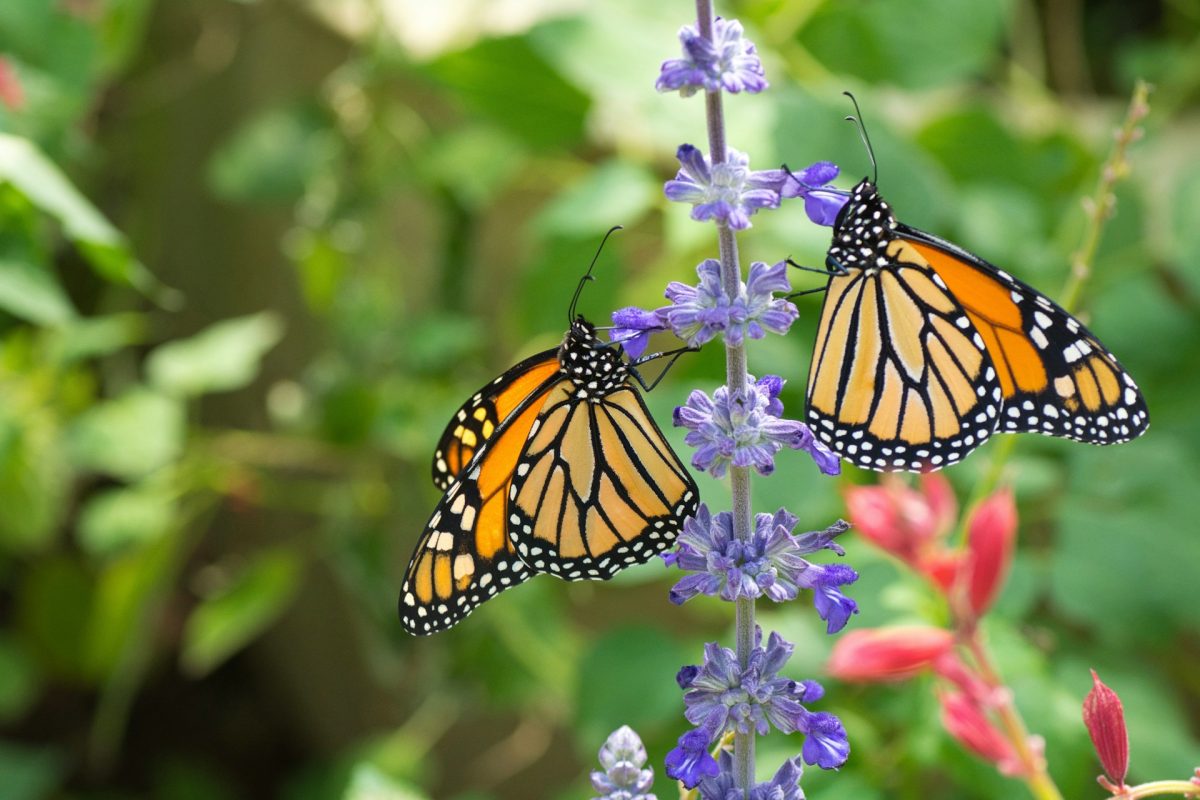
Think Small Spaces Can’t Help? Think Again
A sprawling yard might look impressive, but even the tiniest space can support pollinators with the right setup. Balcony gardens, window boxes, and container plants can attract bees and butterflies just as effectively as larger landscapes. The key lies in choosing the right plants and arranging them in a way that maximizes visibility and accessibility. Compact varieties of pollinator-friendly plants thrive in pots and adapt well to limited space. Herbs like lavender, thyme, and mint double as pollinator magnets while adding flavor to everyday cooking.
Vertical gardening opens even more possibilities for small areas. Hanging planters, wall-mounted pots, and tiered plant stands create layers of blooms that catch a pollinator’s eye from different angles. Consistent watering and good sunlight keep these mini habitats thriving, even in urban environments. Mixing plant heights and bloom types adds visual interest while supporting a wider range of pollinators. Small spaces don’t limit impact; they just demand smarter design. With a little creativity, even a single balcony can buzz with life and color.
Turn Everyday Choices Into Pollinator Power Moves
Creating a pollinator habitat doesn’t require a dramatic overhaul; it thrives on consistent, thoughtful choices. Swapping out a patch of lawn for flowering plants can make a noticeable difference without adding much cost or effort. Choosing untreated wood and natural materials for garden projects avoids introducing harmful substances into the environment. Even timing matters, since planting flowers that bloom in different seasons ensures a steady food supply throughout the year. These small decisions stack up quickly and create a space that supports pollinators in meaningful ways.
Sharing plants, seeds, or cuttings with neighbors can expand pollinator-friendly spaces across entire communities. When multiple gardens support bees and butterflies, they create connected habitats that allow pollinators to move safely and efficiently. That sense of shared effort adds energy and purpose to the process, turning individual gardens into part of something bigger. Pollinator habitats don’t just benefit insects; they boost fruit production, improve biodiversity, and bring more life into everyday surroundings. A few intentional changes can ripple outward and create lasting impact far beyond a single yard.
The Buzz Stops Here—Or Does It?
Pollinator habitats don’t demand perfection, and they don’t require massive investments to succeed. They thrive on intention, creativity, and a willingness to let nature take the lead. A handful of native plants, a simple water dish, and a few undisturbed corners can transform an ordinary space into something vibrant and full of life. Bees and butterflies respond quickly when they find what they need, and their presence adds movement, color, and energy that no store-bought decoration can match. Every small step builds toward a healthier, more balanced environment that supports both wildlife and plant life in powerful ways.
What kind of pollinator-friendly ideas could take shape in a space right now, and what strategies have already worked well? Share thoughts, ideas, or even a few unexpected wins in the comments and keep the conversation buzzing.
You May Also Like…
How to Attract More Bees Even If You Only Have a Small Yard
March Bugs That Target Tender New Leaves
9 Backyard Bugs That Can Damage Plants Before Summer
Why Stink Bugs Are Suddenly Invading Homes in North Carolina
6 Low-Cost Plants That Thrive for Beginner Gardeners on a Budget

Brandon Marcus is a staff writer for FrugalGardening.com at District Media, Inc., where he delivers practical gardening advice with a relatable, no-nonsense style. An avid amateur gardener, he holds a BA degree and with over ten years of professional writing experience, he is also an award-winning published author whose first book, Questions For Deep Thinkers, was released by Adams Media. His work has appeared in major publications including Fandom.com, CHUD.com, TheColdWire.com, and Fansided.com.
Leave a Reply