
A striking, polka-dotted insect has landed in North Carolina, and it carries a reputation that makes seasoned growers wince. Gardeners across the state have started spotting clusters of unfamiliar bugs on tree trunks, patio furniture, and even vegetable beds. This surge points to one culprit that agricultural officials have tracked with growing urgency: the spotted lanternfly.
North Carolina confirmed established populations of the spotted lanternfly in recent years, and reports continue to rise in several counties. While this insect does not bite people or spread disease to humans, it can wreak serious havoc on plants and crops. Gardeners who take pride in lush grapevines, thriving fruit trees, and carefully landscaped yards now face a new challenge that demands attention and action.
The Pest Everyone Is Talking About
The spotted lanternfly originally came from Asia and first appeared in the United States in Pennsylvania in 2014. Since then, it has expanded into multiple states, including North Carolina. Officials with the North Carolina Department of Agriculture and Consumer Services have confirmed established populations in parts of the state and continue to monitor its spread.
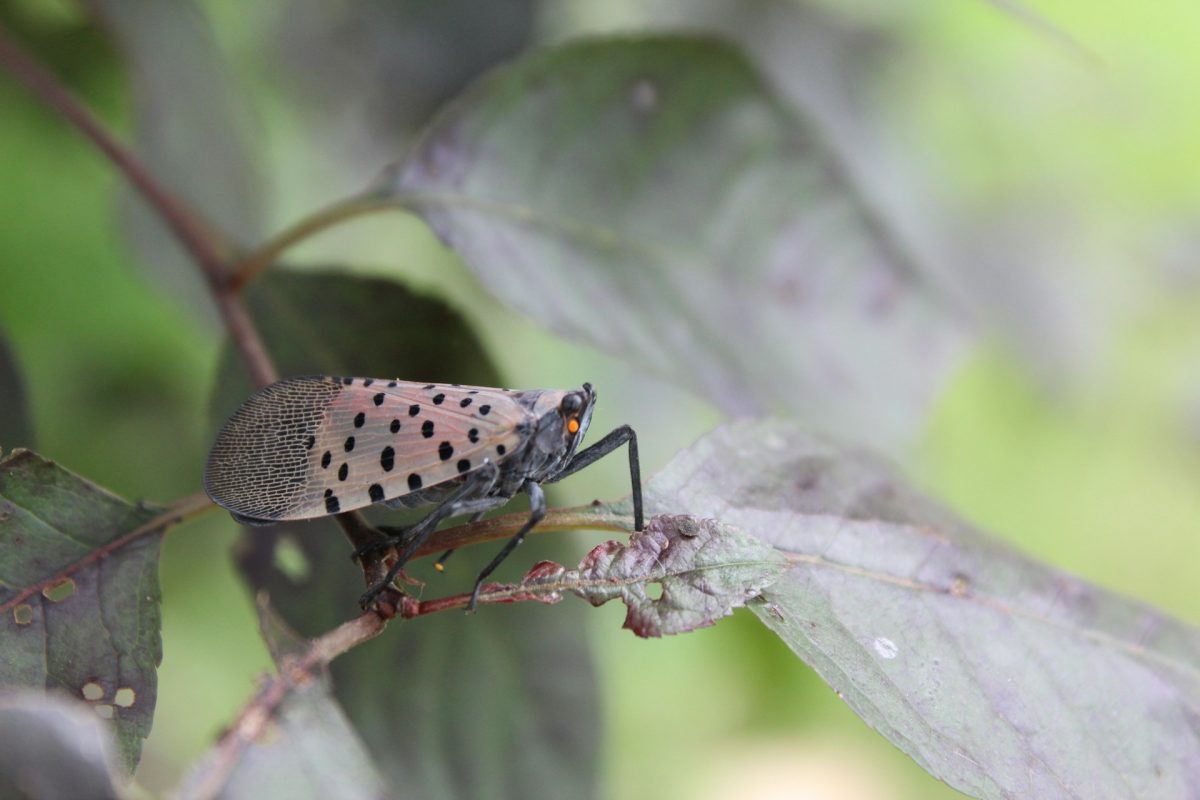
This insect stands out with gray wings speckled in black and vivid red underwings that flash when it jumps or flies. Immature lanternflies, called nymphs, look very different. They start out black with white spots and later develop red patches before maturing into adults. That shifting appearance often confuses gardeners who do not realize they see different life stages of the same destructive species.
Unlike caterpillars that chew leaves or beetles that skeletonize foliage, spotted lanternflies use piercing mouthparts to suck sap from plants. They gather in large groups and feed aggressively, draining energy from trees and vines. Heavy infestations weaken plants, reduce fruit production, and leave behind a sticky residue that creates even more problems.
Why North Carolina Gardens Sit at Risk
North Carolina offers a buffet for spotted lanternflies. The state grows grapes, apples, peaches, and a variety of ornamental trees that the insect readily attacks. Vineyards feel especially vulnerable because lanternflies show a strong preference for grapevines. Backyard gardeners who nurture a few muscadine vines or tend small orchards also face real risk.
The insect feeds on many plant species, including maples, black walnut, birch, and fruit trees. One plant stands out as a favorite host: the tree-of-heaven. This invasive tree grows aggressively along roadsides and vacant lots, and it provides an ideal breeding ground for lanternflies. When gardeners spot tree-of-heaven nearby, they should understand that lanternflies may not sit far away.
Warm summers and a long growing season help this pest thrive. North Carolina’s climate supports rapid development from egg to adult, and that means populations can build quickly if people ignore early warning signs. Gardeners who stay alert now stand a much better chance of limiting damage later.
The Sticky Aftermath: More Than Just Sap Loss
Spotted lanternflies do more than sip plant juices. As they feed, they excrete a sugary substance called honeydew. That sticky coating drips onto leaves, stems, patios, and anything else below the feeding site. Honeydew invites sooty mold, a black fungal growth that covers plant surfaces and blocks sunlight.
Sooty mold does not directly infect plant tissue, but it interferes with photosynthesis. Plants already stressed from sap loss now struggle even more as dark fungal layers coat their leaves. Gardeners often first notice blackened leaves or slick outdoor furniture before they even see the insects themselves.
Large infestations can also attract ants, wasps, and other insects drawn to the sweet residue. That secondary wave of pests creates a frustrating cycle. A single unchecked lanternfly population can transform a peaceful backyard into a sticky, buzzing mess within weeks.
How to Spot Them Before They Multiply
Sharp observation gives gardeners a powerful edge. Adult spotted lanternflies measure about one inch long and tend to hop more than they fly. They gather in clusters on tree trunks, especially in late summer and early fall. When disturbed, they flash their bright red hindwings and leap away.
Egg masses present another clue. Females lay eggs in the fall on tree bark, outdoor furniture, vehicles, and even firewood. These masses look like smears of grayish putty and contain dozens of eggs. Anyone who spots these patches should act quickly because each mass represents a new generation waiting for spring.
Nymphs appear in spring and early summer. Early-stage nymphs look black with white spots, while later stages show red patches along with white spots. Gardeners who learn these visual cues can intervene early and prevent larger outbreaks.
Smart Steps to Protect a Backyard Garden
Gardeners in North Carolina do not need to surrender their landscapes. Several practical steps can limit lanternfly damage. First, remove tree-of-heaven whenever possible. Because this invasive tree attracts lanternflies, eliminating it reduces a major breeding site. Proper identification matters, so gardeners should confirm the tree species before removal.
Next, inspect trees and outdoor surfaces for egg masses during fall and winter. Scraping egg masses into a container filled with rubbing alcohol or hand sanitizer destroys the eggs effectively. This simple task can significantly reduce local populations before spring arrives.
For active infestations, gardeners can use contact insecticides labeled for spotted lanternfly. Products that contain ingredients such as insecticidal soap or certain pyrethroids may help when applied correctly. Always follow label instructions carefully to protect beneficial insects and avoid harming pollinators. In small numbers, gardeners can also squash nymphs and adults, which may sound basic but proves surprisingly effective in localized outbreaks.
Why Reporting Matters
State officials rely on public reports to track the pest’s spread. The North Carolina Cooperative Extension encourages residents to report sightings, especially in counties where populations have not yet become established. Accurate reporting helps agricultural experts respond quickly and guide communities with updated recommendations.
Spotted lanternflies threaten more than backyard gardens. North Carolina’s grape and fruit industries contribute significantly to the state’s economy. A widespread infestation could impact vineyards and orchards that support local jobs and tourism. Gardeners who take a few minutes to report sightings play a role in protecting an entire agricultural sector.
Community awareness also strengthens prevention. When neighbors share information about egg masses or clusters of nymphs, entire blocks can coordinate removal efforts. That collective approach makes a measurable difference in slowing the pest’s advance.
Real Advice for North Carolina Gardeners
Spotted lanternflies demand attention, but they do not guarantee defeat. Vigilance, early detection, and steady management form a powerful defense. Gardeners who learn the insect’s life cycle and preferred hosts can act with confidence instead of panic.
North Carolina gardeners now face a clear choice: ignore the red-winged invader or take simple, proactive steps that safeguard their plants and their community.
When the next unusual cluster appears on a tree trunk, will it spark frustration, or will it trigger swift action that keeps the garden thriving? If you have some insect-fighting tips, make sure you type them up in our comments.
You May Also Like…
Why Stink Bugs Are Suddenly Invading Homes in North Carolina
Why January Is the Best Time to Prevent Garden Insect Infestations
How to Spot Overwintering Insects in Mulch
Why Leaf Piles Attract Beneficial Insects
What Gardeners in the Carolinas Must Do Before February to Save Their Spring Gardens

Brandon Marcus is a staff writer for FrugalGardening.com at District Media, Inc., where he delivers practical gardening advice with a relatable, no-nonsense style. An avid amateur gardener, he holds a BA degree and with over ten years of professional writing experience, he is also an award-winning published author whose first book, Questions For Deep Thinkers, was released by Adams Media. His work has appeared in major publications including Fandom.com, CHUD.com, TheColdWire.com, and Fansided.com.
Leave a Reply