Gardening doesn’t have to drain your wallet or fill your shed with gadgets that collect dust. In fact, some of the most effective gardening tools aren’t even sold in stores. Imagine walking into your kitchen, bathroom, or garage and spotting a simple item that can do the job of a pricey garden implement.
Gardeners around the world are discovering that ingenuity often beats expense, and these everyday items are stepping in as champions for planting, pruning, and maintaining beautiful green spaces. From clever ways to aerate soil to surprising substitutes for watering systems, ordinary objects are turning into garden game-changers.
1. Rolling Up Greenery with a Potato Masher
A potato masher may never have crossed your mind as a garden tool, but it excels at breaking up compacted soil and mixing in compost. Its thick, sturdy wires dig into soil with more control than a traditional hoe, creating an aerated environment that roots love.
Push it gently into flower beds, vegetable patches, or container gardens, and watch it loosen soil clumps effortlessly. Its flat base makes it easier to manage shallow beds, and it’s especially useful for raised planters where you don’t want to risk over-disturbing roots. Using a potato masher also reduces strain on your wrists compared to handheld trowels when dealing with dense soil.
2. Fork It: Kitchen Forks Double as Weeding Warriors
A common kitchen fork transforms into a precision weeding instrument when prongs replace the digging edge of expensive hand tools. Slide the fork under stubborn weeds and lift them without disturbing nearby plants. The curved prongs also help break apart soil around perennials and bulbs, letting roots breathe while loosening compacted patches.
A sturdy stainless-steel fork provides excellent leverage, and unlike fancy weed pullers, it fits perfectly into tight spaces. Gardeners have started keeping a dedicated “fork” for the garden, ensuring it never mingles with kitchen use.
3. Soda Bottles as Mini Greenhouses
Clear plastic soda bottles make surprisingly effective mini greenhouses, nurturing seedlings through cold snaps and late frosts. Cut the bottom off a bottle, and use the top as a cloche over young plants to trap warmth and moisture. The transparency allows sunlight to reach leaves while reducing water evaporation, keeping delicate plants hydrated without constant attention.
This method also shields seedlings from pests, creating a controlled microclimate that encourages fast, healthy growth. It’s an inexpensive alternative to store-bought plant covers, and bottles are often abundant at home.
4. Ice Cube Trays for Seed Starting
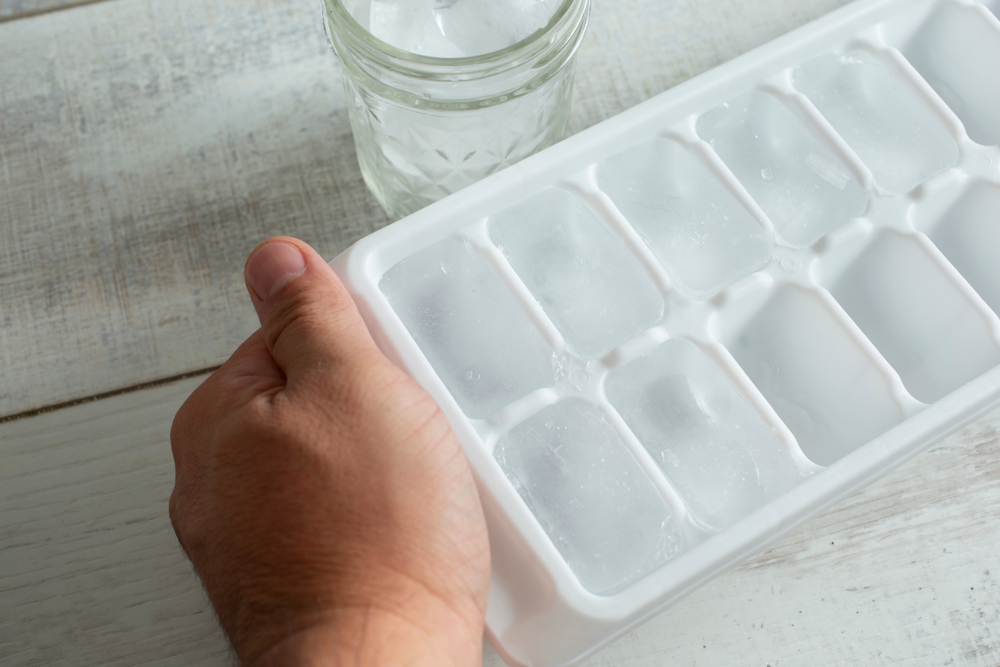
Seed starting doesn’t need fancy trays or kits; ordinary ice cube trays do the trick beautifully. Fill each compartment with potting mix, plant seeds, and water carefully. The individual sections prevent roots from tangling and make it simple to transplant seedlings into larger pots or garden beds.
This method is especially useful for gardeners with limited space or who want to grow multiple varieties of herbs and vegetables at once. Ice cube trays allow precise watering and create manageable, miniature nursery plots indoors before the outdoor planting season begins.
5. Old T-Shirts: Garden Twine on Steroids
Soft, worn-out t-shirts can replace garden twine for supporting plants, tying up vines, or creating temporary plant cages. Cut the fabric into strips, knot around stems, and adjust as plants grow. Unlike thin synthetic twine, fabric strips reduce the risk of cutting into stems, giving delicate branches room to expand without damage.
Old t-shirts are machine-washable and reusable, adding sustainability to the garden while keeping expenses low. This flexible approach works for tomatoes, cucumbers, climbing beans, and even flowers like clematis.
6. Baking Soda for Pest Control
Baking soda isn’t just for the kitchen; it’s a gentle, inexpensive way to manage common garden pests. A light dusting around the base of plants deters slugs and ants without harming soil health. It also helps combat fungal issues on leaves, acting as a mild antifungal agent when dissolved and sprayed carefully.
Home gardeners who prefer chemical-free approaches swear by this trick, as it requires no specialized equipment and can be applied with anything from a teaspoon to a small spray bottle. The key is regular application and targeting areas most vulnerable to infestations.
7. Spoonfuls of Power: Using Spoons for Planting
A simple spoon provides precision when planting seeds or bulbs, especially in tight rows or containers. Scoop soil carefully, make small holes, and cover seeds gently without disrupting neighboring plants. Metal spoons resist bending and give you firm control, while plastic spoons work well for delicate seedlings.
This technique also eliminates the need for specialized dibbers or hand planters, combining efficiency with a surprisingly satisfying tactile experience. For gardeners who like to get close to their plants, a spoon delivers both accuracy and control.
8. Newspaper for Weed Suppression
Old newspapers make excellent, biodegradable mulch that smothers weeds and locks in soil moisture. Lay multiple sheets around plants and cover lightly with soil or compost to keep everything in place. The newspaper decomposes naturally over time, enriching the soil while reducing the need for plastic or chemical alternatives.
It’s particularly effective in vegetable beds, garden paths, and around shrubs where weed growth is persistent. Newspapers also regulate soil temperature, shielding roots from harsh sunlight and making gardening less labor-intensive.
9. Ice Cube Trays for Fertilizer Portions
Beyond seedlings, ice cube trays double as precise portions for homemade liquid fertilizers. Mix compost tea or diluted plant food and pour into trays, freezing small cubes for gradual feeding. Drop cubes at the base of individual plants to avoid over-fertilization and ensure consistent growth.
This approach keeps nutrients controlled, reduces waste, and makes it easy to administer fertilizer in small doses over time. It’s a clever use of a household item that otherwise just chills your drinks.
10. Colanders as Rainwater Filters
Collecting rainwater in a bucket or barrel is eco-friendly, but filtering debris can be a hassle. A kitchen colander placed on top of a container acts as a simple filter, keeping leaves and twigs out of stored water. Its perforated design allows water to pass freely while preventing clogs and reducing maintenance.
This trick gives gardeners a clean water supply for irrigation without investing in expensive filtration systems. The colander can be rinsed and reused repeatedly, making it a sustainable, multi-functional solution for water-conscious gardeners.
Everyday Ingenuity Outperforms Price Tags
The truth is that creativity often outweighs cost when it comes to gardening. Potato mashers, spoons, soda bottles, and old t-shirts offer solutions that are inexpensive, sustainable, and surprisingly effective. Each item encourages closer interaction with plants, turning ordinary chores into playful experiments. By thinking beyond the garden center shelves, it becomes possible to maintain a thriving, healthy garden without blowing the budget.
What’s the most surprising household item you’ve repurposed in your garden? Share your inventive hacks in the comments below.
You May Also Like…
9 Garden Tools You Should Oil Now or Replace by Spring
5 Weirdly Useful Garden Tools You’ll End Up Using Every Day
9 Steps to Protect Your Garden Furniture & Tools for Winter
9 Cheap Gardening Tools to Transform Your Garden on a Budget
DIY Hacks: Transform Everyday Items into Cheap Gardening Tools

Brandon Marcus is a staff writer for FrugalGardening.com at District Media, Inc., where he delivers practical gardening advice with a relatable, no-nonsense style. An avid amateur gardener, he holds a BA degree and with over ten years of professional writing experience, he is also an award-winning published author whose first book, Questions For Deep Thinkers, was released by Adams Media. His work has appeared in major publications including Fandom.com, CHUD.com, TheColdWire.com, and Fansided.com.
Leave a Reply