Some gardens blaze in full sun, but the real magic often unfolds in the shadows. When bright light refuses to cooperate, you can either fight it or embrace it. Believe it or not, shade holds enormous potential if you choose the right plants.
Deep greens look richer there, textures stand out, and subtle blooms feel almost luxurious. Once you understand which plants actually crave low light, you stop seeing shade as a limitation and start treating it like a design advantage.
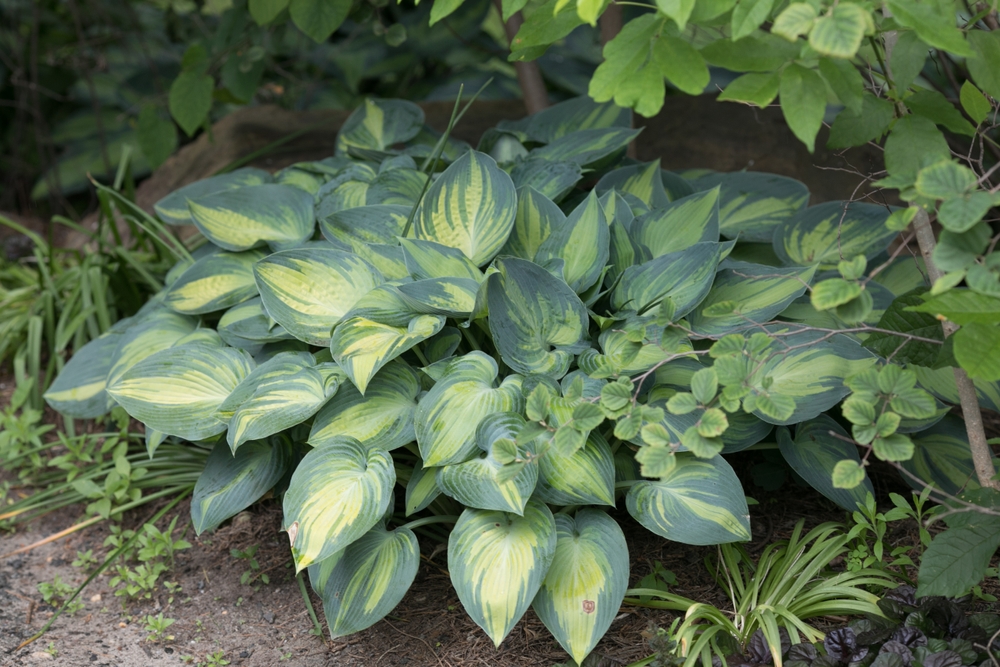
1. Hosta: The Queen of Cool Corners
Few plants command attention in the shade like hostas. These leafy powerhouses thrive in partial to full shade and reward gardeners with dramatic foliage that ranges from deep emerald to silvery blue and even creamy variegation. While many people focus on flowers, hostas prove that leaves alone can carry an entire garden bed with style and confidence.
Hostas prefer moist, well-drained soil and consistent watering, especially during hot spells. Slugs love them, so always keep an eye out and use barriers or organic controls early in the season. In return, hostas expand steadily year after year, creating a lush, layered look that softens hard edges and fills empty spaces beautifully. If you want a dependable anchor for a shaded border, hostas rarely disappoint.
2. Ferns: Ancient Elegance That Never Tries Too Hard
Ferns bring texture that few other plants can match. Varieties like the Japanese painted fern and the classic lady fern thrive in filtered light and woodland conditions. Their feathery fronds arch gracefully, creating movement and depth in spaces that might otherwise look flat or dull.
Most ferns appreciate rich, organic soil and steady moisture, especially during dry periods. Ferns do not demand constant attention, but they reward thoughtful placement. If you want a garden that feels layered and intentional, ferns deliver that quiet sophistication.
3. Astilbe: Feathery Plumes That Glow in the Gloom
Astilbe refuses to sulk in the shade. Instead, it throws up soft, plume-like flowers in shades of pink, red, lavender, and white that light up darker beds. Those blooms rise above fern-like foliage and add height without overwhelming nearby plants.
Astilbe thrives in partial shade and consistently moist soil. Dry conditions stunt its growth and reduce flowering, so mulch helps keep roots cool and hydrated. If you crave color but lack sun, astilbe gives you a vibrant answer.
4. Heuchera: Foliage That Refuses to Blend In
Heuchera, also known as coral bells, brings bold leaf color to shady gardens. Cultivars display shades of burgundy, caramel, lime green, and near-black, and those colors hold strong even without direct sun. Small flower spikes appear in late spring to early summer, but the foliage steals the show all season.
Heuchera grows best in partial shade with well-drained soil. Too much water can lead to root issues, so drainage matters here more than constant moisture. Try to tuck heuchera along pathways or in containers where its color can pop against stone or wood. When you want drama without demanding blooms, heuchera answers the call.
5. Bleeding Heart: Romance in the Shadows
The old-fashioned bleeding heart, Dicentra spectabilis, produces arching stems lined with heart-shaped pink and white flowers in spring. Those delicate blooms look almost too perfect, yet the plant handles cool, shady spots with impressive resilience.
Bleeding heart prefers partial to full shade and rich, well-drained soil. It often goes dormant in summer heat, especially in warmer regions, so pairing it with later-emerging plants helps maintain visual interest. Bleeding heart works beautifully near seating areas where its intricate flowers invite a closer look. Few shade plants feel as charming and nostalgic.
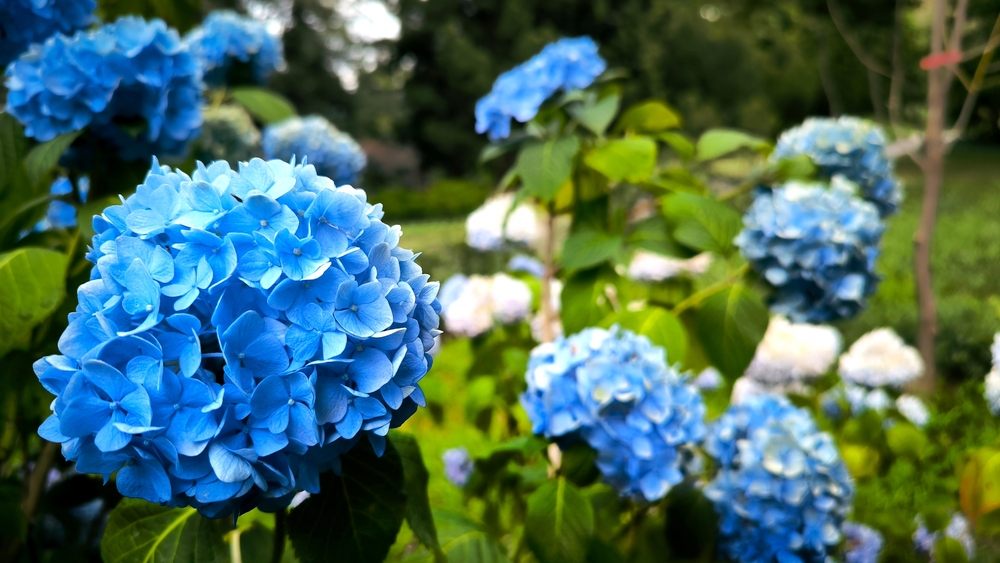
6. Hydrangea: Big Blooms Without Blazing Sun
Not all hydrangeas demand full sun. Varieties like Hydrangea macrophylla and Hydrangea arborescens perform well in partial shade, especially where they receive morning light and afternoon protection. Their large, showy blooms create instant impact and draw the eye even in dimmer corners.
Hydrangeas prefer consistently moist soil and benefit from mulch to retain water. Soil pH influences flower color in some types, particularly Hydrangea macrophylla, which can shift between blue and pink depending on acidity. Experts recommend checking the specific variety’s needs, because pruning times vary. If you want bold flowers in a shaded yard, hydrangeas bring scale and presence.
7. Hellebores: Winter’s Quiet Showstopper
Hellebores bloom when most of the garden still sleeps. Often called Lenten roses, these perennials produce nodding flowers in late winter to early spring, sometimes pushing through lingering frost. Their evergreen foliage adds structure long after the blooms fade.
Hellebores thrive in partial to full shade and well-drained soil rich in organic matter. Once established, they tolerate dry spells better than many shade plants. If you want early color and dependable greenery, hellebores offer both.
8. Caladium: Tropical Flair Without Direct Sun
Caladium leaves look painted by hand. Heart-shaped foliage displays combinations of white, pink, red, and green, and those colors glow in shaded beds or containers. Caladiums prefer warm temperatures and indirect light, making them ideal for summer displays.
These plants grow from tubers and require well-drained soil and consistent moisture during the growing season. In cooler climates, gardeners often lift and store the tubers before frost. Use caladiums in pots near entryways or patios where their vivid patterns grab attention.
9. Lungwort: Silver-Splashed Leaves and Spring Charm
Lungwort, or Pulmonaria, offers something special in the shade. Its leaves often feature silver spots or marbling, which reflect light and brighten darker areas. In early spring, it produces clusters of small flowers that can shift from pink to blue as they mature.
Lungwort prefers partial to full shade and moist, well-drained soil. Good air circulation helps prevent mildew, so spacing matters. Gardeners suggest using lungwort as a ground-level accent beneath taller shade plants. Its patterned foliage keeps the garden interesting even after flowering ends.
10. Toad Lily: Unexpected Beauty in Late Season
Toad lilies bloom in late summer to fall, just when many shade gardens begin to lose momentum. Their orchid-like flowers display intricate speckles and unique shapes that reward anyone who takes a closer look.
Toad lilies grow best in partial to full shade with rich, moist soil. They appreciate protection from harsh afternoon sun, which can scorch foliage. Try placing them along shaded paths where their unusual blooms surprise visitors.
11. Japanese Forest Grass: Movement in the Shadows
Japanese forest grass, Hakonechloa macra, brings motion and softness to shaded spaces. Its arching blades form cascading mounds that catch even the slightest breeze. Variegated varieties introduce stripes of gold or cream that brighten darker beds.
This ornamental grass prefers partial shade and moist, well-drained soil. It grows more slowly than many sun-loving grasses, but patience pays off. Attempt to pair it with hostas or ferns to create layers of texture. When you want shade to feel dynamic rather than static, Japanese forest grass works wonders.
12. Brunnera: Blue Blooms and Bold Leaves
Brunnera produces small, bright blue flowers in spring that resemble forget-me-nots. After flowering, its large, heart-shaped leaves—often splashed with silver—carry the show through summer. Those leaves reflect light and prevent shaded areas from feeling heavy.
Brunnera thrives in partial to full shade and moist, well-drained soil. It tolerates cooler conditions and suits woodland-style gardens beautifully. Experts suggest planting brunnera where you can enjoy both its spring flowers and its decorative foliage up close. Few plants balance delicate blooms and strong leaves so gracefully.
Where Shade Turns Into Opportunity
Shade does not signal defeat; it opens the door to a different kind of garden entirely. When you choose plants that genuinely prefer low light, you eliminate constant struggle and create spaces that look intentional and lush. Texture, foliage color, and layered heights matter even more in these areas, so mix bold leaves with fine fronds and early blooms with late-season surprises.
Start by observing how much light your space actually receives, then match plants to those conditions rather than forcing sun lovers into the dark. Add compost to improve soil, water consistently during establishment, and group plants with similar moisture needs together. With a thoughtful plan, shaded corners can rival any sunny border for beauty and personality.
Which of these shade-loving plants would you add to your garden first? Make sure you share your thoughts in the comments.
You May Also Like…
Which Plants Thrive in Shade and Ice but Hate Sun?
The Hidden Benefits of Bare Branches — How Sunlight Changes Your Garden Layout
10 Ornamental Plants That Glow in Fall Sunlight
You’ll Never Be Able To Get Rid Of These 5 Plants Once They’re In The Ground
These 5 Kitchen Items Are Secretly Contaminating Your Garden Soil

Brandon Marcus is a staff writer for FrugalGardening.com at District Media, Inc., where he delivers practical gardening advice with a relatable, no-nonsense style. An avid amateur gardener, he holds a BA degree and with over ten years of professional writing experience, he is also an award-winning published author whose first book, Questions For Deep Thinkers, was released by Adams Media. His work has appeared in major publications including Fandom.com, CHUD.com, TheColdWire.com, and Fansided.com.
Leave a Reply