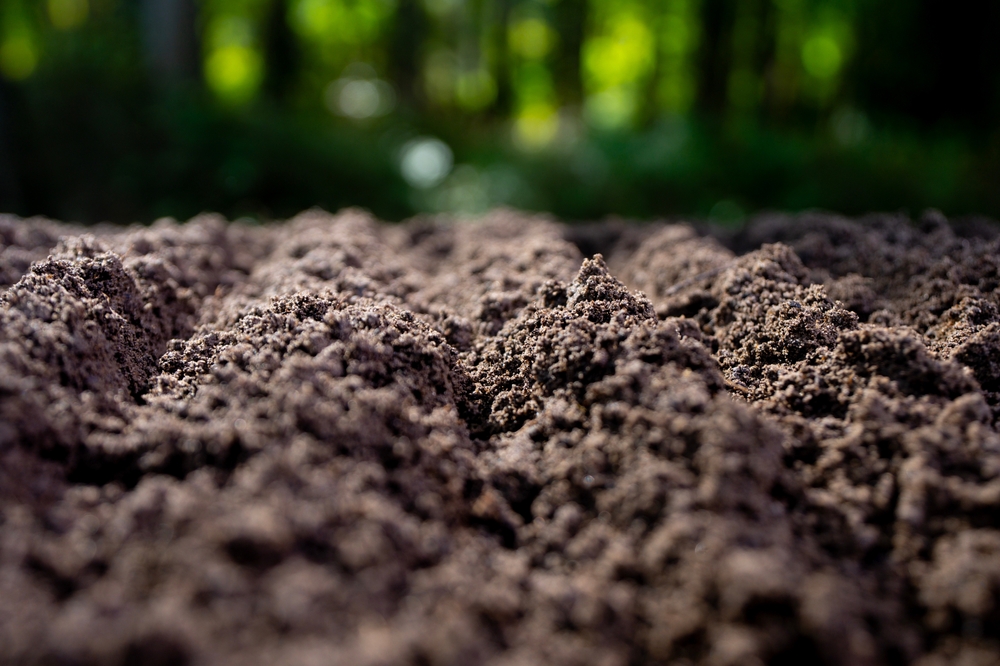
If you love the feel of dirt under your fingernails and envision a backyard brimming with juicy tomatoes and fragrant herbs, this might feel like a punch to the gut — but it’s something every gardener in the Carolinas needs to know. Recent soil testing and scientific studies have shown that lead contamination in soil isn’t just an old urban myth; it’s a real issue with serious health consequences if ignored.
Whether you plant in a community plot, your backyard, or vegetable beds near old houses or roads, knowing what’s in your soil matters far more than you might think. Lead doesn’t disappear on its own, and it doesn’t respect property lines — it sticks around, accumulates, and can even show up in the produce you eat if you aren’t careful.
Why Lead In Soil Is More Common Than You Think
Lead contamination in soil is a legacy of decades of pollution, not a sudden surprise, but it’s only now getting broad attention from gardeners and public health officials alike. Lead was used extensively in gasoline and paint for much of the twentieth century, and residues from those sources can remain in soil for many decades because lead does not break down over time.
In cities like Durham, North Carolina, researchers have found soil lead in parts of public parks and grounds that exceeds safety guidelines, a stark reminder that even places we consider green and safe can carry hidden hazards. Lead contamination and poisoning in soil continue to be a risk to human health, especially for children and pregnant people, because lead exposure affects brain and nervous system development and can lead to lasting neurological effects.
How Lead Can Find Its Way Into Your Garden Bed
If you imagine soil as something static and pristine, think again — it’s constantly moving and mixing with its environment. Soil near busy roads can contain lead deposited from vehicle emissions from decades when leaded gasoline was still common. Older homes that used lead‑based paint can flake and chip, with lead particles ending up in nearby soil as paint deteriorates.
Urban sites that once hosted factories, incinerators, or heavy industry often carry a legacy of contamination that can show up even generations later in community gardens or residential yards. Even flooding or runoff from nearby properties can bring contaminated soil into your garden beds.
The Truth About Lead Uptake In Plants
Here’s where the science gets both reassuring and tricky: lead doesn’t move into plants the way nutrients like potassium or nitrogen do, but that doesn’t mean it’s harmless. Lead tends to stick to the top layer of soil and remains there, which means vegetables that grow near the surface — like leafy greens and herbs — or those with roots that don’t go very deep can still pick up lead particles in tiny amounts.
Eating unwashed produce that has soil splashed onto it can increase your intake of lead — and that’s a major worry for families with kids who might snack straight from the garden. The Centers for Disease Control and Prevention says there’s no known safe level of lead exposure, particularly for children, who absorb lead more readily than adults and who engage in more hand‑to‑mouth behavior that can bring soil particles into their mouths.
What Gardeners Can Do To Test And Manage Soil
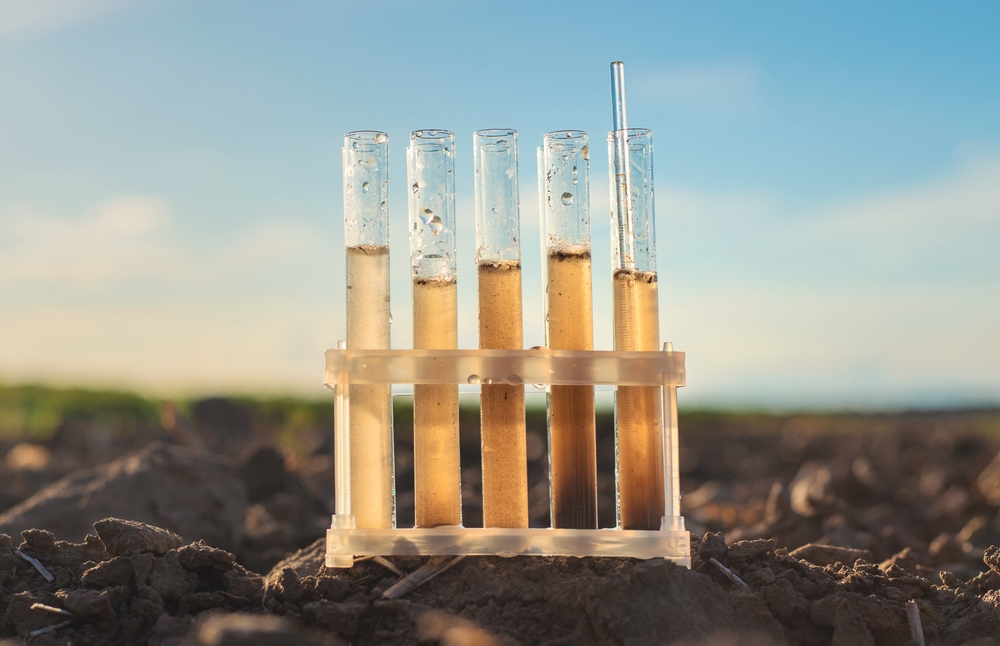
The only way to know for certain whether your garden soil is safe is to test it — and professional soil testing has become more accessible than most people realize. Local county extension offices and agricultural laboratories can analyze soil samples for heavy metals, including lead, often for a relatively low fee. Of course, you can also do it on your own at home.
Take multiple soil cores from different parts of your garden — lead content can vary even within a few feet — and send them off for a thorough analysis to get a clear picture. If lead levels are elevated, the safe response isn’t panic but smart adjustment: building raised beds with clean imported soil, covering existing soil with mulch or grass, and avoiding growing root crops in contaminated areas are proven ways to reduce risk.
Soil Safety Practices That Protect Your Family
Gardening is supposed to nurture your body and soul, not expose you to risks you can’t see with the naked eye. Cover bare soil with grass or mulch to prevent dust from blowing into play areas or onto patios where people gather. Encourage children to play in safe areas — for example, in playsets set well away from garden soil — and always wash hands after outdoor time before meals or snacks.
When growing edible crops, rinse and scrub root vegetables and greens thoroughly to remove soil particles, and consider peeling root crops when soil lead is present. Wear gloves while gardening and change out of outdoor shoes before entering your home so that soil doesn’t come inside.
What This Means For Gardeners In The Carolinas
The Carolinas have rich gardening traditions, vibrant community plots, and soils that can produce spectacular harvests when managed well — but soil safety has to be part of the conversation. Lead contamination may feel like a buzzkill, but understanding where it comes from and how to manage it protects your family’s health and keeps your gardening dreams alive.
Before you dig your next bed or plant another seed, do you know what’s really in your soil and how you’ll protect your family from what might be hiding beneath the surface?
You May Also Like…
Is Buying Soil in Bulk Always the Cheaper Option?
Why Skipping Crop Rotation Leads to Bigger Pest Problems
8 Low-Cost Ways to Improve Garden Soil Structure
Gardeners Are Switching to Fewer Varieties to Cut Costs
What Gardeners in the Carolinas Must Do Before February to Save Their Spring Gardens

Brandon Marcus is a staff writer for FrugalGardening.com at District Media, Inc., where he delivers practical gardening advice with a relatable, no-nonsense style. An avid amateur gardener, he holds a BA degree and with over ten years of professional writing experience, he is also an award-winning published author whose first book, Questions For Deep Thinkers, was released by Adams Media. His work has appeared in major publications including Fandom.com, CHUD.com, TheColdWire.com, and Fansided.com.
Leave a Reply